BLOG
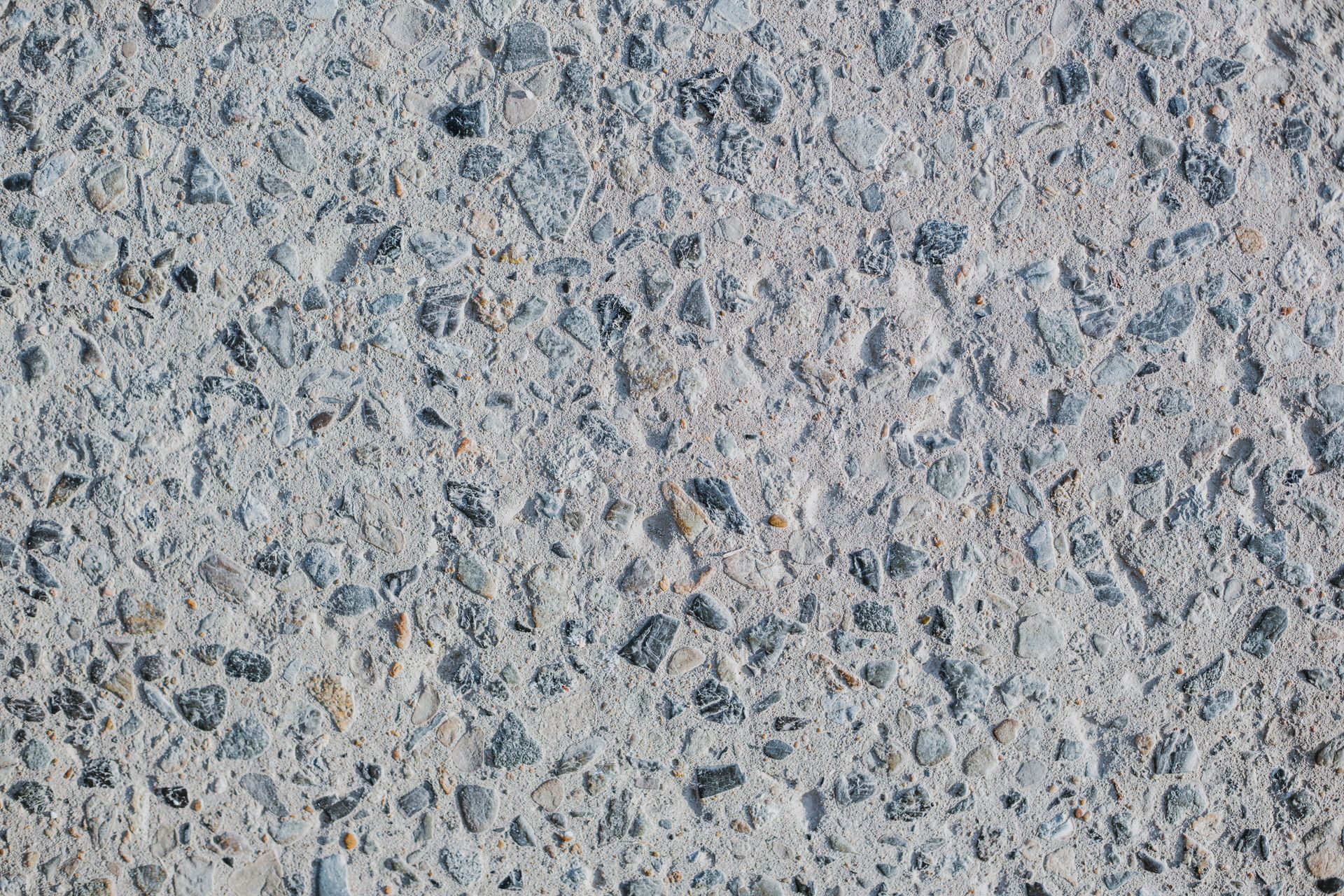
Plain gray concrete does its job, but it rarely turns heads. Exposed aggregate changes that. By revealing the natural stones, pebbles, and sand hidden inside the mix, this finish gives you a surface that's tough, textured, and genuinely beautiful—the kind of driveway or patio neighbors ask about. At Liberty Concrete, we help homeowners and property owners understand their options before they pour a single yard. In this guide, you'll learn what exposed aggregate concrete is, how it's made, the benefits that set it apart, where it works best, and the mistakes worth avoiding. By the end, you'll know whether it's the right choice for your project—and how to get it done right. Here's what we'll cover: What exposed aggregate concrete is and how it's made The key benefits, from slip resistance to lasting durability Popular applications, design options, and maintenance tips What Is Exposed Aggregate Concrete? Exposed aggregate concrete is a decorative finish that shows off the stones and pebbles within the concrete mix rather than hiding them under a smooth top layer. Standard concrete is troweled flat, burying its aggregate beneath a coating of cement paste. With exposed aggregate, that top layer is removed while the concrete is still curing. The result reveals the natural texture and color of the stones packed inside—everything from river rock and crushed granite to colored glass and seashells. Think of it as pulling back the curtain on materials that were always there. The strength of the concrete stays intact, but the surface gains a rich, three-dimensional look no plain slab can match. Practical tip: The aggregate you choose defines the entire appearance. Ask to see samples in person, since photos rarely capture the true color and depth of the stones. How Exposed Aggregate Concrete Is Made Getting a clean, even finish takes skill and timing. The process follows a clear sequence, and each step matters. Mixing and Pouring First, we prepare a concrete mix with the decorative aggregate blended in or ready to seed onto the surface. The site is formed and prepped just like any concrete project, then the concrete is poured and leveled. Placing the Aggregate There are two main approaches. In the seeding method , decorative stones are scattered across the fresh surface and pressed in by hand or float. In the integral method , the aggregate is mixed throughout the batch before pouring. Each method suits different looks and budgets. Exposing the Surface Here's where the magic happens. Before the concrete fully hardens, the thin top layer of cement paste is washed and brushed away, uncovering the stones beneath. Timing is everything—too early and the stones dislodge, too late and the paste won't budge. Sealing and Finishing Once the surface is clean and cured, we apply a sealer. This locks in the color, protects against stains, and gives the finish a subtle sheen that makes the aggregate pop. Practical tip: This is not a project for guesswork. The window for exposing the surface is short, and rushing it ruins the finish. Experienced installation is what separates a stunning result from a patchy one. Key Benefits of Exposed Aggregate Concrete Exposed aggregate isn't just about looks—though it delivers there too. It solves real problems that homeowners care about. Slip Resistance The textured surface provides natural grip underfoot. Unlike smooth, polished concrete that turns slick when wet, exposed aggregate gives traction even in rain or around water. That makes it a smart, safety-minded choice for pool decks, walkways, and sloped driveways. Outstanding Durability This surface is built to endure. It stands up to heavy foot traffic, vehicle weight, and years of weather without losing its character. Because the tough aggregate sits right at the surface, it resists wear far better than a plain troweled finish. Low Maintenance Exposed aggregate hides dirt, minor cracks, and imperfections that would stand out on smooth concrete. With periodic sealing and simple cleaning, it keeps its appeal for decades with very little effort on your part. Aesthetic Versatility Few surfaces offer this much design freedom. You can match the aggregate to your home's style, landscaping, or existing hardscape, creating a custom look that plain concrete simply can't replicate. Strong Value You get a decorative, high-end appearance without the price tag of natural stone or pavers. For property owners, that combination of beauty and longevity adds real curb appeal and resale value. Practical tip: If safety is a priority—say, around a pool or on a steep drive—exposed aggregate often outperforms stamped or smooth concrete because of its built-in traction. Common Applications Around Your Property Exposed aggregate works almost anywhere you'd pour concrete, and it shines in a few spots in particular. Driveways. The durability handles vehicle weight and daily use, while the texture adds instant curb appeal. It's one of the most popular choices we install. Patios. A textured, decorative surface turns an outdoor living area into a genuine showpiece that stays comfortable underfoot. Pool surrounds. Slip resistance is the star here. The grippy finish keeps footing secure on wet decks, and it stays cooler than many dark, smooth surfaces. Walkways and paths. Exposed aggregate guides the eye and ties your landscape together, all while offering safe, sure footing. Entryways and courtyards. A distinctive front approach makes a strong first impression and sets the tone for the rest of your property. Practical tip: For a cohesive look, carry the same aggregate finish across connected areas—like a driveway that flows into a matching front walkway. Design and Finish Options The choices don't stop at "exposed or not." This finish is highly customizable. Aggregate type. River rock delivers smooth, rounded stones, while crushed granite or limestone offers sharper edges and a more angular feel. Recycled glass and seashells add unique flair for standout projects. Color. Aggregate ranges from warm tans and reds to cool grays, blacks, and whites. You can also tint the surrounding concrete to complement or contrast the stones. Exposure depth. A light exposure barely reveals the tops of the stones for a subtle texture. A deeper exposure showcases more of each stone for a bolder, chunkier look. Aggregate size. Fine pebbles create a smooth, refined finish, while larger stones make a dramatic statement. The scale of your project often guides this choice. Practical tip: Consider your surroundings before choosing. Lighter aggregates stay cooler in direct sun—worth remembering for a pool deck or a patio that bakes all afternoon. Maintenance Tips to Keep It Looking Great One of the quiet advantages of exposed aggregate is how little it asks of you. A simple routine keeps it looking fresh for years. Rinse regularly. A garden hose clears away loose dirt, leaves, and debris before they settle into the texture. Clean gently. For deeper cleaning, use mild soap and water with a stiff broom. Skip harsh chemicals that can damage the sealer. Reseal on schedule. Plan to reseal every two to three years, depending on wear and exposure. Sealing protects the surface, revives the color, and guards against stains. Address spills quickly. Wipe up oil, grease, and other stains promptly to keep them from soaking in. Watch for weeds. In walkways and joints, pull weeds early so roots don't work into the surface over time. Practical tip: Set a reminder to inspect your sealer each year. If water no longer beads on the surface, it's time to reseal. Common Mistakes to Avoid Even a beautiful material can disappoint if the details are mishandled. Keep these pitfalls in mind. Hiring inexperienced installers. The exposure timing is unforgiving. Poor timing leads to loose stones, uneven texture, or a weak surface. This is a job for professionals. Skipping the sealer. An unsealed surface stains easily and fades faster. Sealing is not optional—it's essential protection. Choosing aggregate by photo alone. Colors and textures look different in person and at scale. Always review physical samples before committing. Ignoring drainage. Like any concrete surface, exposed aggregate needs proper slope and drainage so water never pools and undermines the slab. Neglecting long-term care. Skipping resealing shortens the life and dulls the beauty of your investment. A little upkeep goes a long way. Underestimating the mix design. The right ratio of aggregate to concrete affects both strength and appearance. Getting it wrong compromises the whole surface. Frequently Asked Questions Is exposed aggregate concrete more expensive than regular concrete? It typically costs more than a plain finish because of the decorative aggregate and the added labor to expose and seal it. That said, it usually costs less than natural stone or pavers while offering a comparable high-end look and excellent durability. How long does exposed aggregate concrete last? With proper installation and regular sealing, it can last decades. The tough aggregate at the surface resists wear well, making it one of the more durable decorative options available. Is it slippery when wet? No—that's one of its biggest strengths. The textured surface provides natural traction, which is why it's a favorite for pool decks and walkways where safety matters. Can exposed aggregate be added to my existing concrete? Exposed aggregate is created during the pouring process, so it can't simply be applied over an existing slab. However, decorative overlays may be an option in some cases. An on-site assessment tells us what will work for your space. Does it get hot in direct sunlight? Like most outdoor surfaces, it warms in the sun, but lighter-colored aggregates stay noticeably cooler. Choosing a lighter stone is a smart move for pool areas and sun-drenched patios. How often should I reseal it? Every two to three years is a good rule of thumb, though high-traffic or heavily exposed areas may need it sooner. When water stops beading on the surface, it's time to reseal. Choose Exposed Aggregate With a Local Expert You Can Trust Exposed aggregate concrete brings together the best of both worlds: the strength and value of concrete with the beauty and texture of natural stone. It resists slips, stands up to years of use, hides wear gracefully, and lets you design a surface that fits your property perfectly. The key to getting all of that is precise installation and thoughtful design—which is exactly where experience counts. That's the work we do best. Liberty Concrete helps homeowners and property owners understand their options, choose the right aggregate and finish, and get a result built to last. From driveways and patios to pool surrounds and walkways, our team brings the skill and local know-how you need to move forward with confidence. Contact Liberty Concrete today to talk through your project—and let's create an exposed aggregate surface you'll be proud of for years to come. Meta Title: Understanding Exposed Aggregate Concrete | Liberty Concrete Meta Description: Learn what exposed aggregate concrete is, its benefits, applications, and design options. Liberty Concrete helps you choose the right finish with confidence.

Few things transform an outdoor space like the warm glow of a fire. A well-placed fire feature turns an ordinary patio into a gathering spot, a quiet retreat, and the heart of your backyard—all at once. And when that fire is built into durable, beautifully finished concrete? You get a centerpiece that looks incredible and lasts for decades. At Liberty Concrete, we help homeowners discover and choose the right fire add-ons for their concrete surfaces. Concrete is uniquely suited to fire features: it's fire-resistant, endlessly customizable, and tough enough to handle the elements year after year. In this guide, you'll explore the most popular fire options, learn how they elevate your outdoor living space, pick up design and safety tips, and see the mistakes worth avoiding. By the end, you'll know exactly which fire feature fits your yard—and how to bring it to life. Here's what we'll cover: Popular fire feature options for concrete surfaces How fire features enhance outdoor living Design, style, and safety considerations Common mistakes and answers to your questions Popular Fire Feature Options for Concrete Surfaces Fire features come in more shapes and styles than most homeowners expect. Each one brings its own personality, and concrete makes every version stronger and more customizable. Here are the options we're asked about most. Concrete Fire Pits A concrete fire pit is the classic choice—an open, contained space for a real wood or gas fire. Built from poured or cast concrete, it delivers rugged durability and a natural, grounded look that fits almost any backyard. It's perfect for roasting marshmallows, telling stories, and gathering friends on a cool evening. Practical tip: Decide between wood-burning and gas early. Wood offers that crackle and campfire aroma, while gas gives you instant, mess-free flames at the flip of a switch. Fire Tables A fire table combines a functional tabletop with a built-in flame running down the center or along one edge. It's the sophisticated option—ideal for entertaining, since guests can set down drinks and plates while enjoying the warmth. Concrete fire tables feel substantial and modern, anchoring a seating area with real presence. Practical tip: Match the table height to your seating. A lower profile suits lounge chairs, while a taller build works better with dining furniture. Fire Bowls Fire bowls are compact, sculptural, and striking. These rounded vessels hold a contained flame and often work in pairs to frame an entryway, pool deck, or staircase. Cast in concrete, they blend artistic form with serious durability, adding drama without dominating the space. Practical tip: Use fire bowls to create symmetry. Placing a matching pair on either side of a focal point delivers a polished, high-end effect. Fire Pit Surrounds A fire pit surround is the finished concrete border and seating structure built around a fire feature. It ties everything together, offering a place to sit, rest a glass, or simply define the area. A well-crafted surround turns a basic fire pit into a designed outdoor room. Practical tip: Build the surround wide enough to double as casual seating. It saves space and creates a natural circle around the flame. In-Ground Fire Pits Set flush with your patio or landscape, an in-ground fire pit offers a sleek, minimalist look that keeps sightlines open. Because it sits low and integrated, it feels like a seamless part of your surface rather than an add-on. Concrete is the ideal material here, forming a clean, permanent edge that stands up to constant heat. Practical tip: Plan for drainage. An in-ground design needs proper runoff so water doesn't collect in the pit after rain. Concrete Hearths A hearth extends fire from the backyard to a more architectural setting—think an outdoor fireplace base or a raised platform that grounds a vertical fire feature. Concrete hearths bring a warm, timeless quality and pair beautifully with stone, tile, or stucco surrounds for a truly custom look. Practical tip: Consider the hearth as a design anchor. A raised concrete hearth can define an entire outdoor living zone and give the space a finished, intentional feel. How Fire Features Enhance Your Outdoor Living Space A fire feature does far more than provide warmth. It changes how you use your yard—and how much you enjoy it. Extended seasons. With a fire feature, chilly spring and fall evenings become inviting instead of off-limits. You'll spend more time outdoors, more months of the year. A natural gathering point. People are drawn to fire. It pulls family and guests together, creating a focal point that sparks conversation and slows everyone down. Added ambiance. The soft, flickering light instantly warms the mood of any patio. It's the difference between a space you walk past and a space you want to linger in. Real value. A permanent, well-built fire feature is an attractive upgrade that boosts your home's appeal. Buyers notice a thoughtfully designed outdoor living area. Because concrete is so versatile, it lets you build these benefits into a form that matches your exact style and space—no compromises. Design and Style Considerations The right fire feature should feel like it belongs in your yard, not bolted on as an afterthought. A few decisions shape the final result. Shape and geometry. Round designs feel casual and communal, while square or linear shapes lean modern and architectural. Choose the geometry that echoes your home and existing hardscape. Finish and texture. Concrete offers remarkable range. A smooth, polished surface reads sleek and contemporary, while textured or board-formed finishes bring warmth and character. Color. Integral pigments and stains let you match the fire feature to your patio, home exterior, or landscape. A cohesive color palette makes the whole space feel designed. Scale. Size the feature to your space and your gatherings. A grand fire table overwhelms a small courtyard, while a modest bowl gets lost on a sprawling deck. Fuel type. Gas and wood each shape the look and function. Gas lines and burners require planning, so factor them in during the design stage—not after the pour. Practical tip: Bring us photos of your patio and home. Seeing the full setting helps us recommend a fire feature that complements everything around it. Safety Tips for Concrete Fire Features Fire and beauty go hand in hand only when safety comes first. Concrete is naturally fire-resistant, which gives you a strong foundation—but smart planning matters just as much. Respect clearances. Keep fire features a safe distance from your home, fences, overhanging branches, and anything flammable. Give the flames plenty of open space. Choose the right materials. Not every concrete mix handles direct, repeated heat the same way. Proper heat-rated materials and liners prevent cracking and premature wear. Ensure good ventilation. Fire needs airflow. Adequate ventilation keeps flames burning cleanly and safely, especially with gas systems. Plan gas installation professionally. Gas lines and connections should always be installed by qualified professionals. This isn't a place to cut corners. Keep safety tools close. A fire extinguisher, water source, or sand nearby gives you quick control if you ever need it. Never leave a fire unattended. Extinguish flames fully before heading inside, and keep an eye on children and pets around any active fire. Common Mistakes to Avoid A little foresight prevents the missteps that undercut even the best fire feature plans. Skipping heat-rated construction. Standard concrete alone may crack under constant high heat. Proper materials and reinforcement are essential for a feature that lasts. Poor placement. Positioning a fire feature too close to structures, in a windy corner, or in an awkward traffic path spoils both safety and enjoyment. Location deserves careful thought. Ignoring fuel logistics. Deciding on gas after installation means expensive retrofitting. Settle your fuel type before the build begins. Overlooking drainage. In-ground and low-profile features need proper runoff so water doesn't pool and cause problems. DIY on complex builds. Custom concrete work, gas connections, and heat management call for real expertise. Rushed amateur jobs tend to show—and can be unsafe. Forgetting the surroundings. A fire feature should coordinate with your patio, seating, and landscape. Treat it as part of the whole design, not an isolated piece. Frequently Asked Questions Is concrete safe for fire features? Yes. Concrete is naturally fire-resistant, which makes it an excellent choice. The key is using properly heat-rated materials and sound construction so it handles repeated high temperatures without cracking. Should I choose wood-burning or gas? It comes down to preference. Wood delivers a traditional crackle and aroma but needs fuel storage and cleanup. Gas offers instant, controllable flames with far less maintenance. We'll help you weigh both for your lifestyle. Can a fire feature be added to my existing patio? Often, yes. Freestanding options like fire bowls and tables can suit existing surfaces, while in-ground pits and integrated hearths are best planned as part of a larger project. An assessment tells us what your space allows. How much maintenance do concrete fire features need? Not much. Concrete is durable and low-maintenance. Occasional cleaning and periodic sealing keep it looking sharp, and gas systems benefit from routine checks to run safely. Will a fire feature crack over time? Properly built, heat-rated concrete resists cracking well. Using the right mix, reinforcement, and professional installation is what protects your feature for the long haul. Which fire feature is best for a small yard? Compact options like fire bowls or a modest in-ground pit work beautifully in tighter spaces. They add warmth and style without overwhelming the area. Bring Warmth and Style to Your Concrete Surfaces A fire feature is one of the most rewarding upgrades you can make to an outdoor space. Whether it's a rugged fire pit, an elegant fire table, a pair of sculptural fire bowls, a seamless in-ground design, or a timeless concrete hearth, the right choice extends your seasons, gathers your people, and gives your yard a genuine focal point. The secret is matching the feature to your space—and building it correctly so it performs safely for years. That's exactly what we do. Liberty Concrete works with you from first idea to final flame, helping you find the fire add-ons that fit your style and bringing them to life with expert local craftsmanship and heat-rated construction you can trust. Contact Liberty Concrete today to talk through the fire feature you have in mind—and let's create an outdoor space you'll gather around for years to come. Meta Title: Fire Features for Concrete Surfaces | Liberty Concrete Meta Description: Discover great fire add-ons for your concrete surfaces—fire pits, fire tables, bowls, in-ground designs, and hearths. Liberty Concrete can help you choose.
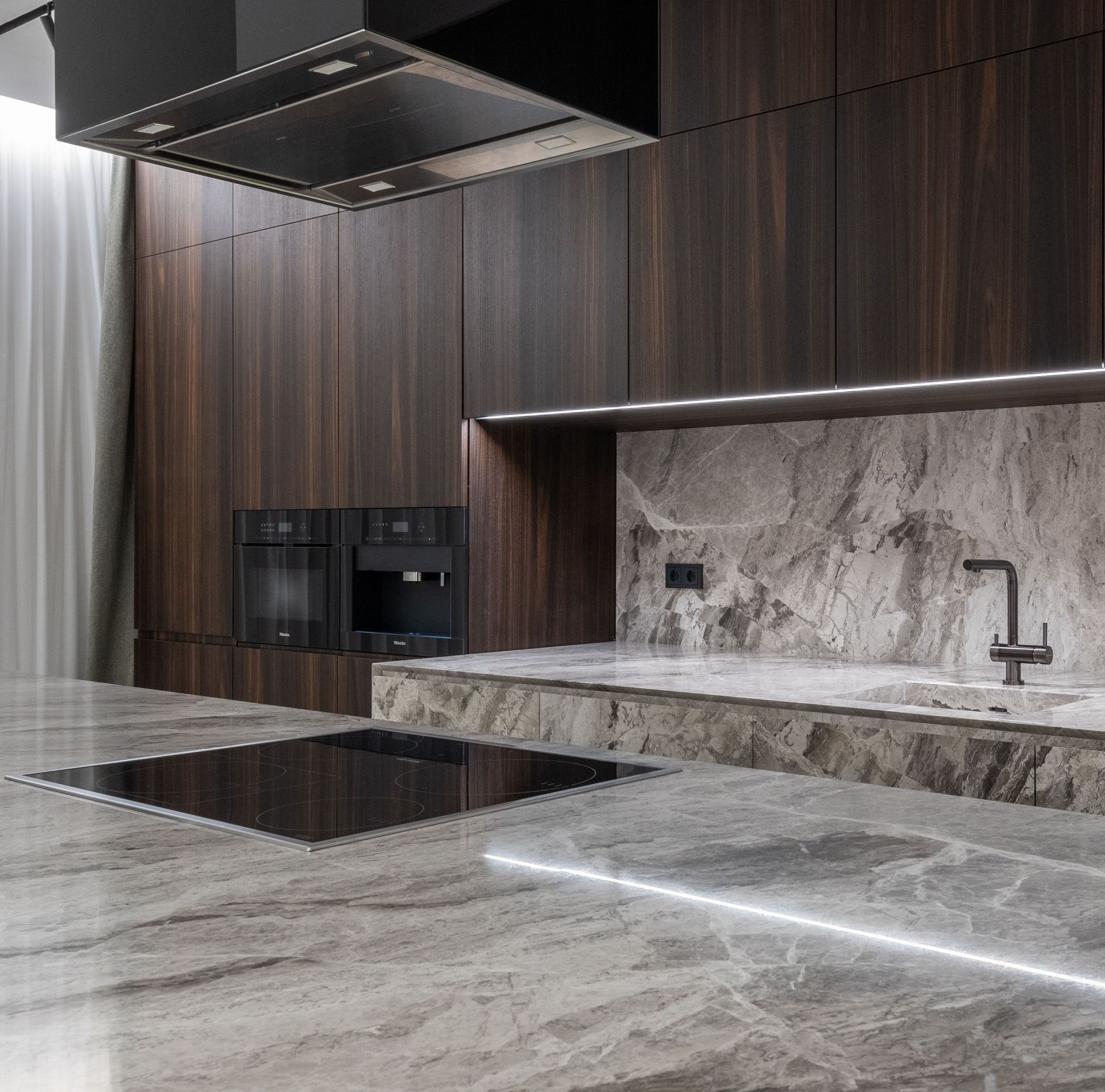
Plain gray concrete is a thing of the past. These days, concrete can shimmer with embedded glass, mimic natural stone, glow with rich color, and even warm your feet on a frosty morning. If your idea of concrete stops at a dull slab, you're in for a pleasant surprise. At Liberty Concrete, we help homeowners turn ordinary concrete into eye-catching features that reflect their style and elevate their space. In this guide, you'll explore the most stunning upgrades available for concrete surfaces—decorative finishes, embedded objects, custom coloring, engraving, epoxy coatings, radiant heating, and custom edges. You'll also pick up practical tips for each, answers to common questions, mistakes to avoid, and a clear next step to make it happen. Here's what we'll cover: Decorative finishes that reinvent the look Embedded objects for a truly custom surface Custom coloring that makes concrete yours Engraving, epoxy, radiant heat, and edge profiles Decorative Finishes That Reinvent the Look The finish sets the mood for your entire surface. These three options are the most popular ways to move beyond plain concrete—and each brings its own character. Stamped Concrete Stamped concrete presses molds into fresh concrete to replicate brick, slate, cobblestone, or wood planks. You get the high-end look of premium materials without the price tag, grout lines, or shifting pavers. It's a standout choice for patios, driveways, and walkways. Exposed Aggregate This finish exposes the natural stones inside the concrete, creating a textured, pebbled surface with real visual depth. It also delivers excellent slip resistance, which makes it a smart pick for pool decks and outdoor steps. Polished Concrete Grinding and polishing the surface produces a sleek, glossy finish that catches the light beautifully. Polished concrete resists stains, needs little upkeep, and brings a clean, modern feel to interior floors. Practical tip: Match the finish to the space. Smooth polish shines indoors, while textured exposed aggregate keeps things safe where water is involved. Embedded Objects for a Truly Custom Surface Want a surface no one else has? Embedding objects into concrete makes it possible. During the pour or finishing stage, we can set materials right into the surface for a one-of-a-kind result. Stones and pebbles for an earthy, organic feel Recycled or colored glass that sparkles in the light Seashells for a coastal, personal touch Tile fragments or metal accents for artistic flair Embedded features work beautifully as focal points—picture a decorative border, a countertop flecked with glimmering glass, or a patio inlay that sparks conversation. Practical tip: Objects near the surface need proper sealing to stay secure and vibrant. This is delicate work best left to a professional to avoid loose or uneven results. Custom Coloring That Makes Concrete Yours Color is where concrete truly becomes personal. There are three main ways to add it, each with a distinct effect. Integral Pigments Pigment is mixed into the concrete before it's poured, running color all the way through the material. The result is a consistent, lasting tone that won't fade or chip away over time. Acid Staining Acid stains react chemically with the concrete to create rich, marbled, variegated tones. No two stained surfaces look exactly alike, giving you depth and character that can't be copied. Dyes Concrete dyes deliver bold, vibrant, and precise color. They're ideal when you want a specific shade or a more uniform, saturated look. Practical tip: Combine methods for striking results—an integral base color layered with acid-stain accents, for example. We'll show you samples so you know exactly what to expect before we commit. Engraving and Custom Patterns Engraving cuts designs, borders, or patterns directly into cured concrete. It's a subtle yet powerful way to make a surface feel intentional and unique. Popular options include geometric patterns, tile-look grids, medallions, and even custom logos or family monograms. Engraving pairs especially well with staining, since the cut lines and color work together to define the design. Practical tip: Engraving works on both new and existing concrete, so you can refresh a plain slab you already have—no full replacement required. Epoxy Coatings for Style and Protection Epoxy coatings pull double duty: they look incredible and shield the surface below. Applied over concrete, epoxy forms a durable, seamless layer that resists stains, chemicals, and abrasion. The design possibilities are impressive: Metallic epoxy with swirling, three-dimensional depth Flake or chip systems for a speckled, textured finish Solid colors for a clean, high-gloss look Epoxy is a favorite for garage floors, basements, and high-traffic areas where durability matters as much as style. Practical tip: Surface prep makes or breaks an epoxy job. Proper cleaning, etching, and curing are essential for a coating that lasts—one more reason to trust professional installation. Radiant Heating Beneath Concrete Here's a feature that turns concrete from cool to cozy. Radiant heating systems install beneath the surface, warming the concrete from below and radiating steady, even heat into the room. It's an efficient way to warm floors evenly, banish cold spots, and enjoy toasty surfaces underfoot on chilly mornings. Because concrete holds heat so well, it's a natural partner for radiant systems. Practical tip: Radiant heating must be planned before the pour, so raise it early in the design conversation. Retrofitting later is far more difficult and expensive. Custom Edge Profiles Edges are easy to overlook, but they shape how polished a surface feels. Custom edge profiles define the border of countertops, patios, and steps with a finished, deliberate touch. Options range from crisp, square modern edges to rounded bullnose profiles and decorative chiseled or beveled looks. The right edge pulls the whole design together and signals quality craftsmanship. Practical tip: Balance style with function. Rounded edges are safer in homes with small children, while sharp square edges lean contemporary. Common Mistakes to Avoid A few missteps can undercut even the best design ideas. Keep these in mind: Skipping the sealer. Decorative finishes, colors, and embedded objects all need proper sealing to stay protected and vivid. DIY on complex features. Stamping, embedding, and epoxy demand skill and precise timing. Rushed or amateur work tends to show. Planning heating too late. Radiant systems must go in before the pour—decide early. Ignoring the setting. Choose finishes and colors that complement your home and hold up to how you actually use the space. Frequently Asked Questions Can these features be added to existing concrete? Some can. Engraving, staining, epoxy coatings, and polishing often work on existing surfaces. Others—like embedded objects, stamping, and radiant heating—need to happen during a new pour. Which decorative finish is most durable? All hold up well when sealed correctly. Epoxy and polished concrete are especially tough for high-traffic areas, while stamped and exposed aggregate excel outdoors. Do colored or decorative surfaces need special maintenance? Not much. Regular cleaning and periodic resealing keep colors bright and finishes protected for years. Is radiant heating worth it under concrete? For many homeowners, yes. Concrete holds and radiates heat efficiently, making it a comfortable, even, and cost-effective way to warm a room. Can I combine multiple features? Absolutely. Some of the best results mix finishes—like a stamped patio with custom color and a decorative edge, or a polished floor with engraved accents. How do I know which features fit my project? That's where a local expert helps. We assess your space, style, and goals, then recommend the options that work best together. Bring Your Concrete Vision to Life Concrete is far more versatile than most people expect. With decorative finishes, embedded objects, custom coloring, engraving, epoxy coatings, radiant heating, and tailored edges, you can transform a plain surface into a genuine showpiece. The secret is choosing the right combination for your space—and installing it correctly so it lasts for years. That's exactly what we do. Liberty Concrete works with you from first idea to final finish, helping you explore stunning options and bring them to life with expert local craftsmanship. Contact Liberty Concrete today to talk through the features you have in mind—and let's create a concrete surface that's truly your own. Meta Title: Stunning Concrete Surface Features | Liberty Concrete Meta Description: Discover stunning features for your concrete surfaces—stamped finishes, embedded glass, custom color, epoxy, radiant heat, and more. Liberty Concrete can help.
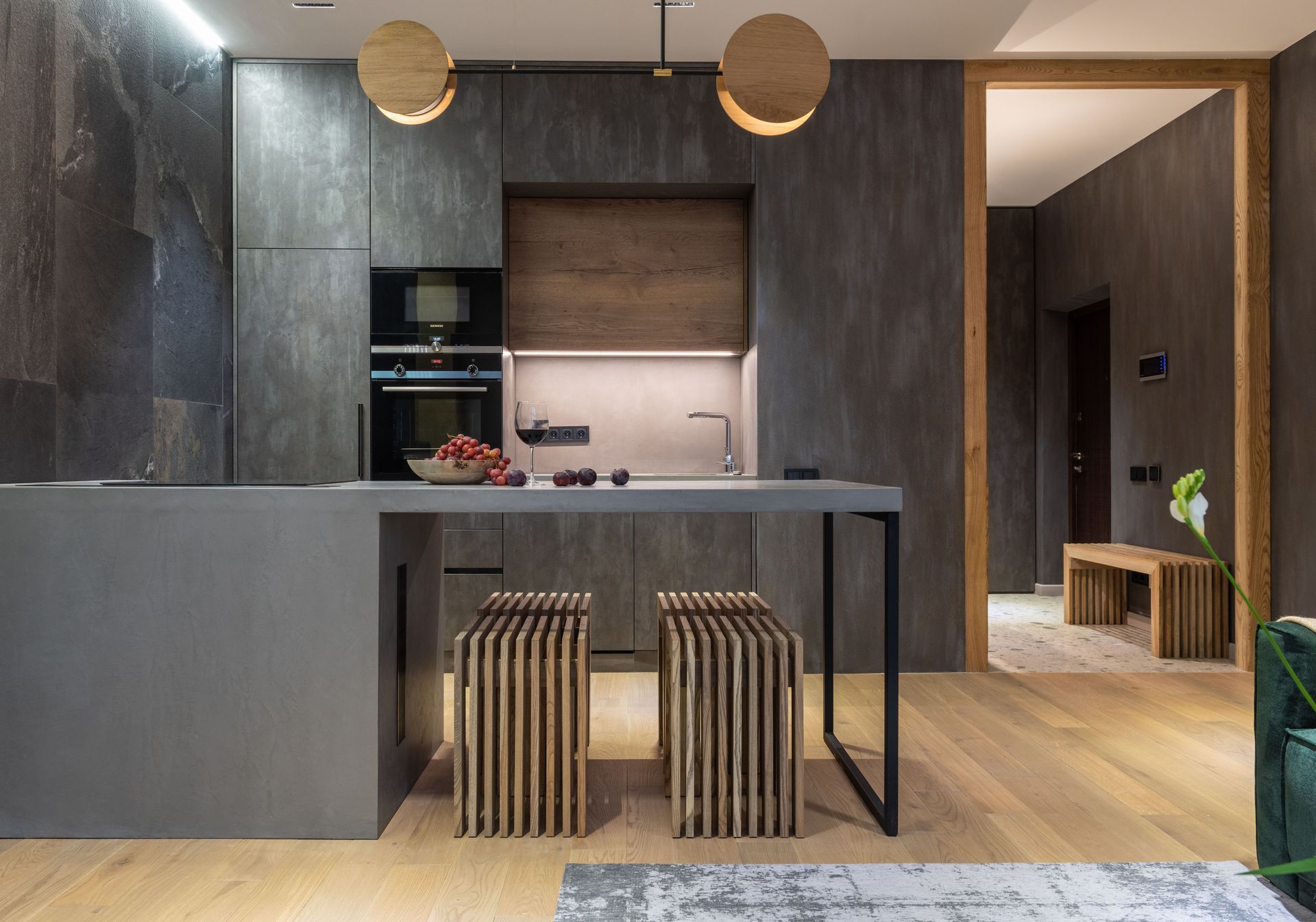
Concrete countertops have quietly become one of the smartest upgrades a homeowner can make. They deliver the high-end look of natural stone, the toughness to survive decades of daily use, and a level of customization no slab off a showroom floor can match. Yet many homeowners still overlook them, unsure whether they're worth the cost. At Liberty Concrete, we help homeowners see exactly what makes concrete countertops a lasting investment—not just a design trend. In this post, you'll learn why concrete countertops hold their value, the real benefits behind the hype, and how our team guides you from first sketch to final seal. What Makes Concrete Countertops a Smart Investment A countertop isn't a purchase you make often, so it pays to choose one that lasts. Concrete countertops earn their value in a few clear ways: they hold up for decades, ask very little in upkeep, and can be shaped to fit your exact vision. When you compare that to laminate, tile, or even mid-grade stone, the long-term math tips in concrete's favor fast. The short version? You're not just buying a surface. You're buying a permanent, custom feature that adds character and value to your home. Durability and Longevity That Pay Off Concrete countertops are built to last for decades, not years. That longevity is the foundation of their value. A properly sealed concrete surface resists chips, cracks, and the everyday wear that breaks down cheaper materials. It won't peel like laminate or loosen like tile grout over time. Once it's installed correctly, a concrete countertop becomes a permanent fixture in your kitchen or bath. Takeaway: A one-time investment in concrete often outlasts two or three cycles of cheaper countertops. Low Maintenance for Busy Homeowners Nobody wants a countertop that demands constant fussing. Concrete keeps upkeep refreshingly simple. Day-to-day care comes down to a quick wipe with mild soap and water. There's no special polish, no fragile finish to baby, and no grout lines to scrub. The one task worth staying on top of is periodic resealing, which protects against stains and keeps the surface looking sharp for years. Daily: Wipe with mild soap and water. Avoid: Harsh, abrasive cleaners that can strip the sealer. Periodically: Reseal to guard against stains and moisture. Takeaway: Minimal upkeep means more time enjoying your kitchen and less time maintaining it. Heat and Scratch Resistance Where It Counts A kitchen countertop takes real abuse—hot pans, sharp knives, heavy pots. Concrete handles it well. Concrete is naturally heat-resistant, so setting down a warm dish won't scorch or warp the surface the way it can with some materials. It also stands up to scratches better than softer options, keeping its look intact through years of cooking and prep. That said, smart habits extend the life of any surface. Using trivets under very hot cookware and a cutting board for knife work helps protect the sealer long-term. Concrete gives you peace of mind, but a little care goes a long way. Takeaway: Concrete shrugs off the daily demands of a working kitchen better than most alternatives. Endless Customization Options This is where concrete truly separates itself from the pack. Because it's cast in molds, it can take almost any shape, size, or finish you can imagine. You're never boxed in by standard slab dimensions or a short list of stock colors. Here's how you can personalize every detail: Color Integral pigments run color all the way through the piece for a consistent, lasting tone. Surface stains, on the other hand, create layered, varied effects with more depth and character. Texture Choose a smooth, polished surface for a sleek, modern look. Or opt for a textured finish that mimics the feel of natural stone for something more organic. Specialty Finishes Want the warmth of timber with the durability of stone? Wood-look concrete delivers exactly that. Polished finishes bring a refined, contemporary edge. The options let you match your countertop to your home—not the other way around. Takeaway: With concrete, your countertop reflects your vision on purpose, not by compromise. A Unique Aesthetic That Adds Value Concrete countertops have a distinctive, high-end presence that store-bought surfaces struggle to replicate. Each one is cast individually, which means yours is genuinely one of a kind. That uniqueness does more than look good. A custom, well-built countertop signals quality to guests and future buyers alike. It reads as an intentional upgrade rather than a builder-grade afterthought, which helps your home stand out and can support its resale value. Takeaway: A custom concrete countertop is both a design statement and a value-adding feature. How Liberty Concrete Guides You Through the Process Buying a prefabricated countertop limits you to standard sizes and finishes. Working with a local expert means every element is built for your space, your style, and your home. Liberty Concrete walks you through the entire process from start to finish. Planning your design. We start by learning your space, your style, and how you use your kitchen. Together we map out the shape, dimensions, and layout that fit your home. Choosing finishes and colors. From integral pigments to surface stains and specialty finishes like wood-look or polished concrete, you personalize every detail with our guidance. Casting your countertop. Each piece is cast to your exact specifications, so it fits your space precisely—no awkward seams or off-the-shelf compromises. Professional local installation. Because we work right here in your area, you get accurate measurements, reliable scheduling, and expert installation done right the first time. The result is a countertop designed for your life, backed by a team that knows concrete inside and out. Common Mistakes to Avoid A few oversights can undercut an otherwise great countertop. Keep these in mind: Skipping the sealer. Unsealed concrete stains and absorbs moisture more easily. Seal and reseal on schedule. Using harsh cleaners. Abrasive products strip the sealer and dull the finish over time. Going prefabricated. Off-the-shelf pieces rarely fit your exact space and lack the custom look that makes concrete special. DIY installation. Concrete is heavy and precise work. Professional installation protects your investment. Takeaway: Getting the details right from the start protects your countertop for the long haul. Frequently Asked Questions Are concrete countertops worth the investment? Yes. Their durability, low maintenance, and full customization make them a lasting feature that adds real value and years of enjoyment to your home—so the upfront cost pays you back over time. Do concrete countertops crack easily? A properly cast, reinforced, and sealed countertop resists cracking well. Professional installation and correct sealing are key to keeping the surface solid for decades. Can concrete countertops handle heat? Concrete is naturally heat-resistant, which makes it a strong choice near cooktops and ovens. Using trivets under very hot cookware still helps protect the finish long-term. How do I maintain a concrete countertop? Clean with mild soap and water, avoid abrasive cleaners, and reseal periodically to guard against stains, moisture, and wear. Can Liberty Concrete match a specific color or style? Absolutely. Because each piece is cast in a mold, almost any shape, color, or texture is possible—including finishes designed to complement your home's existing look. See the Value for Yourself Concrete countertops deliver a rare combination of benefits that few other surfaces can match: Durability and longevity that outlast cheaper materials. Low maintenance with simple, everyday care. Heat and scratch resistance built for a working kitchen. Endless customization in color, texture, and finish. A unique, high-end look that adds character and value. The smartest first step is expert help. Liberty Concrete works with you from initial design to final installation, building a countertop made for how you cook, gather, and live. Contact Liberty Concrete today to talk through your ideas and discover just how much value custom concrete countertops can add to your home. Meta Title: Are Concrete Countertops Worth It? | Liberty Concrete Meta Description: Discover why concrete countertops are worth the investment. Liberty Concrete explains the durability, low maintenance, and custom style of a lasting upgrade.
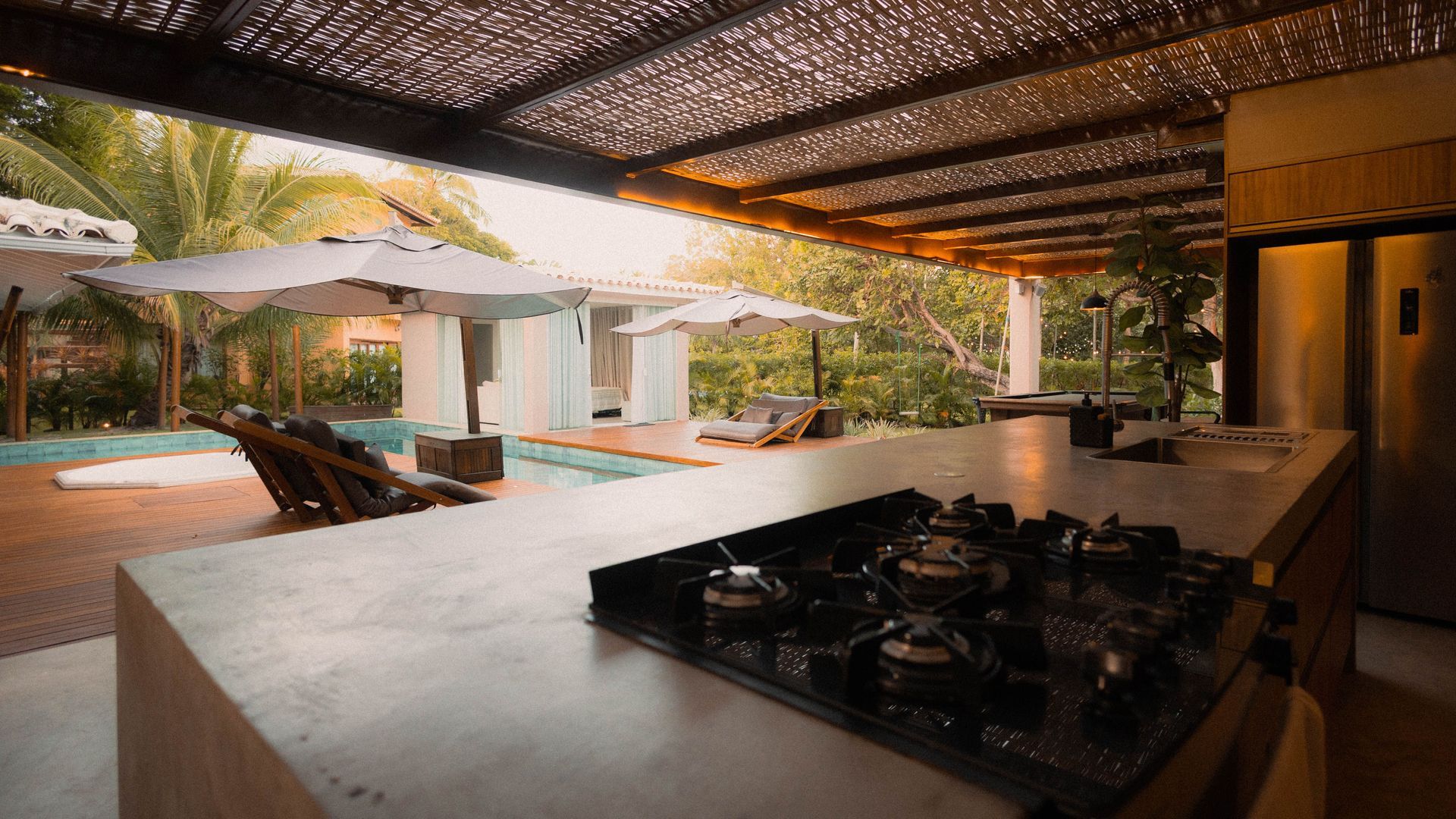
An outdoor kitchen turns a plain backyard into the heart of your home. It's where weekend cookouts, family dinners, and summer parties come to life. But building one that lasts—and looks incredible—takes more than a grill and a few pavers. It takes the right materials, smart design, and expert guidance. That's where Liberty Concrete comes in. As your local concrete specialist, the team helps homeowners design, customize, and build outdoor concrete kitchens made for the way you cook and entertain. In this post, you'll learn why concrete is the smart choice for an outdoor kitchen, the design elements worth considering, how the process works from start to finish, and which concrete type fits your project best. Why Choose Concrete for Your Outdoor Kitchen? Concrete has become the go-to material for outdoor kitchens, and for good reason. It combines strength, style, and staying power in a way few other materials can match. When you weigh it against tile, wood, or prefabricated stone, the advantages stack up quickly. Built to Last for Decades An outdoor kitchen takes daily abuse—hot pans, spilled drinks, constant use, and full exposure to the elements. Concrete handles all of it. It won't rot like wood or rust like metal, and a properly sealed surface resists chips, cracks, and heavy wear. Once it's built right, your kitchen becomes a permanent feature that holds its shape and function for years. Weather Resistance That Holds Up Outdoor surfaces face intense sun, rain, wind, and sharp temperature swings. Properly sealed concrete shrugs it all off. It resists UV fading, moisture, and the kind of breakdown that ruins cheaper materials. Your countertops and islands stay sharp through blazing summers and cold winters alike. Almost No Maintenance Required Concrete asks very little of you. A wipe-down with mild soap and water keeps most surfaces looking pristine. There's no annual staining or sealing marathon like you'd face with wood, and concrete naturally resists mold and mildew. Periodic resealing is the one task worth keeping up, and it protects against stains for years. Endless Customization This is where concrete truly shines. Because it's cast in molds, it can take almost any shape, size, or finish you want. You're not limited to standard slab dimensions or a handful of colors. From a curved bar top to a color-matched island, your kitchen can be built to your exact vision—not pieced together from off-the-shelf parts. Popular Design Elements for an Outdoor Concrete Kitchen A great outdoor kitchen is more than a cooktop. The right mix of features makes it functional, beautiful, and built for gathering. Here are the elements homeowners love most. Concrete Countertops Countertops are the workhorse of any outdoor kitchen. Concrete versions deliver the upscale look of natural stone with better durability and full customization. They're heat-resistant, cast to your exact dimensions, and available in nearly any color or texture. Whether you want a smooth polished surface or a rugged stone-look finish, the choice is yours. Kitchen Islands A concrete island anchors the whole space. It offers prep room, storage, and casual seating in one central hub. Cast as a solid, seamless piece, an island stands up to years of use without wobbling or wearing down—and it becomes the natural gathering point for guests. Outdoor Bars Nothing elevates entertaining like a dedicated outdoor bar. A concrete bar top pairs beautifully with stools and can include built-in features like a sink, ice well, or beverage fridge. The seamless surface wipes clean in seconds, so cleanup never slows the party down. Built-In Grills and Cooktops Concrete surrounds are ideal for built-in grills because they're naturally heat-resistant and won't warp near high temperatures. A custom concrete grill station integrates your cooktop cleanly into the design, replacing that bulky freestanding grill with a polished, permanent centerpiece. Fire Features A concrete fire pit or fireplace extends your kitchen's use well into the cooler months. Concrete handles high heat with ease, making it perfect for fire feature surrounds and surrounding seating. It turns an outdoor kitchen into a true year-round gathering space. Quick tip: Pick the two or three features that fit how you actually entertain. Build around those first, then expand later if you want. GFRC vs. Solid-Cast Concrete: Which Fits Your Kitchen? Not all concrete is built the same way, and the right type depends on your layout and goals. Liberty Concrete helps you weigh both options for each part of your kitchen. When Solid-Cast Concrete Makes Sense Traditional solid-cast concrete is heavy and permanent—there's no way around it. For built-in countertops, islands, and grill surrounds that stay in one place, that weight is a real advantage. Choose solid-cast when: The feature is a permanent fixture that won't move. You want maximum durability for a high-use surface. You need a rugged, substantial feel. When GFRC Is the Better Choice Glass fiber reinforced concrete (GFRC) is reinforced with glass fibers, which lets it be cast in thinner sections without sacrificing strength. The result is significantly lighter than standard concrete with comparable durability. GFRC works best when: A piece needs to go on a deck, balcony, or raised structure. You want intricate detail, curved edges, or a sleeker profile. Weight limits or installation access are a concern. Many outdoor kitchens use a smart mix of both. Liberty Concrete walks you through which type fits each element based on placement, weight, and how you'll use the space. How Liberty Concrete Designs and Builds Your Kitchen Sourcing prefabricated pieces from a big-box retailer limits you to standard sizes and finishes. Working with a local expert means every element is built for your space, your style, and your climate. Liberty Concrete guides you through the entire process. Planning your layout. The team starts by learning your space, how you cook, and how you entertain. They map out a functional flow—prep zones, cooking areas, and seating—that makes the kitchen effortless to use. Selecting the right materials. Based on placement, weight, and exposure, they recommend solid-cast or GFRC for each feature and help you choose durable, weather-ready surfaces. Choosing custom finishes and colors. From integral pigments to surface stains and specialty finishes like wood-look concrete, you personalize every detail to match your home and outdoor style. Building and installing locally. Because the team works right here, you get accurate measurements, reliable scheduling, and professional installation from start to finish. The result is an outdoor kitchen designed for your life—not a generic setup that happens to fit. Common Mistakes to Avoid A few oversights can undercut an otherwise great project. Keep these in mind: Skipping the sealer. Unsealed concrete stains and absorbs moisture more easily. Make sure surfaces are sealed and resealed on schedule. Poor layout planning. A kitchen with cramped prep space or awkward flow frustrates you every time you cook. Plan the layout before choosing finishes. Ignoring the climate. Materials and sealers should suit your local weather. Local expertise makes the difference here. Buying prefabricated. Off-the-shelf pieces rarely fit your exact space. Custom work looks more intentional and lasts longer. Getting these details right from the start saves you time, money, and frustration down the road. Frequently Asked Questions Is a concrete outdoor kitchen worth the investment? Yes. Concrete's durability, low maintenance, and custom design make it a lasting feature that adds real value and years of enjoyment to your home. Can concrete countertops handle heat from a grill? Concrete is naturally heat-resistant, which makes it a strong choice near grills and cooktops. Sealing and proper trivets are still smart for protecting the finish long-term. How do I maintain an outdoor concrete kitchen? Clean surfaces with mild soap and water, and reseal periodically to guard against stains and moisture. Avoid abrasive cleaners that can strip the sealer. Can Liberty Concrete match a specific color or style? Yes. Because pieces are cast in molds, almost any shape, color, or texture is possible—including finishes designed to complement your home's existing look. Should I use GFRC or solid-cast concrete? It depends on the feature. Solid-cast suits permanent, heavy-use surfaces, while GFRC works better for lighter, detailed, or raised installations. Liberty Concrete helps you decide for each element. Build the Outdoor Kitchen You've Always Wanted An outdoor concrete kitchen delivers a rare mix of durability, weather resistance, low maintenance, and custom style. From countertops and islands to bars, fire features, and built-in grills, the possibilities are broader than most homeowners expect—and the right guidance brings it all together. The smartest first step is expert help. Liberty Concrete works with you from layout planning to the final finish, building a kitchen made for how you cook, gather, and entertain. Contact Liberty Concrete today to talk through your ideas and start designing the outdoor concrete kitchen of your dreams. Meta Title: Outdoor Concrete Kitchen Design | Liberty Concrete Meta Description: Design your dream outdoor concrete kitchen with Liberty Concrete. Get expert help with countertops, islands, fire features, custom finishes, and installation.
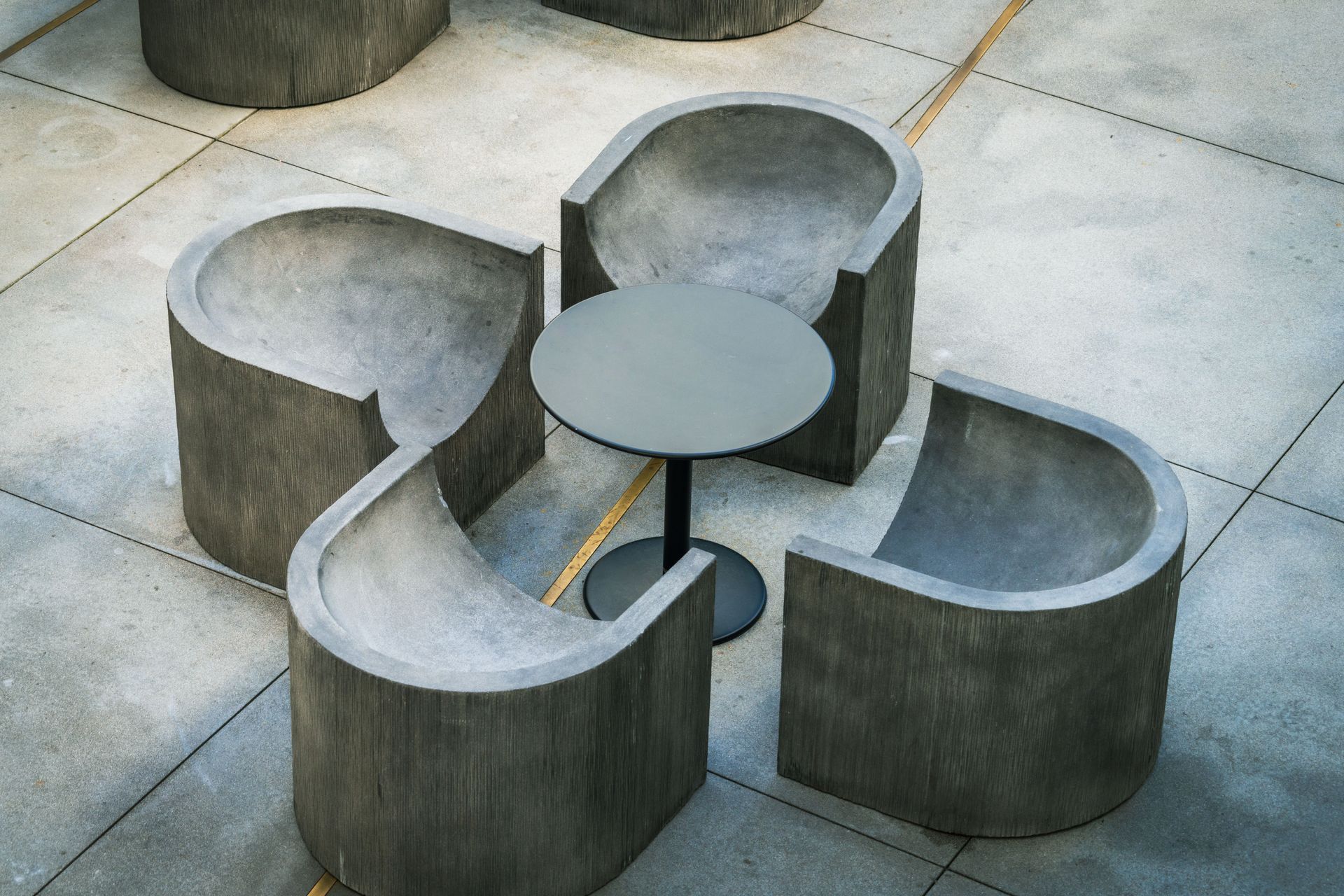
Concrete furniture is a durable, low-maintenance, and highly customizable option for both indoor and outdoor spaces. From garden benches and dining tables to firepit surrounds and shelving, concrete pieces can last decades with minimal upkeep—and Liberty Concrete can help you explore the right options for your home or project. Concrete has a reputation for being cold, industrial, and strictly structural. But the material has quietly earned a new role in modern home design—one that goes far beyond driveways and foundations. Homeowners and designers alike are turning to concrete for furniture pieces that are as functional as they are striking. The global concrete furniture market is growing at a compound annual growth rate (CAGR) of approximately 7%, according to Research Corridor. That growth reflects a real shift in how people think about the material—not just as a building block, but as a design statement. Concrete benches anchor outdoor patios. Concrete dining tables become conversation pieces. Concrete shelving brings raw, textural interest to living rooms and kitchens. At Liberty Concrete in Green Bay, WI, we work with homeowners, contractors, and designers to explore concrete possibilities beyond the obvious. If you've been curious about concrete furniture —what's possible, what it costs, and how it holds up—this guide covers everything you need to know. What Kinds of Furniture Can Be Made from Concrete? Concrete is remarkably versatile. It can be cast into almost any shape, finished in a range of textures, and customized with color pigments or aggregates. Here are some of the most popular concrete furniture options for both indoor and outdoor spaces. Outdoor Concrete Furniture Ideas Benches and seating: A concrete bench is one of the most common and practical uses of the material outdoors. Unlike wood or metal alternatives, a concrete bench won't rot, rust, or need refinishing after a Wisconsin winter. It can be cast in place or fabricated off-site and installed in a garden, along a walkway, or as part of a fire pit area. Outdoor dining tables: A concrete dining table on a patio or deck creates a permanent, weather-resistant gathering spot. The surface can be sealed and polished for a smooth, modern look, or left with a raw, textured finish for something more organic. Planters and garden borders: Concrete planters and raised garden beds combine function with form. They handle freeze-thaw cycles well, making them a smart choice for Green Bay's climate. Fire pit surrounds: Concrete is naturally heat-resistant, making it a practical and visually clean option for fire pit enclosures and surrounding seating. Indoor Concrete Furniture Ideas Dining and kitchen tables: A polished concrete tabletop brings a tactile, artisan quality to a dining room or kitchen. It pairs naturally with wood, metal, and leather, fitting into industrial, modern farmhouse, and minimalist interiors alike. Coffee tables and side tables: Smaller concrete pieces—like coffee tables and bedside tables—let you introduce the material in a subtle way before committing to larger pieces. Shelving and countertops: Concrete shelves and countertops are increasingly popular in kitchens and bathrooms. They're durable, heat-resistant, and can be customized to match any aesthetic. TV consoles and media units: A concrete media console adds architectural weight to a living space without overwhelming it. Paired with lighter materials like wood or glass, the contrast works beautifully. What Are the Benefits of Concrete Furniture? How long does concrete furniture actually last? Properly constructed and maintained concrete can last 50 to 100 years or more, according to the Concrete Network. For furniture, that means a well-made concrete bench or table can genuinely outlast the home it belongs to. No other common furniture material—wood, metal, wicker—comes close to that kind of longevity. The key factors are quality construction and proper sealing. A concrete piece that's been correctly mixed, cast, and sealed will resist moisture, cracking, and staining for decades. Is concrete furniture low maintenance? Yes—and that's one of its biggest practical advantages. Concrete furniture doesn't need painting, staining, or refinishing. The main maintenance task is resealing the surface every one to two years, depending on use and exposure. This process takes about five minutes and keeps the concrete protected from stains and moisture penetration. For day-to-day cleaning, mild soap and water is all you need. Avoid harsh chemicals, which can degrade the sealer over time. Can concrete furniture be customized? Concrete is one of the most customizable furniture materials available. Color pigments can be mixed into the concrete itself for a consistent tone, or applied to the surface for more varied, layered effects. Aggregates like crushed glass, pebbles, or stone can be embedded in the surface for texture and visual interest. Shape is equally flexible. Because concrete is cast in molds, it can be formed into curves, geometric angles, or bespoke dimensions that off-the-shelf furniture simply can't offer. Is modern concrete furniture too heavy to move? Traditional cast concrete is heavy—there's no getting around that. A full concrete dining table, for instance, is typically a permanent fixture. But glass fiber reinforced concrete (GFRC), a modern variation, is up to 75% lighter than standard concrete, according to the Concrete Countertop Institute. GFRC can be cast in thinner sections without losing structural integrity, making it a practical option for pieces that need to be moved or installed on upper floors. Does concrete furniture suit modern aesthetics? Concrete's natural texture and neutral tones fit naturally into a wide range of design styles—industrial, modern, Scandinavian, and contemporary. The material photographs well, ages gracefully, and gains character over time as minor patina develops on the surface. Why Work with a Local Concrete Expert? Sourcing concrete furniture from a mass-market retailer limits your options to standard sizes, shapes, and finishes. Working with a local concrete professional means the piece is built specifically for your space, your style, and your climate. Green Bay's freeze-thaw cycles put outdoor materials through real stress every year. A locally crafted concrete bench or planter, designed with the right mix and sealed appropriately, will hold up far better than a generic imported piece that wasn't built with Wisconsin winters in mind. Liberty Concrete brings that local knowledge to every project. Whether you're looking for a single custom bench for your backyard or exploring concrete furniture options for an entire outdoor entertaining area, our team can walk you through the design process, material choices, and maintenance requirements from start to finish. Ready to Explore Concrete Furniture for Your Home? Concrete furniture isn't a trend—it's a long-term investment in pieces that look better with age and require almost no upkeep. From outdoor benches and fire pit seating to indoor dining tables and countertops, the options are broader than most people expect. Liberty Concrete is here to help Green Bay homeowners and businesses find concrete solutions that work for their space. Contact our team today to discuss your concrete furniture ideas and get expert guidance on what's possible for your project. Frequently Asked Questions About Concrete Furniture Is concrete furniture suitable for cold climates like Green Bay, WI? Yes. Concrete that is properly mixed, sealed, and maintained handles freeze-thaw cycles well. The key is using a high-quality sealer and reapplying it every one to two years to prevent moisture from penetrating the surface and causing cracking. How much does custom concrete furniture cost compared to store-bought alternatives? Custom concrete furniture typically costs more upfront than mass-produced alternatives, but the lifespan—50 to 100 years or more with proper care—means the long-term cost per year is often lower. Price varies depending on size, complexity, and finish. What is GFRC, and is it a better option than standard concrete for furniture? GFRC (glass fiber reinforced concrete) is a modern concrete formulation reinforced with glass fibers. It is up to 75% lighter than traditional concrete while maintaining comparable strength, according to the Concrete Countertop Institute. GFRC is ideal for large or intricate furniture pieces where weight is a practical concern. How do I maintain a concrete dining table or bench? Clean with mild soap and water as needed. Reseal the surface every one to two years using a concrete-specific sealer. Avoid placing hot objects directly on unsealed surfaces or using abrasive cleaners that can strip the sealant. Can Liberty Concrete create custom shapes and sizes? Yes. Because concrete furniture is cast in molds, it can be fabricated to almost any dimension or shape. Custom pigments, aggregates, and surface finishes are also available to match your specific design preferences. Meta data Meta title: Concrete Furniture Ideas: Benches, Tables & More Meta description: Explore concrete furniture ideas for your home or outdoor space. Learn the benefits of durability, customization & low maintenance—then contact Liberty Concrete for expert guidance.
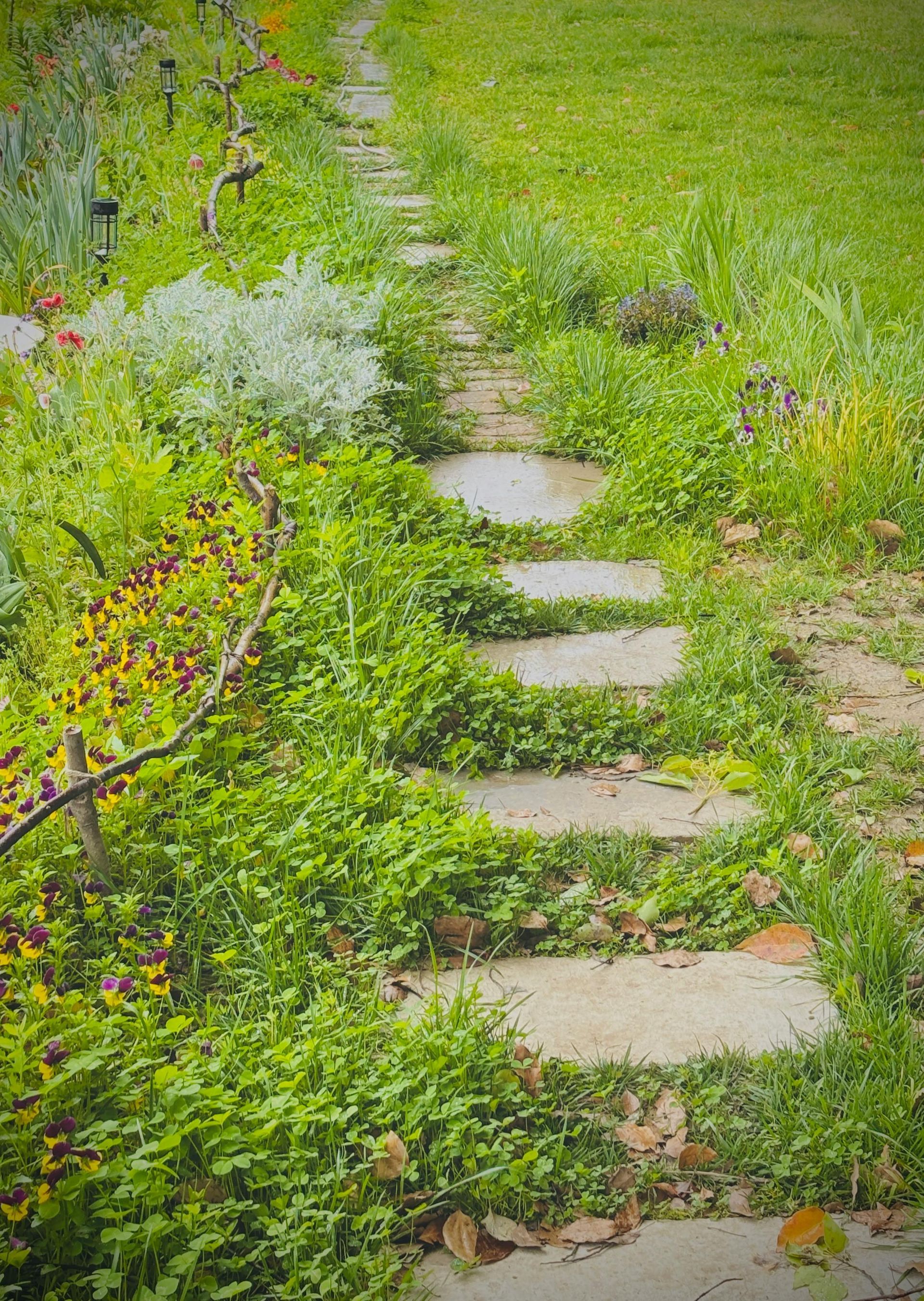
A great yard is about more than grass and plants. It is about how you move through the space, where your eye lands, and how easy it feels to actually use your outdoor areas. Concrete stepping stones solve all three at once. If your lawn gets muddy in the same worn path, your garden lacks a clear route, or your backyard feels disconnected, stepping stones offer a simple, lasting fix. At Liberty Concrete, we help homeowners design and place concrete stepping stones that look great, hold up for decades, and bring real function to every corner of the yard. Here is what you will learn: Why concrete stepping stones outperform other materials The biggest benefits, from durability to accessibility Smart placement ideas for gardens, paths, and patios How Liberty Concrete supports your project from start to finish Why Concrete Is the Right Choice for Stepping Stones You have options when it comes to stepping stones — natural flagstone, brick, gravel, wood rounds. They all have a place, but most come with trade-offs. Flagstone gets pricey and uneven. Wood rots. Gravel shifts and scatters. Brick chips and loosens over time. Concrete sidesteps those problems. Built to Last for Decades Concrete stepping stones stand up to heat, freezing temperatures, heavy foot traffic, and constant moisture without breaking down. They will not rot, warp, or wash away. Once they are set properly, you are looking at a feature that holds its shape and function for years with almost no attention. Almost No Maintenance Required Wood needs sealing. Gravel needs raking and refilling. Concrete stepping stones need an occasional rinse and that is about it. For homeowners who want their yard to look good without adding another weekend chore, that low-maintenance quality is hard to beat. Safer, More Stable Footing Loose materials shift underfoot, which becomes a real hazard over time. Properly installed concrete stepping stones stay put. That stability matters for kids, older family members, and anyone carrying groceries or garden tools across the yard. The Real Benefits of Adding Stepping Stones Stepping stones do more than fill space. They change how your yard works. They Define Your Walkways An unmarked path across a lawn turns into a muddy, worn strip over time. Stepping stones give that route structure and intention. They tell people where to walk, protect your grass from constant traffic, and make the whole yard feel more organized. They Improve Accessibility Crossing a wet lawn or a soft garden bed is awkward and messy. A line of stepping stones gives you stable, dry footing from point A to point B — whether that is the shed, the garden, the side gate, or the back patio. So you can move through your yard comfortably in any season. They Add Visual Appeal Concrete is far more versatile than people expect. You can finish it smooth for a clean, modern look or stamp and texture it to resemble natural stone. Integral tinting runs color all the way through, so it never peels or fades. Stepping stones can match your patio, complement your home's exterior, or create a deliberate contrast against your greenery. They Connect Your Outdoor Spaces A backyard often feels like a set of separate zones — patio here, garden there, fire pit in the corner. Stepping stones tie those areas together into one cohesive landscape, guiding the eye and the foot from one space to the next. Smart Ways to Use Concrete Stepping Stones Around Your Yard The right stones in the right spot transform how an outdoor space feels and functions. Here are the placements that consistently deliver the most value. Garden Paths Stepping stones let you walk through garden beds without compacting soil or trampling plants. Set them between rows so you can tend, weed, and harvest with clean, dry footing. Curved paths feel natural and relaxed, while straight runs read as more formal and structured. Side Yards Side yards take a beating. They are narrow, often shaded, and prone to mud where everyone walks the same line. A run of stepping stones turns that overlooked strip into a clean, usable passage between your front and back yards — no more muddy shoes or worn grass. Lawn Paths A series of evenly spaced stones across an open lawn creates a defined route that protects your grass and adds visual rhythm. Space them to match a comfortable, natural stride so the path feels effortless to walk. This is one of the simplest upgrades for a yard that gets daily foot traffic. Patios and Transitions Stepping stones bridge the gap between a patio and the rest of the yard beautifully. Use them to lead from a back door to a seating area, or from the patio edge out to a garden or fire pit. They create a smooth, intentional transition instead of an abrupt drop-off into the lawn. Backyard Landscapes In larger backyards, stepping stones connect everything — the shed, the vegetable garden, the play area, the gathering spots. They turn a scattered collection of zones into a landscape that flows. Mixing stone sizes and spacing adds character and keeps the design from feeling rigid. Avoiding Common Stepping Stone Mistakes A few small oversights can turn a great idea into a frustrating one. Watch for these before you start. Skipping a proper base. Stones set directly on loose soil sink and tilt over time. A compacted base of sand or gravel keeps them level and stable for the long haul. Spacing them wrong. Stones placed too far apart force an awkward stride; too close and the path feels cluttered. Match the spacing to a comfortable, natural step. Setting them too high. Stones that sit above lawn level become trip hazards and make mowing a chore. Set them flush with the surrounding grass for easy maintenance. Choosing the wrong size. A path that gets heavy traffic needs larger, more stable stones than a decorative garden accent. Think about how the path will actually be used. Getting these details right from the start saves time, money, and frustration down the road. How Liberty Concrete Supports Your Project At Liberty Concrete, we bring hands-on local knowledge to every project. We help you think through layout, spacing, sizing, and finish so your stepping stones complement your yard rather than feel like an afterthought. We supply quality materials built to handle local weather, and we guide you through the planning process from your first idea to a finished result you are proud of. If your stepping stone project connects to a bigger outdoor upgrade — a new patio, a garden border, a decorative walkway — we can help you plan those pieces together so everything works as one cohesive design. We are not just a materials supplier. We are your local partner at every step of the project. Build a Yard That Works Beautifully Concrete stepping stones are one of the most practical and rewarding upgrades you can make to your yard. They outlast the alternatives, ask almost nothing in maintenance, and bring both function and polish to your outdoor space. Whether you want a simple garden path or a complete network connecting your whole backyard, the right stepping stones make daily life easier and your landscape more inviting. Contact Liberty Concrete today to talk through your concrete stepping stone ideas. Our team will provide the materials, honest guidance, and local expertise you need to create a yard that looks great and holds up for years to come. Meta Title: Why Concrete Stepping Stones Belong in Your Yard | Liberty Concrete Meta Description: Discover the benefits of concrete stepping stones and smart placement ideas. Contact Liberty Concrete for expert guidance on your yard upgrade.
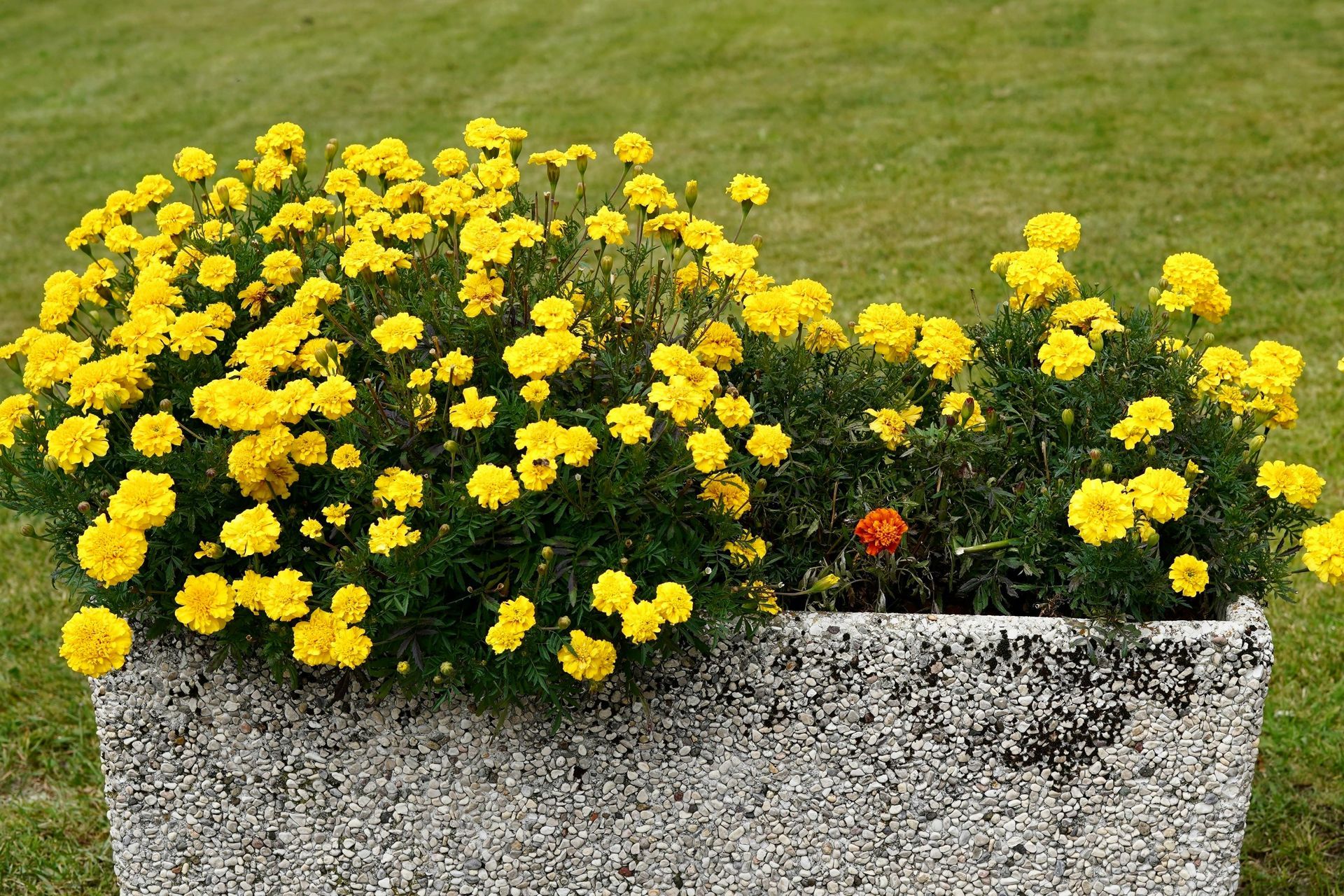
Your outdoor space says a lot about your home. But if your patio feels flat, your entryway lacks personality, or your garden beds look unfinished, the fix might be simpler than you think. Concrete planters give you a durable, stylish way to add structure and life to any outdoor area — and Liberty Concrete is here to help you make it happen. Whether you want a clean modern look or something more rustic and natural, concrete planters work across nearly every style and setting. Here is what you need to know about why they work so well and how to use them throughout your property. Why Concrete Planters Outperform the Alternatives Walk into any garden center and you will find plastic, resin, terracotta, and wood planters lining the shelves. They all have their appeal. But most of them share the same weaknesses: they crack, fade, warp, tip over in the wind, or fall apart after a few seasons outdoors. Concrete planters solve most of those problems before they start. Built to Last Concrete handles weather extremes that destroy other materials. It does not crack from sun exposure, warp after heavy rain, or deteriorate from one hard freeze to the next. A well-made concrete planter holds its shape and finish for years without the constant replacement costs of cheaper options. Stability You Can Count On Tall grasses, large shrubs, and climbing plants all create top-heavy weight that tips lightweight planters over. Concrete stays put. That added weight keeps your plants upright through wind, storms, and accidental bumps — a real advantage for high-traffic areas like entryways and patio edges. Style That Adapts to Any Space Concrete is not a one-look material. You can cast it smooth for a sleek, contemporary finish. You can texture it to look like natural stone. You can tint it to match your home's exterior colors or contrast sharply against your landscaping. The flexibility makes concrete planters a natural fit for virtually any design direction — from minimalist modern to classic garden style. The Right Environment for Plants Concrete planters naturally regulate soil temperature better than thin plastic or metal containers. The material breathes slightly, which reduces the risk of root rot in plants that prefer drier conditions. It also holds up to the weight of deeper soil beds, making it a practical choice for larger plants with established root systems. Where Concrete Planters Make the Biggest Impact The right planter in the right location transforms how a space feels. Here are the areas of your property where concrete planters deliver the most value. Patios and Outdoor Living Areas A patio without greenery often feels incomplete. Concrete planters let you define the edges of your seating area, add color through seasonal flowers, or frame a focal point like a fire pit or dining table. A pair of large planters flanking your outdoor sofa creates a natural room boundary. Smaller planters scattered across the patio surface add texture and warmth without cluttering the space. Try mixing plant heights — low trailing plants in wide, shallow planters alongside taller ornamental grasses in deeper containers. The layered look adds depth and makes the space feel deliberately designed rather than thrown together. Entryways and Front Walkways First impressions start before anyone reaches your front door. A matched pair of concrete planters at the entrance makes your home feel polished and welcoming. Choose plants with year-round interest — evergreen shrubs, ornamental cabbages in fall, or flowering annuals in summer — to keep the look fresh across every season. Along a walkway, a series of evenly spaced planters guides visitors naturally toward your entrance while adding visual rhythm to the path. It is a small detail that makes a significant difference in curb appeal. Garden Beds and Landscape Borders Concrete planters do not have to sit in isolation. Place them within an existing garden bed to elevate certain plants above the surrounding ground level. This creates visual variety and draws attention to specimen plants you want to highlight. You can also use low, wide concrete planters as functional garden borders. They hold soil in raised beds, define planting zones, and add a clean, structured edge that keeps mulch and soil from spreading onto paths and lawn areas. Poolside and Courtyard Settings Around pools and in enclosed courtyards, concrete planters are an especially smart choice. They will not fade from reflected sunlight or absorb moisture in the way that wood or composite materials do. Large concrete planters with tropical plants or tall ornamental grasses create natural privacy screens without requiring permanent construction. Choosing the Right Plants for Concrete Planters The material works with a wide range of plants, but some perform better than others. Succulents and cacti thrive in the slightly drier soil environment concrete promotes Mediterranean herbs like rosemary, lavender, and thyme love the drainage and warmth Ornamental grasses suit large, deep planters and add year-round movement and texture Annual flowers like petunias, marigolds, and calibrachoa pack color into smaller containers Dwarf shrubs and topiaries work well in statement planters near entryways or seating areas The size of your planter should match the root depth your plants need. Liberty Concrete can help you think through sizing so your plants have the room they need to grow strong. Common Mistakes to Avoid Even a great planter falls short without proper planning. Keep these pitfalls in mind: Skipping drainage holes : Without drainage, water pools at the bottom and rots roots. Always plan for drainage when designing or ordering concrete planters. Undersizing the container : A small planter restricts root growth and dries out too quickly. Match container volume to the plant's mature size, not its size at purchase. Ignoring placement weight : Concrete planters are heavy. If you plan to place them on a deck, wood surface, or elevated area, check the load capacity before filling them with soil. Planting without proper soil mix : Standard garden soil compacts in containers. Use a quality potting mix designed for container planting to keep roots healthy and well-aerated. How Liberty Concrete Helps You Get It Right You do not have to figure this out alone. Liberty Concrete brings local expertise and hands-on knowledge to every project. Whether you want a single statement planter for your front door or a full collection to anchor a patio redesign, our team helps you plan with confidence. We guide you through material options, sizing decisions, and finishing choices so your planters complement your home rather than clash with it. We also provide the high-quality concrete materials needed to build planters that hold up season after season. If you are thinking about a broader outdoor upgrade — a new patio, garden borders, decorative walkways — concrete planters fit naturally into that larger plan. Liberty Concrete helps you see the full picture and build toward it step by step. Take the First Step Toward a Better Outdoor Space A few well-placed concrete planters can change the entire feel of your yard, patio, or entryway. They last longer, look better, and outperform most alternatives in nearly every condition. Contact Liberty Concrete today to discuss your concrete planter ideas. Our team will provide the materials, guidance, and local expertise you need to bring your outdoor vision to life.
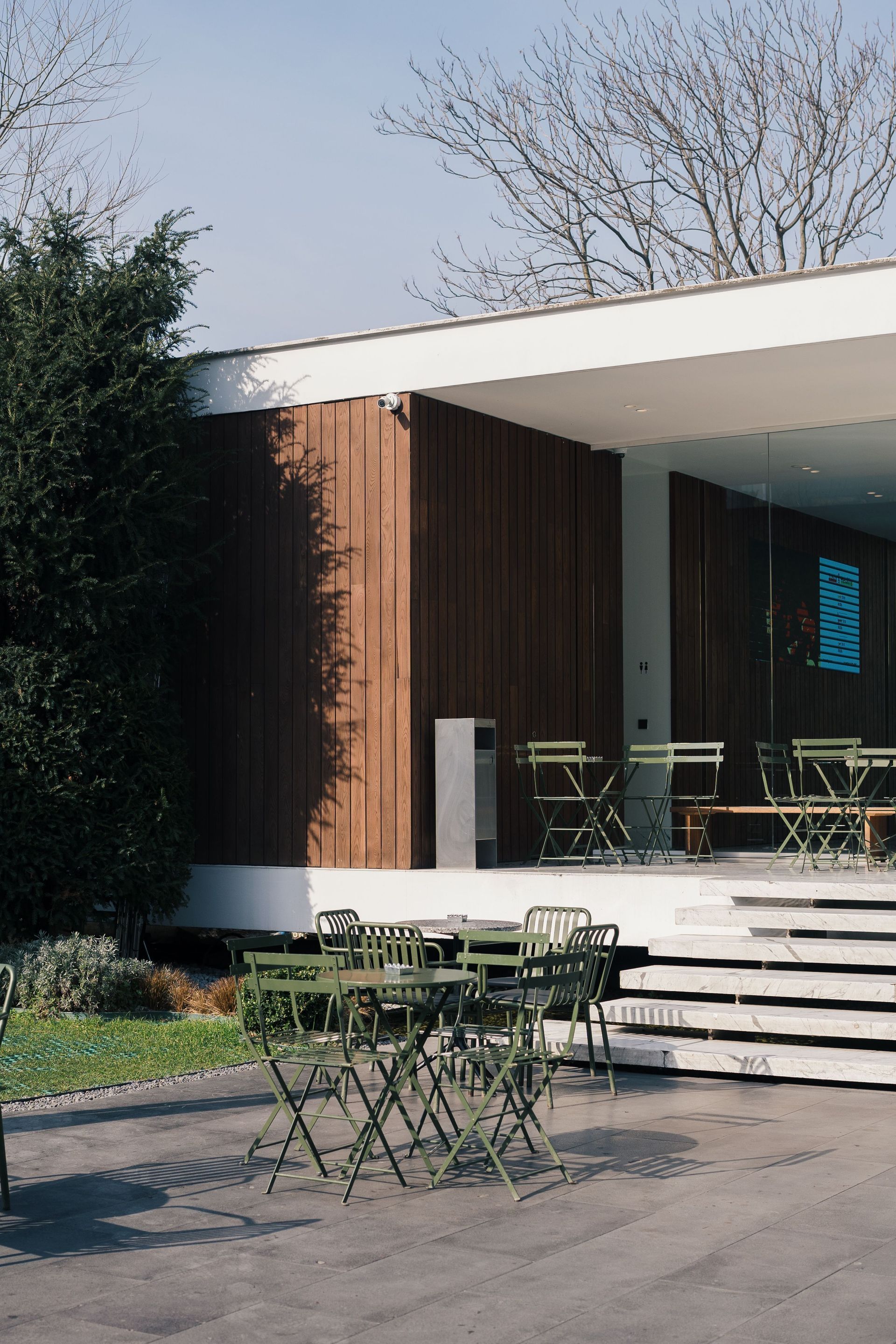
Summer brings warm evenings and the urge to spend more time outside. If your backyard lacks a comfortable gathering space, a new concrete patio offers the perfect solution. Building a patio yourself saves money and gives you complete control over the final look. However, working with concrete requires careful planning, the right supplies, and a solid vision. At Liberty Concrete, we help homeowners turn their backyard ideas into reality. We provide the inspiration, high-quality materials, and expert advice you need to tackle a DIY patio project confidently. In this guide, you will discover creative concrete designs, learn how to avoid common installation mistakes, and see exactly how our team sets you up for success. Creative DIY Concrete Patio Ideas for Summer Concrete no longer means settling for a boring, flat gray slab. Modern techniques allow you to customize the material to fit any design style. Here are a few creative ways to elevate your backyard project this summer. Stamped Concrete Designs You can achieve the high-end look of natural stone, brick, or even wood planks without the massive price tag. Stamped concrete involves pressing large rubber mats into the wet cement just before it sets. This technique creates deep textures and realistic patterns. Whether you want a cobblestone pathway leading to your patio or a seamless slate texture for your dining area, stamping adds instant character to your yard. Colored Concrete Options Adding color completely changes the feel of your outdoor space. You do not have to paint the surface later. Instead, we can help you choose integral colors that mix directly into the wet concrete. This ensures the color runs all the way through the slab, meaning it will never chip or scratch off. You can choose warm earthy browns to blend with your garden or sleek charcoal tones for a highly modern aesthetic. Unique Layouts and Shapes Your patio does not have to be a basic square or rectangle. Concrete takes the shape of whatever form you build. Consider building curved forms to create a sweeping, organic edge that flows with your landscaping. You can also pour individual geometric slabs and leave spaces between them. Filling these gaps with decorative gravel or turf creates a stunning, modern grid layout that drains water perfectly. Summary: By combining unique shapes, custom colors, and textured stamps, your DIY concrete patio can easily rival the look of expensive custom hardscaping. How Liberty Concrete Supports Your DIY Project Taking on a concrete project feels intimidating, but you do not have to do it alone. Liberty Concrete provides the resources and support you need to pour a patio that lasts for decades. Expert Guidance and Planning The success of your patio depends on accurate planning. If you order too little concrete, you ruin the pour. If you order too much, you waste money. We help you calculate the exact volume you need based on your specific measurements and the depth of your slab. We also discuss your site conditions to ensure you understand how to prepare your dirt base properly before the truck arrives. High-Quality Materials A long-lasting patio requires a strong foundation and a premium mix. We supply professional-grade concrete formulated for our specific climate. Our mixes easily withstand hot summer days and freezing winter nights without crumbling. We also provide the essential base materials, like crushed gravel, to ensure your patio drains properly and stays level year after year. Pro Tips for a Smooth Pour Timing is everything when working with concrete. We share professional tips on how to spread, level, and finish your patio before the material hardens. We advise you on where to place control joints to prevent ugly, random cracking. Our team ensures you know exactly what tools to rent and what steps to take the moment the concrete hits the ground. Common DIY Concrete Mistakes to Avoid Even a great design fails if the execution falls flat. When planning your summer patio, watch out for these frequent DIY pitfalls: Skipping base preparation: Pouring concrete directly onto soft topsoil guarantees your patio will sink and crack. Always dig down and compact a proper gravel base. Ignoring the weather: Pouring concrete on a 100-degree day causes the surface to dry too fast, leading to severe flaking. Choose a cool, overcast morning for your pour. Adding too much water: Adding extra water makes concrete easier to spread, but it severely weakens the final slab. Always stick to the recommended mix ratio. Summary: Careful base preparation and proper weather planning separate a successful DIY patio from a frustrating disaster. Start Your Summer Patio Project Today A custom concrete patio completely transforms how you use your backyard. With the right design plan and professional support, you can build a beautiful, durable outdoor living space yourself. You just need the right partner to supply the materials and guide the process. Let Liberty Concrete help you make your summer DIY project a massive success. Contact Liberty Concrete today to discuss your patio ideas. Our team will provide the exact materials, professional advice, and local expertise you need to pour with confidence.

Upgrading your outdoor living space often involves adding a central fire feature. A fire pit creates a natural gathering spot for family and friends during cool evenings. When you explore your material options, concrete quickly stands out as a top choice. However, committing to a permanent backyard structure requires careful thought. At Liberty Concrete, we help you evaluate your yard and lifestyle to see if a concrete fire pit fits your needs. We guide you through every step of the process so you can make a confident decision. The Core Benefits of Concrete Fire Pits Concrete offers specific advantages that other materials simply cannot match. If you want a feature that looks great and functions perfectly, concrete provides incredible value. Long-Lasting Durability Concrete lasts for decades. Unlike cheap metal pits that rust or stacked stone setups that shift and crumble, poured concrete handles extreme conditions. It easily withstands the intense heat of a fire and the freezing temperatures of a harsh winter. You get a permanent fixture that remains solid year after year. Complete Design Versatility You have endless options for how your fire pit looks. We can pour concrete into almost any shape. Whether you prefer a modern square, a classic circle, or a long rectangular trough, we can build it. We also offer various colors and stamped textures. This means your new fire pit will match your existing patio and home exterior perfectly. Exceptional Safety Fire safety must always come first. Concrete will not catch fire, making it a highly secure boundary for open flames. Furthermore, a heavy concrete structure stays put. It will never tip over if someone accidentally bumps into it, which provides peace of mind when kids or pets play in the yard. How Liberty Concrete Guides Your Choice Deciding on the material is only the first step. We work closely with you to ensure the final product improves your daily life. Assessing Your Space Not every backyard needs a massive fire feature. We visit your home to measure your outdoor area carefully. We analyze traffic flow, seating requirements, and safe distances from your house and nearby trees. This thorough planning ensures the fire pit feels natural and comfortable in your yard, rather than cramped or out of place. Customizing the Final Design Once we establish the right size and location, we focus on the details. We sit down with you to select the best finish. We also discuss your fuel preferences. We can help you plan for a traditional wood-burning pit or design a setup that hides the plumbing for a sleek gas-powered flame. Our team ensures the final product matches your exact vision. Upgrade Your Outdoor Space Today A concrete fire pit transforms a basic patio into a warm, inviting retreat. You just need the right team to design and build it safely. Contact Liberty Concrete today to discuss your outdoor living space. Let our experts provide the professional advice and precise installation you need to enjoy your backyard all year long.