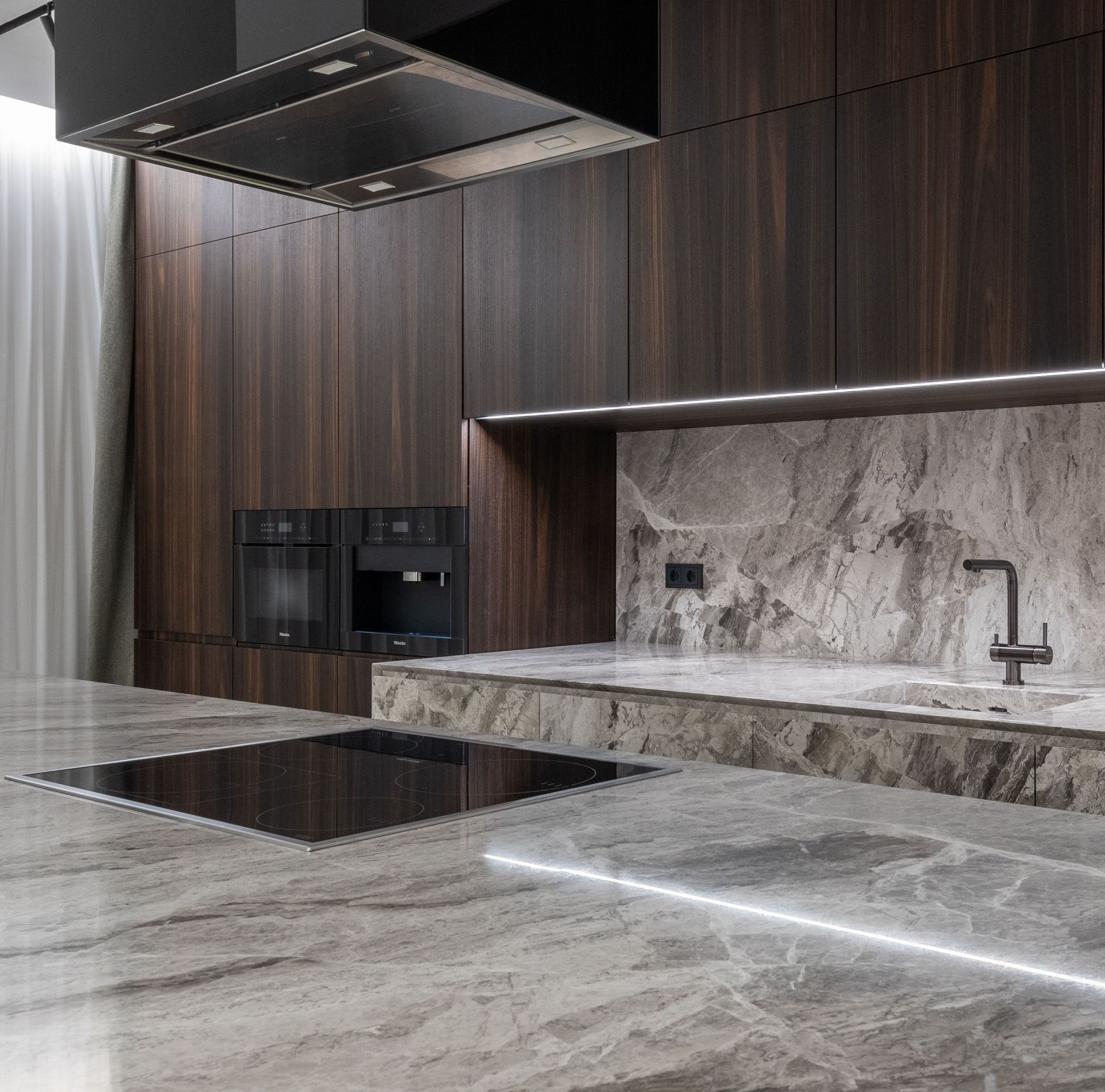
Concrete Floors: Pros, Cons, and Expert Advice

Grant Cool • December 17, 2025

Concrete floors have stepped out of the garage and into the living room, becoming one of the most sought-after flooring materials in modern home design. Prized for their sleek, industrial-chic aesthetic and incredible durability, they offer a unique alternative to traditional options like hardwood, tile, and carpet. But is a concrete floor the right choice for your home or project?


While the benefits are compelling, there are also important considerations to weigh, from comfort and cost to installation complexity. Making the right decision requires a balanced view of both the advantages and the potential drawbacks. At Liberty Concrete, we believe an informed client is a happy client. We don't just sell products; we provide the expert guidance needed to help homeowners and contractors determine if concrete flooring is the perfect fit for their space and lifestyle.


The Pros: Why People Love Concrete Floors

The growing popularity of concrete floors is no accident. They offer a powerful combination of longevity, style, and practicality that is hard to match.


Pro 1: Unmatched Durability

This is concrete’s superstar quality. A properly installed and sealed concrete floor is one of the most durable surfaces you can put in a home. It is incredibly resistant to the daily abuse that would ruin other flooring types. Heavy foot traffic, pet claws, dropped toys, and rolling furniture are no match for its tough surface. Unlike wood that scratches or carpet that stains, a concrete floor can look great for decades with minimal fuss, making it a true lifetime flooring solution.


Pro 2: Low Maintenance and Easy Cleaning

Maintaining a concrete floor is remarkably simple. Because it’s a hard, non-porous surface (when sealed), it doesn’t trap dust, dirt, pet dander, or other allergens. This makes it an excellent choice for families with allergies or asthma, as it contributes to better indoor air quality. Cleaning requires nothing more than a regular sweep with a dust mop and an occasional wipe-down with a neutral-pH cleaner. There’s no need for expensive waxes, shampoos, or specialized treatments.


Pro 3: Endless Design Versatility

The idea that concrete is just a boring gray slab is a thing of the past. Today’s decorative concrete techniques offer a limitless design palette. At Liberty Concrete, we can guide you through a variety of finishes:

  • Staining: Acid or water-based stains penetrate the concrete to create rich, translucent color, mimicking the look of natural stone or marble.
  • Polishing: A multi-step grinding process can bring the floor to a high-gloss, reflective sheen for a sleek, contemporary look.
  • Epoxy Coatings: Perfect for garages or basements, epoxy creates a seamless, durable, and colorful surface that is resistant to chemicals and impacts.
  • Overlays: A thin layer of polymer-modified cement can be applied over an existing slab to create a fresh canvas for stamping, texturing, or coloring.


Pro 4: An Eco-Friendly Choice

In many homes, a concrete slab already exists as the subfloor beneath carpet or tile. By choosing to finish this existing slab, you are using a material that is already there, reducing the need for new materials and minimizing waste. Concrete is also energy-efficient. Its high thermal mass allows it to absorb and radiate heat, which can help regulate indoor temperatures and lower energy bills. It is also the ideal surface for radiant in-floor heating systems.


The Cons: What to Consider Before You Commit

Despite its many advantages, concrete flooring isn't the right fit for every situation. It’s crucial to understand the potential downsides before moving forward.


Con 1: Hardness and Comfort

There’s no getting around it—concrete is hard. It offers no give underfoot, which some people find uncomfortable to stand on for long periods, particularly in kitchens where you spend a lot of time on your feet. The hardness also means that dropped items, like glassware or ceramic plates, are almost certain to break. For families with toddlers or elderly residents, the unforgiving surface can be a concern for falls. This hardness can often be mitigated with strategically placed area rugs and runners.


Con 2: Potential for Cracking

Concrete is a natural material that can expand, contract, and settle over time, which may lead to cracking. While control joints are cut into the slab to guide where these cracks occur, random hairline cracks can still appear. Some people embrace these imperfections as part of the floor’s industrial character, but for others, it can be an aesthetic issue. The team at Liberty Concrete can discuss reinforcement options and proper subgrade preparation to minimize this risk.


Con 3: Cold and Moisture Concerns

Concrete can feel cold to the touch, especially in winter. While its thermal mass is great for retaining heat, it can also feel chilly underfoot without a heat source. This is another reason why area rugs are popular additions. Additionally, if the concrete slab is not properly sealed or if a moisture barrier wasn't installed underneath, it can be prone to moisture transmission from the ground. This can lead to a damp feeling or even damage to items placed directly on the floor. Proper moisture testing and sealing are non-negotiable steps.


Con 4: Initial Installation and Cost

While finishing an existing slab can be cost-effective, the process is labor-intensive and requires specialized equipment. The cost of professional grinding, polishing, staining, and sealing can be comparable to, or even exceed, the cost of high-end tile or hardwood installation. It’s not a simple DIY project for the inexperienced, as mistakes in surface preparation or sealer application can be difficult and expensive to fix.


How Liberty Concrete Helps You Decide

Navigating these pros and cons requires expert guidance. At Liberty Concrete, we see our role as consultants, not just suppliers. We empower you to make an informed decision that you’ll be happy with for years to come.


Honest and Expert Consultation

We’ll sit down with you to discuss your project, lifestyle, and aesthetic goals. We ask the important questions: Is this for a high-traffic family room or a quiet home office? Are you concerned about comfort for young children? What is your budget? Based on your answers, we provide an honest assessment of whether concrete is the right choice.


Professional-Grade Materials and Tools

If you decide to move forward, we provide access to the best materials in the industry. From high-performance sealers and vibrant stains to durable epoxy coatings and professional-grade grinders, we equip contractors and skilled DIYers with the resources needed to achieve a flawless, long-lasting finish.


Technical Support and Guidance

Achieving a beautiful concrete floor is a science. Our team has the technical knowledge to guide you or your contractor through the critical steps, including surface preparation, crack repair, moisture mitigation, and proper application techniques. We’re here to ensure the job is done right the first time.


Is a Concrete Floor Right for You?

Concrete floors offer a unique combination of industrial strength and modern elegance. By carefully weighing the pros and cons, you can decide if this versatile material aligns with your vision and practical needs. With Liberty Concrete as your partner, you have access to the expertise and resources to make that decision with confidence. Ready to explore the potential of concrete floors for your space? Contact Liberty Concrete today for a professional consultation and expert advice!


Meta Information

Meta Title: Pros and Cons of Concrete Floors | Liberty Concrete
Meta Description:
Is a concrete floor right for you? Weigh the benefits like durability and style against drawbacks like hardness with this expert guide from Liberty Concrete.


You might also like

Liberty Concrete | Blog
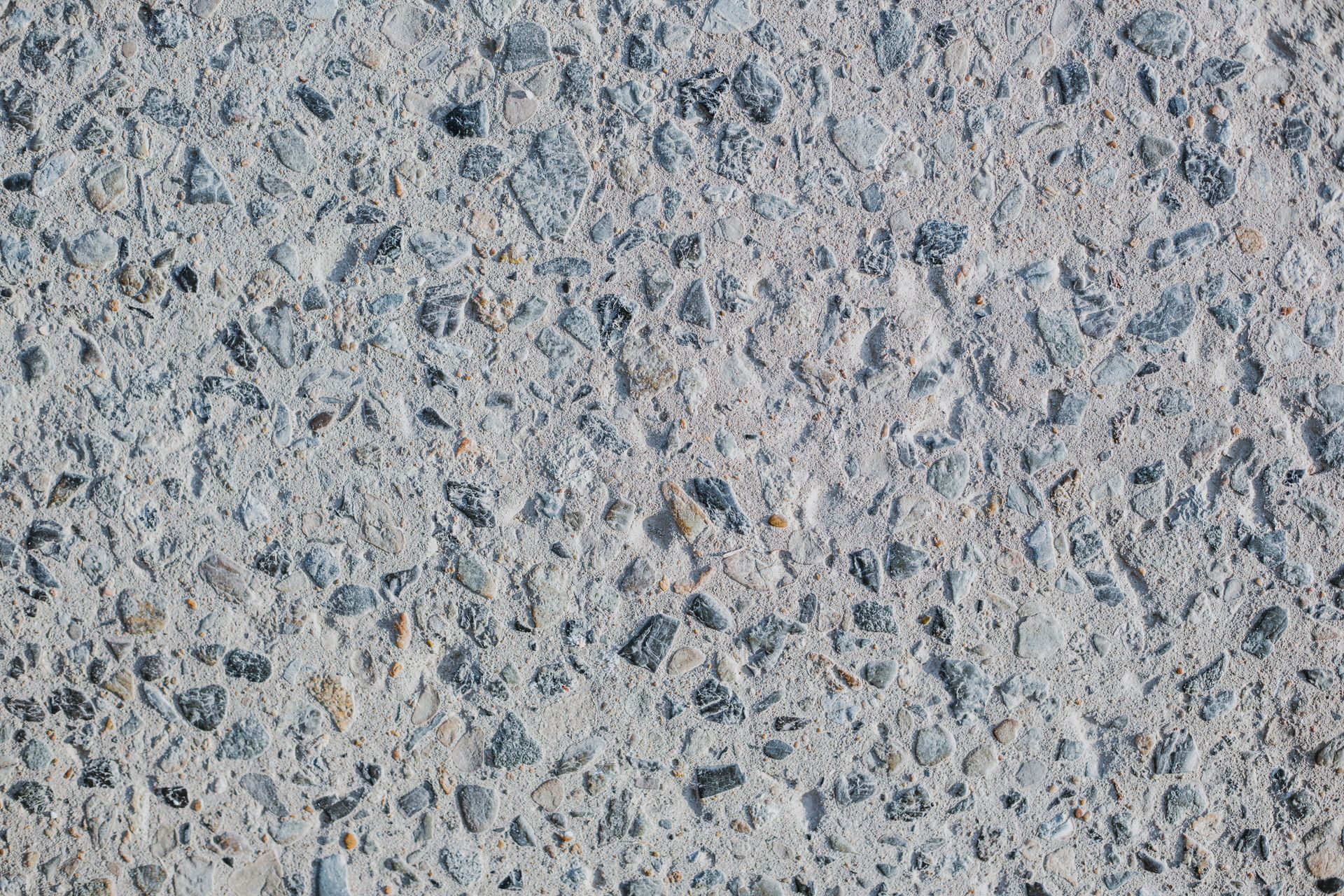
Concrete pads the pos and cons
By Grant Cool February 1, 2026
When you are planning a new addition to your property—whether it’s a shed, a hot tub, a basketball hoop, or a sturdy spot for your grill—the foundation is everything. You need a surface that is stable, durable, and ready to handle whatever you put on it. In most cases, the conversation quickly turns to a concrete pad . A concrete pad is a simple, flat slab of concrete that serves as a base for countless projects. While it may seem like a straightforward solution, it’s a significant structural element that comes with its own set of benefits and challenges. Is it the right choice for your project? At Liberty Concrete, we believe an informed decision is the best decision. We don’t just pour concrete; we partner with you to make sure the foundation you choose fits your goals, budget, and long-term expectations. To help you get started, let’s take an honest look at the pros and cons of installing a concrete pad. The Pros: Why Concrete Pads Are a Popular Choice Concrete has been a foundational building material for centuries, and for good reason. When installed by professionals, a concrete pad offers a combination of strength, longevity, and ease of use that is hard to beat. 1. Unmatched Durability and Strength The number one reason homeowners choose a concrete pad is its sheer strength. When properly mixed, poured, and cured, a concrete slab can withstand immense weight and pressure. This makes it the ideal base for heavy structures like a large workshop, a hot tub filled with water, or even a vehicle. Unlike gravel or pavers that can shift and settle, a professionally installed concrete pad provides a solid, monolithic surface that won’t budge. This stability is crucial for ensuring that your shed doors don’t warp and that your hot tub remains perfectly level. 2. Extremely Low Maintenance Once a concrete pad is installed and sealed, it is one of the lowest-maintenance surfaces you can own. There are no joints to de-weed, no pavers to re-level, and no gravel to rake back into place. Keeping it clean is as simple as sweeping it off or rinsing it with a garden hose. This "set it and forget it" quality is a major selling point for busy homeowners who would rather spend their time enjoying their yard than maintaining it. 3. Versatility for Any Project A concrete pad is a blank canvas. It can be formed into nearly any shape or size, making it adaptable to almost any project you can imagine. Common uses include: Foundations for sheds, garages, and workshops Bases for hot tubs and swim spas Patios for outdoor furniture and grills Kennels for pets Stable spots for trash cans and AC units Small sports courts (basketball, pickleball) This versatility means that a single, well-poured slab can serve multiple purposes throughout its life. 4. Longevity and Weather Resistance A properly installed concrete pad is built to last for decades. It is resistant to rot, insects, and fire. When sealed correctly, it stands up well to rain, snow, and the freeze-thaw cycles that can destroy other materials. This long lifespan often makes it a more cost-effective choice in the long run compared to materials that need frequent replacement, like wood decking. The Cons: What to Consider Before You Pour While we are proud of the durable pads we install, Liberty Concrete believes in full transparency. There are potential drawbacks and considerations that every homeowner should be aware of before committing to concrete. 1. The Reality of Cracking This is a fundamental truth for all concrete: it can crack. We take every possible step to minimize this risk, including meticulous site preparation, proper soil compaction, the use of steel reinforcement (rebar), and the strategic placement of control joints. However, factors like ground settlement and the expansion and contraction from temperature changes can still cause hairline cracks. The good news is that minor cracks are typically cosmetic and do not compromise the structural integrity of the pad. Still, if you are seeking a material that is guaranteed to remain absolutely flawless forever, concrete may not be the right choice. 2. Upfront Cost Compared to simply leveling a patch of ground and putting down gravel, a professionally installed concrete pad represents a higher initial investment. The cost includes labor for excavation and forming, the price of the concrete itself, and materials like rebar and sealant. While its longevity provides great long-term value, the upfront expense can be a hurdle for some budgets. 3. Permanence One of concrete's greatest strengths—its durability—is also a potential weakness. Once a concrete pad is poured, it is there to stay. Removing it is a difficult and expensive process involving heavy machinery. If you are unsure about the location of your shed or think you might want to redesign your landscape in a few years, the permanence of a concrete pad is a major factor to consider. 4. Installation Process Pouring a concrete pad isn't a simple weekend DIY project. It requires expertise in excavation, grading, form-building, and finishing. The process can be messy and will temporarily disrupt your yard. It also requires a period of curing—typically several days—before it can bear any significant weight. This is a contrast to other solutions, like pre-cast paver blocks, which can be used almost immediately. How Liberty Concrete Helps You Decide Choosing the right foundation is a balance between your project needs, your budget, and your long-term plans for your property. When you contact Liberty Concrete, our first step is a conversation, not a sales pitch. We Assess Your Project: What are you putting on the pad? The thickness and reinforcement needed for a hot tub are very different from what’s required for a small tool shed. We design the pad specifically for its intended use. We Evaluate Your Site: We examine your soil, grading, and drainage. A stable pad starts with a stable sub-base. We ensure the site is properly prepared to prevent future settling and cracking. We Provide Clear Options: We help you weigh the upfront cost against the long-term value. We’ll discuss the pros and cons of different thicknesses and finishes and provide a clear, itemized quote so there are no surprises. If you decide a concrete pad is the right path, our skilled team will ensure your installation is performed to the highest standard. From the base preparation to the final trowel finish, we focus on every detail to build a durable, level, and long-lasting foundation for your project. Ready to build on a solid foundation? Contact Liberty Concrete today for an honest, professional consultation and a free quote on your concrete pad installation. Meta Information Meta Title: Pros & Cons of a Concrete Pad | Liberty Concrete Guide Meta Description: Is a concrete pad right for your project? Liberty Concrete explores the pros of durability and the cons of cost and cracking to help you decide.
A guide to stamped concrete
By Grant Cool January 25, 2026
You see it in magazines and high-end neighborhoods—driveways that look like cobblestone, patios that mimic expensive slate, and pool decks that resemble weathered wood. It looks like natural stone or timber, but when you step on it, it feels solid and unmoving. This is the magic of stamped concrete. At Liberty Concrete, we often see clients who fall in love with the look of stamped concrete but aren't sure if it’s a practical choice for their lifestyle or budget. It’s a significant investment in your property, and like any building material, it has its strengths and weaknesses. We believe an informed homeowner makes the best decisions. That’s why we don’t just sell you on a service; we walk you through the reality of living with it. If you are considering upgrading your outdoor space, here is an honest look at the pros and cons of stamped concrete to help you decide if it is the right fit for your project. The Pros: Why Homeowners Love Stamped Concrete There is a reason stamped concrete has become one of the most popular hardscaping choices in the country. When done correctly by professionals like the team at Liberty Concrete, it offers a blend of beauty and functionality that is hard to beat. 1. High-End Aesthetics for Less The biggest draw of stamped concrete is its ability to mimic more expensive materials. Whether you want the rustic charm of brick, the elegance of slate, or the texture of flagstone, stamped concrete can replicate it at a fraction of the cost. Real stone requires quarrying, transporting, and painstaking installation by hand, piece by piece. Stamped concrete is poured all at once and then textured. This process saves significantly on labor and material costs while delivering a high-end look that instantly boosts curb appeal. 2. Incredible Durability Concrete is one of the toughest building materials on the planet. When properly mixed, poured, and reinforced by Liberty Concrete, a stamped concrete patio or driveway can last for decades. It stands up to heavy furniture, foot traffic, and the elements better than many other options. Unlike pavers, which can settle unevenly or loosen over time, stamped concrete is a solid, monolithic slab. You won’t have to worry about tripping hazards caused by shifting stones or weeds growing up through the cracks between pavers. 3. Unlimited Design Customization With stamped concrete, you aren't limited to what is in stock at the stone yard. You have virtually unlimited control over the final look. We can customize the color, pattern, and texture to perfectly match your home’s architecture and your personal style. From rich earth tones to cool grays, and from random stone patterns to uniform brick layouts, the design possibilities are endless. 4. Low Maintenance Requirements Compared to a wood deck that needs regular staining or a paver patio that needs constant weeding and re-sanding, stamped concrete is relatively low maintenance. Generally, all it takes to keep it looking good is a quick sweep and an occasional rinse with a garden hose. The Cons: Factors to Consider While we love stamped concrete, Liberty Concrete believes in transparency. It isn't a "set it and forget it" miracle material. There are potential downsides that you need to be willing to manage. 1. It Can Crack This is the reality of concrete: it cracks. While we take every precaution—using proper control joints, high-quality reinforcement, and the right mix—we cannot guarantee that a slab will never crack. Ground movement, freeze-thaw cycles, and heavy loads can all contribute to surface cracks over time. While minor hairline cracks are often hard to see in the textured pattern of stamped concrete, they can happen. If you are looking for absolute perfection that will never change, concrete might not be the right material for you. 2. It Requires Periodic Sealing To maintain that vibrant color and glossy finish, stamped concrete needs to be resealed every 2 to 3 years. The sealer protects the surface from stains, UV fading, and moisture intrusion. If you skip this maintenance, the colors can fade, and the surface can become dull or susceptible to water damage. 3. It Can Be Slippery The sealer that protects the concrete can also make it slippery when wet, especially around pools. However, this is a manageable issue. At Liberty Concrete, we can add a non-slip additive (often called "shark grip") to the final coat of sealer. This adds a fine, gritty texture that provides traction without ruining the look of the finish. 4. Repairs Can Be Difficult If a section of stamped concrete is damaged or cracks significantly, patching it is challenging. It is very difficult to match the color and pattern of an existing slab perfectly with a new patch. Unlike pavers, where you can simply swap out a broken stone, repairing stamped concrete often requires more extensive work or accepting that the repair might be visible. How Liberty Concrete Helps You Decide Choosing the right material is about balancing your aesthetic goals with your tolerance for maintenance. When you work with Liberty Concrete, we start with a conversation, not a contract. We Assess Your Site: We look at your soil conditions and drainage to see if concrete is a viable option. We Discuss Your Lifestyle: Do you have time for resealing? Do you need a non-slip surface for kids running around a pool? We Compare Costs: We help you weigh the upfront savings of stamped concrete against the long-term value of other materials. If you decide stamped concrete is the right path, our experienced craftsmen ensure the installation is flawless. From the sub-base preparation to the final seal, we don't cut corners. We treat your home like our own, ensuring you get a durable, beautiful surface that you understand how to care for. Don't leave your hardscaping to chance. Contact Liberty Concrete today for an honest consultation and a free quote on your stamped concrete project. Meta Information Meta Title: Stamped Concrete Pros & Cons | Liberty Concrete Guide Meta Description: Is stamped concrete worth it? Liberty Concrete breaks down the durability, cost, and maintenance pros and cons to help you decide.
Concrete joints the pros and cons
By Grant Cool January 17, 2026
Pouring concrete feels like creating something permanent and unbreakable. You watch the smooth, wet mixture settle into place, envisioning a flawless, monolithic slab that will last forever. But then, the contractor pulls out a saw or a grooving tool and starts cutting lines into that perfect surface. It can feel counterintuitive—why cut something you just built? At Liberty Concrete, we understand that these cuts, known as concrete joints, are not mistakes; they are essential engineering. While a seamless slab might look perfect on day one, without joints, it won't stay that way for long. Concrete is a material that moves, shrinks, and expands. If you don't tell it where to crack, it will decide for itself—and it rarely chooses a straight line. Understanding the pros and cons of concrete joints is crucial for any homeowner or business owner planning a project. Here is how Liberty Concrete helps you navigate the necessity of joints to ensure your investment stands the test of time. The Purpose: Why Do We Need Joints? To understand the pros and cons, you first have to understand the "why." Concrete is strong, but it isn't static. As it cures, it loses water and shrinks. Later, as the temperature fluctuates between the freezing winters and baking summers, the slab expands and contracts. Without joints, this internal stress builds up until the tension exceeds the strength of the concrete. The result? Random, jagged cracks that spiderweb across your driveway or patio. Concrete joints serve three main purposes: Crack Control: They create a weakened plane where the concrete can crack in a straight, hidden line rather than randomly across the surface. Movement Accommodation: They allow separate slabs to move independently without crushing each other. Construction Management: They allow us to stop pouring at the end of the day and resume later without creating a weak spot. The Pros: Why Joints Are Your Concrete’s Best Friend When Liberty Concrete plans a project, we strategically place joints to maximize these benefits. 1. Controlled Cracking (Aesthetics) The biggest "pro" is aesthetic control. We know concrete will crack—it is an inevitability of the material. By cutting control joints (also called contraction joints), we essentially "hide" the crack at the bottom of a neat, straight groove. To the eye, the surface remains pristine, while the physics of shrinking happens invisibly below the surface. 2. Enhanced Durability and Longevity Expansion joints are particularly critical for longevity. These are the joints that separate your driveway from your garage floor or your sidewalk from the curb. They are filled with a flexible material that acts like a shock absorber. When a heatwave hits and the concrete expands, these joints compress, preventing the slabs from buckling or crushing the edges against immovable objects. 3. Structural Integrity By allowing the concrete to move, joints prevent internal stresses that could compromise the load-bearing capacity of the slab. A slab that cracks randomly is unpredictable; a slab that cracks along a control joint retains its structural cohesion because the aggregate (stones) within the crack interlock, keeping the surfaces level. The Cons: The Challenges of Jointing While necessary, joints are not without their downsides. Liberty Concrete believes in transparency, so here are the challenges we help our clients manage. 1. Aesthetic Interruption For those dreaming of a seamless, infinite gray expanse, the grid pattern of control joints can be visually distracting. While we can use decorative techniques to incorporate joints into a pattern (like a tile look), they break up the visual flow of the surface. 2. Maintenance Requirements Joints are the "high maintenance" part of a concrete slab. They are essentially grooves that love to collect dirt, debris, and weed seeds. If not cleaned regularly, you can end up with grass growing in your driveway grid. Furthermore, expansion joints use flexible fillers (like felt, fiber, or rubber) that can degrade over time and need replacement. 3. Water Intrusion Risks If a joint isn't sealed properly, it becomes a gateway for water to get under the slab. In freezing climates, this water can freeze and heave the concrete. In other areas, it can wash away the subbase, leading to sunken slabs. Liberty Concrete mitigates this by using proper joint sealants that keep water out while still allowing movement. 4. Tripping Hazards (If Neglected) Over many years, if the subbase settles unevenly, the separate sections of concrete defined by the joints can shift heights. This creates "lippage," where one side of the joint is higher than the other, creating a potential trip hazard that may require grinding or mudjacking to fix. The Different Players: Types of Joints We Use At Liberty Concrete, we don't just cut lines at random. We use specific types of joints for specific engineering needs. Control (Contraction) Joints: These are the most common. We either groove them while the concrete is wet or saw-cut them once it hardens. They typically go about 1/4 of the way through the slab depth. Expansion (Isolation) Joints: These separate the slab from other structures (walls, columns, other slabs). They go all the way through the depth of the concrete to ensure zero contact between the two elements. Construction Joints: These occur where we stop pouring for the day. We use keyed bulkheads or dowels (steel rods) to link the two separate pours together so they act as one unit while still allowing for a clean stop-start point. Making the Right Choice with Liberty Concrete The "pros" of joints—structural safety and crack control—vastly outweigh the "cons." The downsides like maintenance and aesthetics can be easily managed with the right planning and care. That is where Liberty Concrete comes in. We don't just pour; we plan. We calculate the optimal spacing for joints based on the thickness of your slab and the specific mix we are using. We can also discuss sealing options that fill the joints with a color-matched flexible caulk, keeping debris out and making the lines disappear visually. Don't let the fear of cracks ruin your project. Let us engineer a solution that embraces the nature of concrete while delivering the beautiful, durable finish you expect. Have questions about your concrete project? Contact Liberty Concrete today for professional advice on joint layout, installation, and maintenance. Meta Information Meta Title: Pros and Cons of Concrete Joints | Liberty Concrete Meta Description: Are concrete joints necessary? Liberty Concrete explains the pros and cons of control and expansion joints, from preventing cracks to maintenance needs.