Concrete Planters: A Smarter Way to Upgrade Your Outdoor Space with Liberty Concrete
Your outdoor space says a lot about your home. But if your patio feels flat, your entryway lacks personality, or your garden beds look unfinished, the fix might be simpler than you think. Concrete planters give you a durable, stylish way to add structure and life to any outdoor area — and Liberty Concrete is here to help you make it happen. Whether you want a clean modern look or something more rustic and natural, concrete planters work across nearly every style and setting. Here is what you need to know about why they work so well and how to use them throughout your property.
Why Concrete Planters Outperform the Alternatives
Walk into any garden center and you will find plastic, resin, terracotta, and wood planters lining the shelves. They all have their appeal. But most of them share the same weaknesses: they crack, fade, warp, tip over in the wind, or fall apart after a few seasons outdoors. Concrete planters solve most of those problems before they start.
Built to Last
Concrete handles weather extremes that destroy other materials. It does not crack from sun exposure, warp after heavy rain, or deteriorate from one hard freeze to the next. A well-made concrete planter holds its shape and finish for years without the constant replacement costs of cheaper options.
Stability You Can Count On
Tall grasses, large shrubs, and climbing plants all create top-heavy weight that tips lightweight planters over. Concrete stays put. That added weight keeps your plants upright through wind, storms, and accidental bumps — a real advantage for high-traffic areas like entryways and patio edges.
Style That Adapts to Any Space
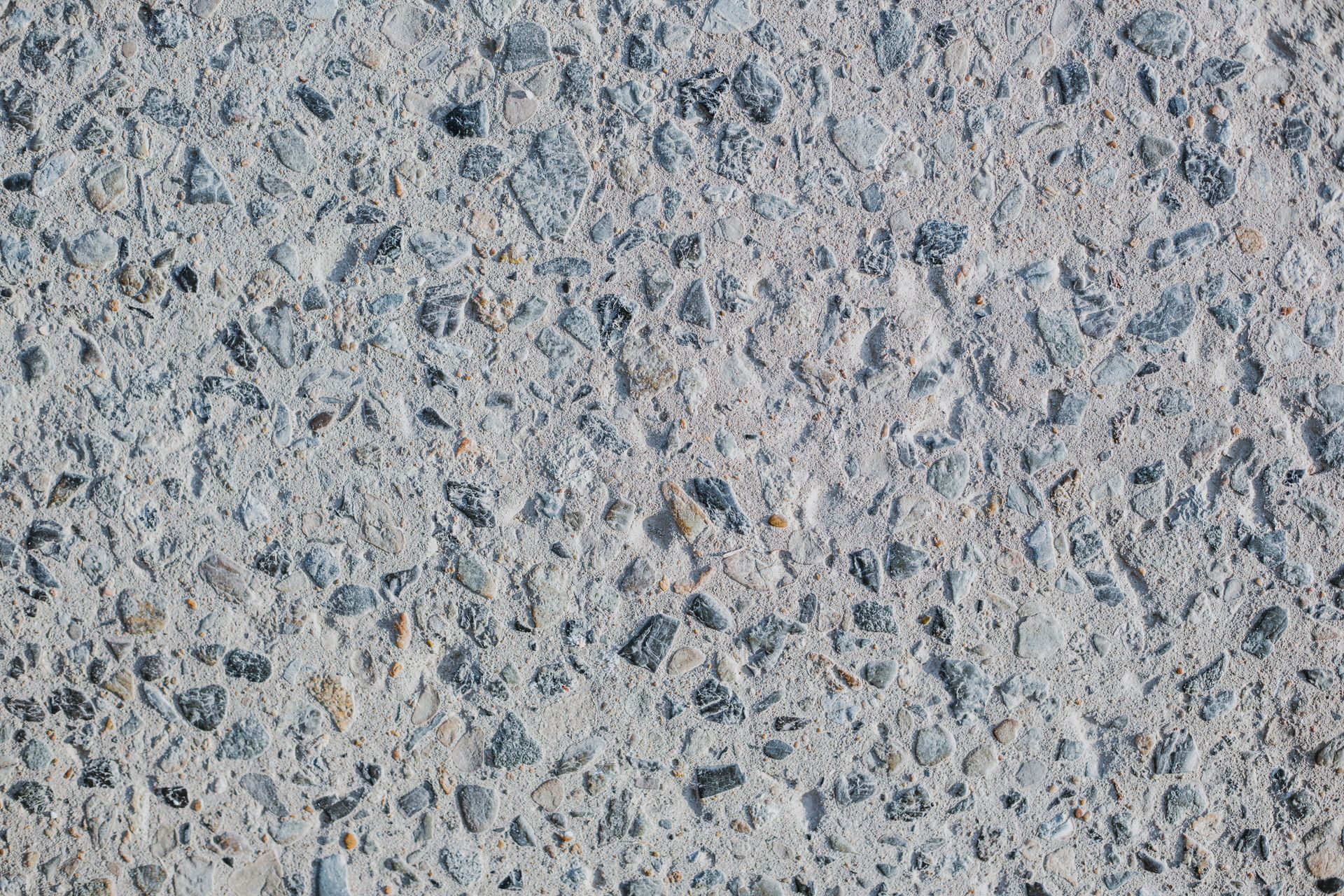
Concrete is not a one-look material. You can cast it smooth for a sleek, contemporary finish. You can texture it to look like natural stone. You can tint it to match your home's exterior colors or contrast sharply against your landscaping. The flexibility makes concrete planters a natural fit for virtually any design direction — from minimalist modern to classic garden style.
The Right Environment for Plants
Concrete planters naturally regulate soil temperature better than thin plastic or metal containers. The material breathes slightly, which reduces the risk of root rot in plants that prefer drier conditions. It also holds up to the weight of deeper soil beds, making it a practical choice for larger plants with established root systems.
Where Concrete Planters Make the Biggest Impact
The right planter in the right location transforms how a space feels. Here are the areas of your property where concrete planters deliver the most value.
Patios and Outdoor Living Areas
A patio without greenery often feels incomplete. Concrete planters let you define the edges of your seating area, add color through seasonal flowers, or frame a focal point like a fire pit or dining table. A pair of large planters flanking your outdoor sofa creates a natural room boundary. Smaller planters scattered across the patio surface add texture and warmth without cluttering the space.
Try mixing plant heights — low trailing plants in wide, shallow planters alongside taller ornamental grasses in deeper containers. The layered look adds depth and makes the space feel deliberately designed rather than thrown together.
Entryways and Front Walkways
First impressions start before anyone reaches your front door. A matched pair of concrete planters at the entrance makes your home feel polished and welcoming. Choose plants with year-round interest — evergreen shrubs, ornamental cabbages in fall, or flowering annuals in summer — to keep the look fresh across every season. Along a walkway, a series of evenly spaced planters guides visitors naturally toward your entrance while adding visual rhythm to the path. It is a small detail that makes a significant difference in curb appeal.
Garden Beds and Landscape Borders
Concrete planters do not have to sit in isolation. Place them within an existing garden bed to elevate certain plants above the surrounding ground level. This creates visual variety and draws attention to specimen plants you want to highlight. You can also use low, wide concrete planters as functional garden borders. They hold soil in raised beds, define planting zones, and add a clean, structured edge that keeps mulch and soil from spreading onto paths and lawn areas.
Poolside and Courtyard Settings
Around pools and in enclosed courtyards, concrete planters are an especially smart choice. They will not fade from reflected sunlight or absorb moisture in the way that wood or composite materials do. Large concrete planters with tropical plants or tall ornamental grasses create natural privacy screens without requiring permanent construction.
Choosing the Right Plants for Concrete Planters
The material works with a wide range of plants, but some perform better than others.
- Succulents and cacti thrive in the slightly drier soil environment concrete promotes
- Mediterranean herbs like rosemary, lavender, and thyme love the drainage and warmth
- Ornamental grasses suit large, deep planters and add year-round movement and texture
- Annual flowers like petunias, marigolds, and calibrachoa pack color into smaller containers
- Dwarf shrubs and topiaries work well in statement planters near entryways or seating areas
The size of your planter should match the root depth your plants need. Liberty Concrete can help you think through sizing so your plants have the room they need to grow strong.
Common Mistakes to Avoid
Even a great planter falls short without proper planning. Keep these pitfalls in mind:
- Skipping drainage holes: Without drainage, water pools at the bottom and rots roots. Always plan for drainage when designing or ordering concrete planters.
- Undersizing the container: A small planter restricts root growth and dries out too quickly. Match container volume to the plant's mature size, not its size at purchase.
- Ignoring placement weight: Concrete planters are heavy. If you plan to place them on a deck, wood surface, or elevated area, check the load capacity before filling them with soil.
- Planting without proper soil mix: Standard garden soil compacts in containers. Use a quality potting mix designed for container planting to keep roots healthy and well-aerated.
How Liberty Concrete Helps You Get It Right
You do not have to figure this out alone. Liberty Concrete brings local expertise and hands-on knowledge to every project. Whether you want a single statement planter for your front door or a full collection to anchor a patio redesign, our team helps you plan with confidence. We guide you through material options, sizing decisions, and finishing choices so your planters complement your home rather than clash with it.
We also provide the high-quality concrete materials needed to build planters that hold up season after season. If you are thinking about a broader outdoor upgrade — a new patio, garden borders, decorative walkways — concrete planters fit naturally into that larger plan. Liberty Concrete helps you see the full picture and build toward it step by step.
Take the First Step Toward a Better Outdoor Space
A few well-placed concrete planters can change the entire feel of your yard, patio, or entryway. They last longer, look better, and outperform most alternatives in nearly every condition. Contact Liberty Concrete today to discuss your concrete planter ideas. Our team will provide the materials, guidance, and local expertise you need to bring your outdoor vision to life.
You might also like
Liberty Concrete | Blog