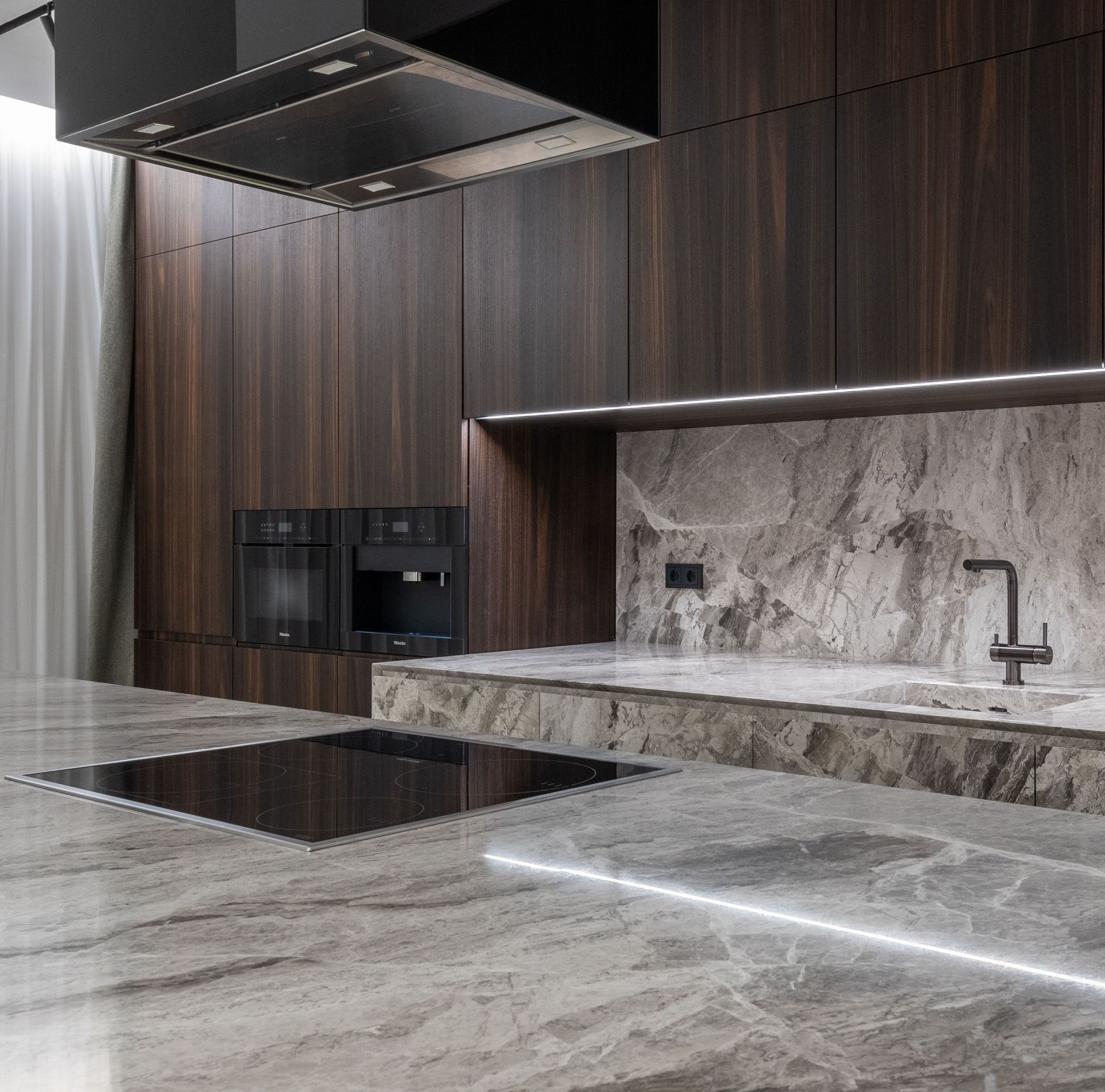
Design Your Dream Outdoor Concrete Kitchen With Liberty Concrete

Grant Cool • July 1, 2026

An outdoor kitchen turns a plain backyard into the heart of your home. It's where weekend cookouts, family dinners, and summer parties come to life. But building one that lasts—and looks incredible—takes more than a grill and a few pavers. It takes the right materials, smart design, and expert guidance.


That's where Liberty Concrete comes in. As your local concrete specialist, the team helps homeowners design, customize, and build outdoor concrete kitchens made for the way you cook and entertain. In this post, you'll learn why concrete is the smart choice for an outdoor kitchen, the design elements worth considering, how the process works from start to finish, and which concrete type fits your project best.


Why Choose Concrete for Your Outdoor Kitchen?

Concrete has become the go-to material for outdoor kitchens, and for good reason. It combines strength, style, and staying power in a way few other materials can match. When you weigh it against tile, wood, or prefabricated stone, the advantages stack up quickly.


Built to Last for Decades

An outdoor kitchen takes daily abuse—hot pans, spilled drinks, constant use, and full exposure to the elements. Concrete handles all of it. It won't rot like wood or rust like metal, and a properly sealed surface resists chips, cracks, and heavy wear. Once it's built right, your kitchen becomes a permanent feature that holds its shape and function for years.


Weather Resistance That Holds Up

Outdoor surfaces face intense sun, rain, wind, and sharp temperature swings. Properly sealed concrete shrugs it all off. It resists UV fading, moisture, and the kind of breakdown that ruins cheaper materials. Your countertops and islands stay sharp through blazing summers and cold winters alike.


Almost No Maintenance Required

Concrete asks very little of you. A wipe-down with mild soap and water keeps most surfaces looking pristine. There's no annual staining or sealing marathon like you'd face with wood, and concrete naturally resists mold and mildew. Periodic resealing is the one task worth keeping up, and it protects against stains for years.


Endless Customization

This is where concrete truly shines. Because it's cast in molds, it can take almost any shape, size, or finish you want. You're not limited to standard slab dimensions or a handful of colors. From a curved bar top to a color-matched island, your kitchen can be built to your exact vision—not pieced together from off-the-shelf parts.


Popular Design Elements for an Outdoor Concrete Kitchen

A great outdoor kitchen is more than a cooktop. The right mix of features makes it functional, beautiful, and built for gathering. Here are the elements homeowners love most.


Concrete Countertops

Countertops are the workhorse of any outdoor kitchen. Concrete versions deliver the upscale look of natural stone with better durability and full customization. They're heat-resistant, cast to your exact dimensions, and available in nearly any color or texture. Whether you want a smooth polished surface or a rugged stone-look finish, the choice is yours.


Kitchen Islands

A concrete island anchors the whole space. It offers prep room, storage, and casual seating in one central hub. Cast as a solid, seamless piece, an island stands up to years of use without wobbling or wearing down—and it becomes the natural gathering point for guests.


Outdoor Bars

Nothing elevates entertaining like a dedicated outdoor bar. A concrete bar top pairs beautifully with stools and can include built-in features like a sink, ice well, or beverage fridge. The seamless surface wipes clean in seconds, so cleanup never slows the party down.


Built-In Grills and Cooktops

Concrete surrounds are ideal for built-in grills because they're naturally heat-resistant and won't warp near high temperatures. A custom concrete grill station integrates your cooktop cleanly into the design, replacing that bulky freestanding grill with a polished, permanent centerpiece.


Fire Features

A concrete fire pit or fireplace extends your kitchen's use well into the cooler months. Concrete handles high heat with ease, making it perfect for fire feature surrounds and surrounding seating. It turns an outdoor kitchen into a true year-round gathering space.


Quick tip: Pick the two or three features that fit how you actually entertain. Build around those first, then expand later if you want.


GFRC vs. Solid-Cast Concrete: Which Fits Your Kitchen?

Not all concrete is built the same way, and the right type depends on your layout and goals. Liberty Concrete helps you weigh both options for each part of your kitchen.


When Solid-Cast Concrete Makes Sense

Traditional solid-cast concrete is heavy and permanent—there's no way around it. For built-in countertops, islands, and grill surrounds that stay in one place, that weight is a real advantage. Choose solid-cast when:

  • The feature is a permanent fixture that won't move.
  • You want maximum durability for a high-use surface.
  • You need a rugged, substantial feel.


When GFRC Is the Better Choice

Glass fiber reinforced concrete (GFRC) is reinforced with glass fibers, which lets it be cast in thinner sections without sacrificing strength. The result is significantly lighter than standard concrete with comparable durability. GFRC works best when:

  • A piece needs to go on a deck, balcony, or raised structure.
  • You want intricate detail, curved edges, or a sleeker profile.
  • Weight limits or installation access are a concern.


Many outdoor kitchens use a smart mix of both. Liberty Concrete walks you through which type fits each element based on placement, weight, and how you'll use the space.


How Liberty Concrete Designs and Builds Your Kitchen

Sourcing prefabricated pieces from a big-box retailer limits you to standard sizes and finishes. Working with a local expert means every element is built for your space, your style, and your climate. Liberty Concrete guides you through the entire process.

  1. Planning your layout. The team starts by learning your space, how you cook, and how you entertain. They map out a functional flow—prep zones, cooking areas, and seating—that makes the kitchen effortless to use.
  2. Selecting the right materials. Based on placement, weight, and exposure, they recommend solid-cast or GFRC for each feature and help you choose durable, weather-ready surfaces.
  3. Choosing custom finishes and colors. From integral pigments to surface stains and specialty finishes like wood-look concrete, you personalize every detail to match your home and outdoor style.
  4. Building and installing locally. Because the team works right here, you get accurate measurements, reliable scheduling, and professional installation from start to finish.

The result is an outdoor kitchen designed for your life—not a generic setup that happens to fit.


Common Mistakes to Avoid

A few oversights can undercut an otherwise great project. Keep these in mind:

  • Skipping the sealer. Unsealed concrete stains and absorbs moisture more easily. Make sure surfaces are sealed and resealed on schedule.
  • Poor layout planning. A kitchen with cramped prep space or awkward flow frustrates you every time you cook. Plan the layout before choosing finishes.
  • Ignoring the climate. Materials and sealers should suit your local weather. Local expertise makes the difference here.
  • Buying prefabricated. Off-the-shelf pieces rarely fit your exact space. Custom work looks more intentional and lasts longer.

Getting these details right from the start saves you time, money, and frustration down the road.


Frequently Asked Questions


Is a concrete outdoor kitchen worth the investment?
Yes. Concrete's durability, low maintenance, and custom design make it a lasting feature that adds real value and years of enjoyment to your home.


Can concrete countertops handle heat from a grill?
Concrete is naturally heat-resistant, which makes it a strong choice near grills and cooktops. Sealing and proper trivets are still smart for protecting the finish long-term.


How do I maintain an outdoor concrete kitchen?
Clean surfaces with mild soap and water, and reseal periodically to guard against stains and moisture. Avoid abrasive cleaners that can strip the sealer.


Can Liberty Concrete match a specific color or style?
Yes. Because pieces are cast in molds, almost any shape, color, or texture is possible—including finishes designed to complement your home's existing look.


Should I use GFRC or solid-cast concrete?
It depends on the feature. Solid-cast suits permanent, heavy-use surfaces, while GFRC works better for lighter, detailed, or raised installations. Liberty Concrete helps you decide for each element.


Build the Outdoor Kitchen You've Always Wanted

An outdoor concrete kitchen delivers a rare mix of durability, weather resistance, low maintenance, and custom style. From countertops and islands to bars, fire features, and built-in grills, the possibilities are broader than most homeowners expect—and the right guidance brings it all together. The smartest first step is expert help. Liberty Concrete works with you from layout planning to the final finish, building a kitchen made for how you cook, gather, and entertain. Contact Liberty Concrete today to talk through your ideas and start designing the outdoor concrete kitchen of your dreams.


Meta Title: Outdoor Concrete Kitchen Design | Liberty Concrete

Meta Description: Design your dream outdoor concrete kitchen with Liberty Concrete. Get expert help with countertops, islands, fire features, custom finishes, and installation.


You might also like

Liberty Concrete | Blog
Outdoor concrete bench set with curved seats around a small round table on tiled pavement
By Grant Cool June 17, 2026
Concrete furniture is a durable, low-maintenance, and highly customizable option for both indoor and outdoor spaces. From garden benches and dining tables to firepit surrounds and shelving, concrete pieces can last decades with minimal upkeep—and Liberty Concrete can help you explore the right options for your home or project. Concrete has a reputation for being cold, industrial, and strictly structural. But the material has quietly earned a new role in modern home design—one that goes far beyond driveways and foundations. Homeowners and designers alike are turning to concrete for furniture pieces that are as functional as they are striking. The global concrete furniture market is growing at a compound annual growth rate (CAGR) of approximately 7%, according to Research Corridor. That growth reflects a real shift in how people think about the material—not just as a building block, but as a design statement. Concrete benches anchor outdoor patios. Concrete dining tables become conversation pieces. Concrete shelving brings raw, textural interest to living rooms and kitchens. At Liberty Concrete in Green Bay, WI, we work with homeowners, contractors, and designers to explore concrete possibilities beyond the obvious. If you've been curious about concrete furniture —what's possible, what it costs, and how it holds up—this guide covers everything you need to know. What Kinds of Furniture Can Be Made from Concrete? Concrete is remarkably versatile. It can be cast into almost any shape, finished in a range of textures, and customized with color pigments or aggregates. Here are some of the most popular concrete furniture options for both indoor and outdoor spaces. Outdoor Concrete Furniture Ideas Benches and seating: A concrete bench is one of the most common and practical uses of the material outdoors. Unlike wood or metal alternatives, a concrete bench won't rot, rust, or need refinishing after a Wisconsin winter. It can be cast in place or fabricated off-site and installed in a garden, along a walkway, or as part of a fire pit area. Outdoor dining tables: A concrete dining table on a patio or deck creates a permanent, weather-resistant gathering spot. The surface can be sealed and polished for a smooth, modern look, or left with a raw, textured finish for something more organic. Planters and garden borders: Concrete planters and raised garden beds combine function with form. They handle freeze-thaw cycles well, making them a smart choice for Green Bay's climate. Fire pit surrounds: Concrete is naturally heat-resistant, making it a practical and visually clean option for fire pit enclosures and surrounding seating. Indoor Concrete Furniture Ideas Dining and kitchen tables: A polished concrete tabletop brings a tactile, artisan quality to a dining room or kitchen. It pairs naturally with wood, metal, and leather, fitting into industrial, modern farmhouse, and minimalist interiors alike. Coffee tables and side tables: Smaller concrete pieces—like coffee tables and bedside tables—let you introduce the material in a subtle way before committing to larger pieces. Shelving and countertops: Concrete shelves and countertops are increasingly popular in kitchens and bathrooms. They're durable, heat-resistant, and can be customized to match any aesthetic. TV consoles and media units: A concrete media console adds architectural weight to a living space without overwhelming it. Paired with lighter materials like wood or glass, the contrast works beautifully. What Are the Benefits of Concrete Furniture? How long does concrete furniture actually last? Properly constructed and maintained concrete can last 50 to 100 years or more, according to the Concrete Network. For furniture, that means a well-made concrete bench or table can genuinely outlast the home it belongs to. No other common furniture material—wood, metal, wicker—comes close to that kind of longevity. The key factors are quality construction and proper sealing. A concrete piece that's been correctly mixed, cast, and sealed will resist moisture, cracking, and staining for decades. Is concrete furniture low maintenance? Yes—and that's one of its biggest practical advantages. Concrete furniture doesn't need painting, staining, or refinishing. The main maintenance task is resealing the surface every one to two years, depending on use and exposure. This process takes about five minutes and keeps the concrete protected from stains and moisture penetration. For day-to-day cleaning, mild soap and water is all you need. Avoid harsh chemicals, which can degrade the sealer over time. Can concrete furniture be customized? Concrete is one of the most customizable furniture materials available. Color pigments can be mixed into the concrete itself for a consistent tone, or applied to the surface for more varied, layered effects. Aggregates like crushed glass, pebbles, or stone can be embedded in the surface for texture and visual interest. Shape is equally flexible. Because concrete is cast in molds, it can be formed into curves, geometric angles, or bespoke dimensions that off-the-shelf furniture simply can't offer. Is modern concrete furniture too heavy to move? Traditional cast concrete is heavy—there's no getting around that. A full concrete dining table, for instance, is typically a permanent fixture. But glass fiber reinforced concrete (GFRC), a modern variation, is up to 75% lighter than standard concrete, according to the Concrete Countertop Institute. GFRC can be cast in thinner sections without losing structural integrity, making it a practical option for pieces that need to be moved or installed on upper floors. Does concrete furniture suit modern aesthetics? Concrete's natural texture and neutral tones fit naturally into a wide range of design styles—industrial, modern, Scandinavian, and contemporary. The material photographs well, ages gracefully, and gains character over time as minor patina develops on the surface. Why Work with a Local Concrete Expert? Sourcing concrete furniture from a mass-market retailer limits your options to standard sizes, shapes, and finishes. Working with a local concrete professional means the piece is built specifically for your space, your style, and your climate. Green Bay's freeze-thaw cycles put outdoor materials through real stress every year. A locally crafted concrete bench or planter, designed with the right mix and sealed appropriately, will hold up far better than a generic imported piece that wasn't built with Wisconsin winters in mind. Liberty Concrete brings that local knowledge to every project. Whether you're looking for a single custom bench for your backyard or exploring concrete furniture options for an entire outdoor entertaining area, our team can walk you through the design process, material choices, and maintenance requirements from start to finish. Ready to Explore Concrete Furniture for Your Home? Concrete furniture isn't a trend—it's a long-term investment in pieces that look better with age and require almost no upkeep. From outdoor benches and fire pit seating to indoor dining tables and countertops, the options are broader than most people expect. Liberty Concrete is here to help Green Bay homeowners and businesses find concrete solutions that work for their space. Contact our team today to discuss your concrete furniture ideas and get expert guidance on what's possible for your project. Frequently Asked Questions About Concrete Furniture Is concrete furniture suitable for cold climates like Green Bay, WI? Yes. Concrete that is properly mixed, sealed, and maintained handles freeze-thaw cycles well. The key is using a high-quality sealer and reapplying it every one to two years to prevent moisture from penetrating the surface and causing cracking. How much does custom concrete furniture cost compared to store-bought alternatives? Custom concrete furniture typically costs more upfront than mass-produced alternatives, but the lifespan—50 to 100 years or more with proper care—means the long-term cost per year is often lower. Price varies depending on size, complexity, and finish. What is GFRC, and is it a better option than standard concrete for furniture? GFRC (glass fiber reinforced concrete) is a modern concrete formulation reinforced with glass fibers. It is up to 75% lighter than traditional concrete while maintaining comparable strength, according to the Concrete Countertop Institute. GFRC is ideal for large or intricate furniture pieces where weight is a practical concern. How do I maintain a concrete dining table or bench? Clean with mild soap and water as needed. Reseal the surface every one to two years using a concrete-specific sealer. Avoid placing hot objects directly on unsealed surfaces or using abrasive cleaners that can strip the sealant. Can Liberty Concrete create custom shapes and sizes? Yes. Because concrete furniture is cast in molds, it can be fabricated to almost any dimension or shape. Custom pigments, aggregates, and surface finishes are also available to match your specific design preferences. Meta data Meta title: Concrete Furniture Ideas: Benches, Tables & More Meta description: Explore concrete furniture ideas for your home or outdoor space. Learn the benefits of durability, customization & low maintenance—then contact Liberty Concrete for expert guidance.
Stone stepping path through a lush green garden with wildflowers
By Grant Cool June 9, 2026
A great yard is about more than grass and plants. It is about how you move through the space, where your eye lands, and how easy it feels to actually use your outdoor areas. Concrete stepping stones solve all three at once. If your lawn gets muddy in the same worn path, your garden lacks a clear route, or your backyard feels disconnected, stepping stones offer a simple, lasting fix. At Liberty Concrete, we help homeowners design and place concrete stepping stones that look great, hold up for decades, and bring real function to every corner of the yard. Here is what you will learn: Why concrete stepping stones outperform other materials The biggest benefits, from durability to accessibility Smart placement ideas for gardens, paths, and patios How Liberty Concrete supports your project from start to finish Why Concrete Is the Right Choice for Stepping Stones You have options when it comes to stepping stones — natural flagstone, brick, gravel, wood rounds. They all have a place, but most come with trade-offs. Flagstone gets pricey and uneven. Wood rots. Gravel shifts and scatters. Brick chips and loosens over time. Concrete sidesteps those problems. Built to Last for Decades Concrete stepping stones stand up to heat, freezing temperatures, heavy foot traffic, and constant moisture without breaking down. They will not rot, warp, or wash away. Once they are set properly, you are looking at a feature that holds its shape and function for years with almost no attention. Almost No Maintenance Required Wood needs sealing. Gravel needs raking and refilling. Concrete stepping stones need an occasional rinse and that is about it. For homeowners who want their yard to look good without adding another weekend chore, that low-maintenance quality is hard to beat. Safer, More Stable Footing Loose materials shift underfoot, which becomes a real hazard over time. Properly installed concrete stepping stones stay put. That stability matters for kids, older family members, and anyone carrying groceries or garden tools across the yard. The Real Benefits of Adding Stepping Stones Stepping stones do more than fill space. They change how your yard works. They Define Your Walkways An unmarked path across a lawn turns into a muddy, worn strip over time. Stepping stones give that route structure and intention. They tell people where to walk, protect your grass from constant traffic, and make the whole yard feel more organized. They Improve Accessibility Crossing a wet lawn or a soft garden bed is awkward and messy. A line of stepping stones gives you stable, dry footing from point A to point B — whether that is the shed, the garden, the side gate, or the back patio. So you can move through your yard comfortably in any season. They Add Visual Appeal Concrete is far more versatile than people expect. You can finish it smooth for a clean, modern look or stamp and texture it to resemble natural stone. Integral tinting runs color all the way through, so it never peels or fades. Stepping stones can match your patio, complement your home's exterior, or create a deliberate contrast against your greenery. They Connect Your Outdoor Spaces A backyard often feels like a set of separate zones — patio here, garden there, fire pit in the corner. Stepping stones tie those areas together into one cohesive landscape, guiding the eye and the foot from one space to the next. Smart Ways to Use Concrete Stepping Stones Around Your Yard The right stones in the right spot transform how an outdoor space feels and functions. Here are the placements that consistently deliver the most value. Garden Paths Stepping stones let you walk through garden beds without compacting soil or trampling plants. Set them between rows so you can tend, weed, and harvest with clean, dry footing. Curved paths feel natural and relaxed, while straight runs read as more formal and structured. Side Yards Side yards take a beating. They are narrow, often shaded, and prone to mud where everyone walks the same line. A run of stepping stones turns that overlooked strip into a clean, usable passage between your front and back yards — no more muddy shoes or worn grass. Lawn Paths A series of evenly spaced stones across an open lawn creates a defined route that protects your grass and adds visual rhythm. Space them to match a comfortable, natural stride so the path feels effortless to walk. This is one of the simplest upgrades for a yard that gets daily foot traffic. Patios and Transitions Stepping stones bridge the gap between a patio and the rest of the yard beautifully. Use them to lead from a back door to a seating area, or from the patio edge out to a garden or fire pit. They create a smooth, intentional transition instead of an abrupt drop-off into the lawn. Backyard Landscapes In larger backyards, stepping stones connect everything — the shed, the vegetable garden, the play area, the gathering spots. They turn a scattered collection of zones into a landscape that flows. Mixing stone sizes and spacing adds character and keeps the design from feeling rigid. Avoiding Common Stepping Stone Mistakes A few small oversights can turn a great idea into a frustrating one. Watch for these before you start. Skipping a proper base. Stones set directly on loose soil sink and tilt over time. A compacted base of sand or gravel keeps them level and stable for the long haul. Spacing them wrong. Stones placed too far apart force an awkward stride; too close and the path feels cluttered. Match the spacing to a comfortable, natural step. Setting them too high. Stones that sit above lawn level become trip hazards and make mowing a chore. Set them flush with the surrounding grass for easy maintenance. Choosing the wrong size. A path that gets heavy traffic needs larger, more stable stones than a decorative garden accent. Think about how the path will actually be used. Getting these details right from the start saves time, money, and frustration down the road. How Liberty Concrete Supports Your Project At Liberty Concrete, we bring hands-on local knowledge to every project. We help you think through layout, spacing, sizing, and finish so your stepping stones complement your yard rather than feel like an afterthought. We supply quality materials built to handle local weather, and we guide you through the planning process from your first idea to a finished result you are proud of. If your stepping stone project connects to a bigger outdoor upgrade — a new patio, a garden border, a decorative walkway — we can help you plan those pieces together so everything works as one cohesive design. We are not just a materials supplier. We are your local partner at every step of the project. Build a Yard That Works Beautifully Concrete stepping stones are one of the most practical and rewarding upgrades you can make to your yard. They outlast the alternatives, ask almost nothing in maintenance, and bring both function and polish to your outdoor space. Whether you want a simple garden path or a complete network connecting your whole backyard, the right stepping stones make daily life easier and your landscape more inviting. Contact Liberty Concrete today to talk through your concrete stepping stone ideas. Our team will provide the materials, honest guidance, and local expertise you need to create a yard that looks great and holds up for years to come. Meta Title: Why Concrete Stepping Stones Belong in Your Yard | Liberty Concrete Meta Description: Discover the benefits of concrete stepping stones and smart placement ideas. Contact Liberty Concrete for expert guidance on your yard upgrade.
Yellow flowers overflowing from a gray stone planter outdoors
By Grant Cool June 3, 2026
Your outdoor space says a lot about your home. But if your patio feels flat, your entryway lacks personality, or your garden beds look unfinished, the fix might be simpler than you think. Concrete planters give you a durable, stylish way to add structure and life to any outdoor area — and Liberty Concrete is here to help you make it happen. Whether you want a clean modern look or something more rustic and natural, concrete planters work across nearly every style and setting. Here is what you need to know about why they work so well and how to use them throughout your property. Why Concrete Planters Outperform the Alternatives Walk into any garden center and you will find plastic, resin, terracotta, and wood planters lining the shelves. They all have their appeal. But most of them share the same weaknesses: they crack, fade, warp, tip over in the wind, or fall apart after a few seasons outdoors. Concrete planters solve most of those problems before they start. Built to Last Concrete handles weather extremes that destroy other materials. It does not crack from sun exposure, warp after heavy rain, or deteriorate from one hard freeze to the next. A well-made concrete planter holds its shape and finish for years without the constant replacement costs of cheaper options. Stability You Can Count On Tall grasses, large shrubs, and climbing plants all create top-heavy weight that tips lightweight planters over. Concrete stays put. That added weight keeps your plants upright through wind, storms, and accidental bumps — a real advantage for high-traffic areas like entryways and patio edges. Style That Adapts to Any Space Concrete is not a one-look material. You can cast it smooth for a sleek, contemporary finish. You can texture it to look like natural stone. You can tint it to match your home's exterior colors or contrast sharply against your landscaping. The flexibility makes concrete planters a natural fit for virtually any design direction — from minimalist modern to classic garden style. The Right Environment for Plants Concrete planters naturally regulate soil temperature better than thin plastic or metal containers. The material breathes slightly, which reduces the risk of root rot in plants that prefer drier conditions. It also holds up to the weight of deeper soil beds, making it a practical choice for larger plants with established root systems. Where Concrete Planters Make the Biggest Impact The right planter in the right location transforms how a space feels. Here are the areas of your property where concrete planters deliver the most value. Patios and Outdoor Living Areas A patio without greenery often feels incomplete. Concrete planters let you define the edges of your seating area, add color through seasonal flowers, or frame a focal point like a fire pit or dining table. A pair of large planters flanking your outdoor sofa creates a natural room boundary. Smaller planters scattered across the patio surface add texture and warmth without cluttering the space. Try mixing plant heights — low trailing plants in wide, shallow planters alongside taller ornamental grasses in deeper containers. The layered look adds depth and makes the space feel deliberately designed rather than thrown together. Entryways and Front Walkways First impressions start before anyone reaches your front door. A matched pair of concrete planters at the entrance makes your home feel polished and welcoming. Choose plants with year-round interest — evergreen shrubs, ornamental cabbages in fall, or flowering annuals in summer — to keep the look fresh across every season. Along a walkway, a series of evenly spaced planters guides visitors naturally toward your entrance while adding visual rhythm to the path. It is a small detail that makes a significant difference in curb appeal. Garden Beds and Landscape Borders Concrete planters do not have to sit in isolation. Place them within an existing garden bed to elevate certain plants above the surrounding ground level. This creates visual variety and draws attention to specimen plants you want to highlight. You can also use low, wide concrete planters as functional garden borders. They hold soil in raised beds, define planting zones, and add a clean, structured edge that keeps mulch and soil from spreading onto paths and lawn areas. Poolside and Courtyard Settings Around pools and in enclosed courtyards, concrete planters are an especially smart choice. They will not fade from reflected sunlight or absorb moisture in the way that wood or composite materials do. Large concrete planters with tropical plants or tall ornamental grasses create natural privacy screens without requiring permanent construction. Choosing the Right Plants for Concrete Planters The material works with a wide range of plants, but some perform better than others. Succulents and cacti thrive in the slightly drier soil environment concrete promotes Mediterranean herbs like rosemary, lavender, and thyme love the drainage and warmth Ornamental grasses suit large, deep planters and add year-round movement and texture Annual flowers like petunias, marigolds, and calibrachoa pack color into smaller containers Dwarf shrubs and topiaries work well in statement planters near entryways or seating areas The size of your planter should match the root depth your plants need. Liberty Concrete can help you think through sizing so your plants have the room they need to grow strong. Common Mistakes to Avoid Even a great planter falls short without proper planning. Keep these pitfalls in mind: Skipping drainage holes : Without drainage, water pools at the bottom and rots roots. Always plan for drainage when designing or ordering concrete planters. Undersizing the container : A small planter restricts root growth and dries out too quickly. Match container volume to the plant's mature size, not its size at purchase. Ignoring placement weight : Concrete planters are heavy. If you plan to place them on a deck, wood surface, or elevated area, check the load capacity before filling them with soil. Planting without proper soil mix : Standard garden soil compacts in containers. Use a quality potting mix designed for container planting to keep roots healthy and well-aerated. How Liberty Concrete Helps You Get It Right You do not have to figure this out alone. Liberty Concrete brings local expertise and hands-on knowledge to every project. Whether you want a single statement planter for your front door or a full collection to anchor a patio redesign, our team helps you plan with confidence. We guide you through material options, sizing decisions, and finishing choices so your planters complement your home rather than clash with it. We also provide the high-quality concrete materials needed to build planters that hold up season after season. If you are thinking about a broader outdoor upgrade — a new patio, garden borders, decorative walkways — concrete planters fit naturally into that larger plan. Liberty Concrete helps you see the full picture and build toward it step by step. Take the First Step Toward a Better Outdoor Space A few well-placed concrete planters can change the entire feel of your yard, patio, or entryway. They last longer, look better, and outperform most alternatives in nearly every condition. Contact Liberty Concrete today to discuss your concrete planter ideas. Our team will provide the materials, guidance, and local expertise you need to bring your outdoor vision to life.