What Is Concrete Made Of? A Guide by Liberty Concrete
You walk on it every day. You drive on it. You might even live or work inside a building made of it. Concrete is the second most consumed material on Earth, surpassed only by water. Yet, despite its ubiquity, very few people actually know what goes into the grey mix that builds our world. Is it just "cement"? (Spoiler: No, it isn't.) Is it natural or man-made? And why has it been the foundation of civilization for thousands of years?
At Liberty Concrete, we believe that an informed customer makes the best decisions. Whether you are planning a new driveway, a commercial foundation, or a decorative patio, understanding the material you are investing in is crucial. This guide will break down the science behind the slab, explore the ingredients that give concrete its legendary strength, and honestly discuss the pros and cons of choosing this material for your next project.
The Recipe for Rock: What Goes Into the Mix?
A common misconception is that "cement" and "concrete" are the same thing. In reality, cement is just one ingredient in the recipe for concrete. Think of it like baking: cement is the flour, but concrete is the cake. To create the durable, rock-hard surface you know, we carefully balance three main components.
1. The Binder: Portland Cement
This is the magic ingredient. Cement is a fine grey powder made primarily from limestone, clay, shells, and silica sand. These materials are crushed and heated in a kiln at incredibly high temperatures (up to 2,700°F) to form "clinker," which is then ground into powder. When mixed with water, cement acts as the glue that holds everything together. It doesn't "dry" in the way paint dries; it cures. This is a chemical reaction called hydration, where crystals grow and interlock to form a stone-like mass.
2. The Filler: Aggregates
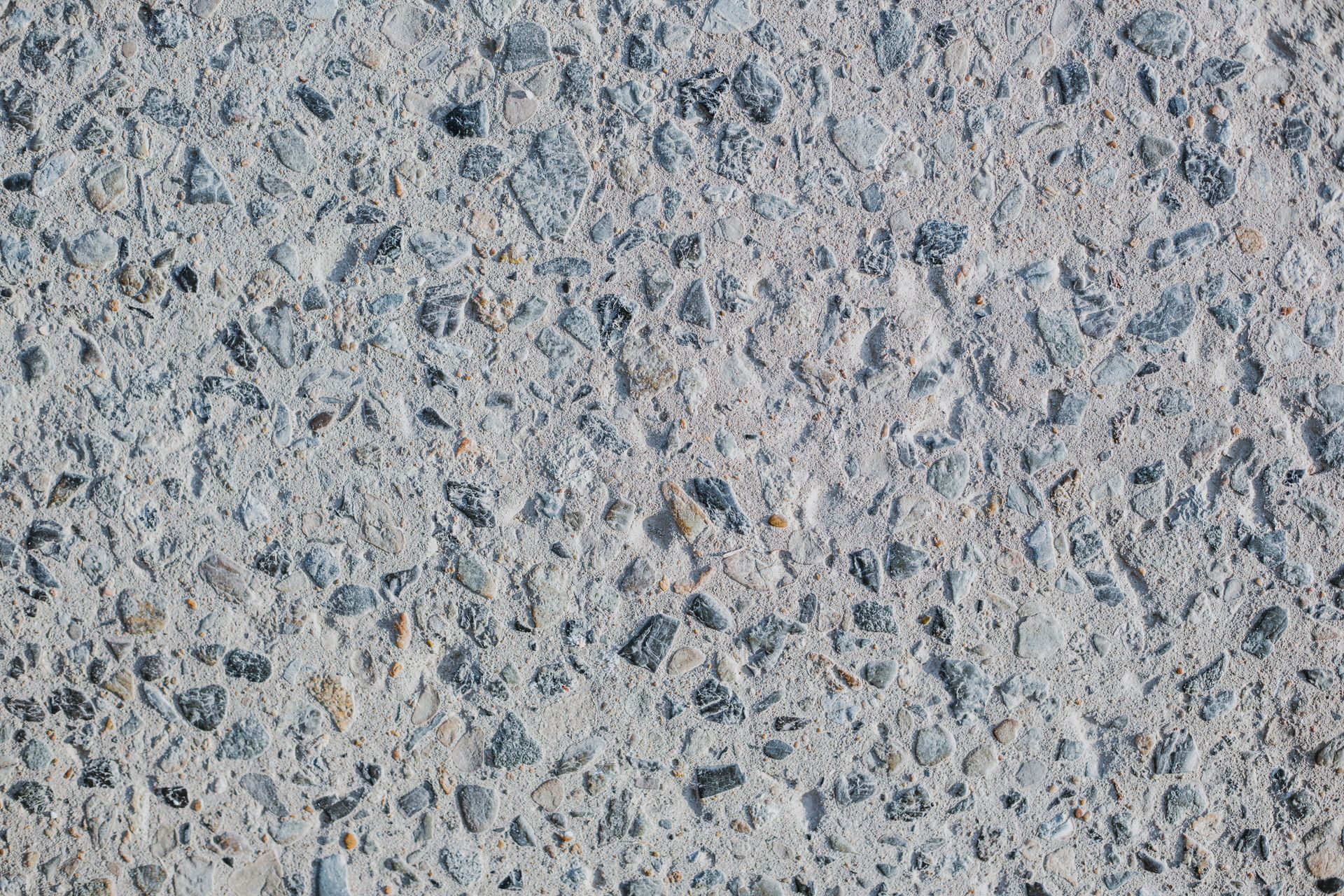
If cement is the glue, aggregates are the muscle. Aggregates make up about 60% to 75% of the total volume of concrete. They provide the bulk and structural stability. We use two types:
- Fine Aggregates: Usually sand. This fills the tiny voids between larger rocks.
- Coarse Aggregates: Gravel or crushed stone. These large pieces provide the compressive strength that allows concrete to support massive loads.
The size and type of aggregate matter immensely. For a smooth countertop, we use very fine aggregate. For a heavy-duty industrial floor, we use larger, rougher stones.
3. The Activator: Water
Water is the catalyst. It kicks off the chemical reaction with the cement. But getting the water amount right is a delicate art.
- Too much water: The mix is runny and easy to pour, but the concrete will be weak and prone to cracking as the excess water evaporates.
- Too little water: The mix is dry and unworkable, leading to honeycombing (air pockets) and a lack of bonding.
Professional ready-mix suppliers and contractors like Liberty Concrete use precise water-to-cement ratios to ensure the perfect balance of workability and strength.
4. The Secret Spices: Admixtures
Modern concrete often includes "admixtures." These are chemicals added to the mix to tweak its properties.
- Accelerators: Speed up curing time in cold weather.
- Retarders: Slow down curing time in hot weather so the concrete doesn't set before we can finish it.
- Air-Entrainers: Add microscopic air bubbles to the mix. This allows the concrete to expand and contract during freeze-thaw cycles without cracking.
The Advantages of Choosing Concrete
Why has concrete been the preferred building material since the days of the Roman Empire? Because it offers a combination of benefits that few other materials can match.
Unrivaled Durability
When installed correctly, concrete is a "forever" material. It doesn't rot like wood. It doesn't rust like metal. It isn't eaten by termites. A well-poured concrete driveway or foundation can easily last 30 to 50 years or more with minimal maintenance. It withstands heavy loads, aggressive weather, and daily wear and tear better than asphalt or pavers.
Incredible Versatility
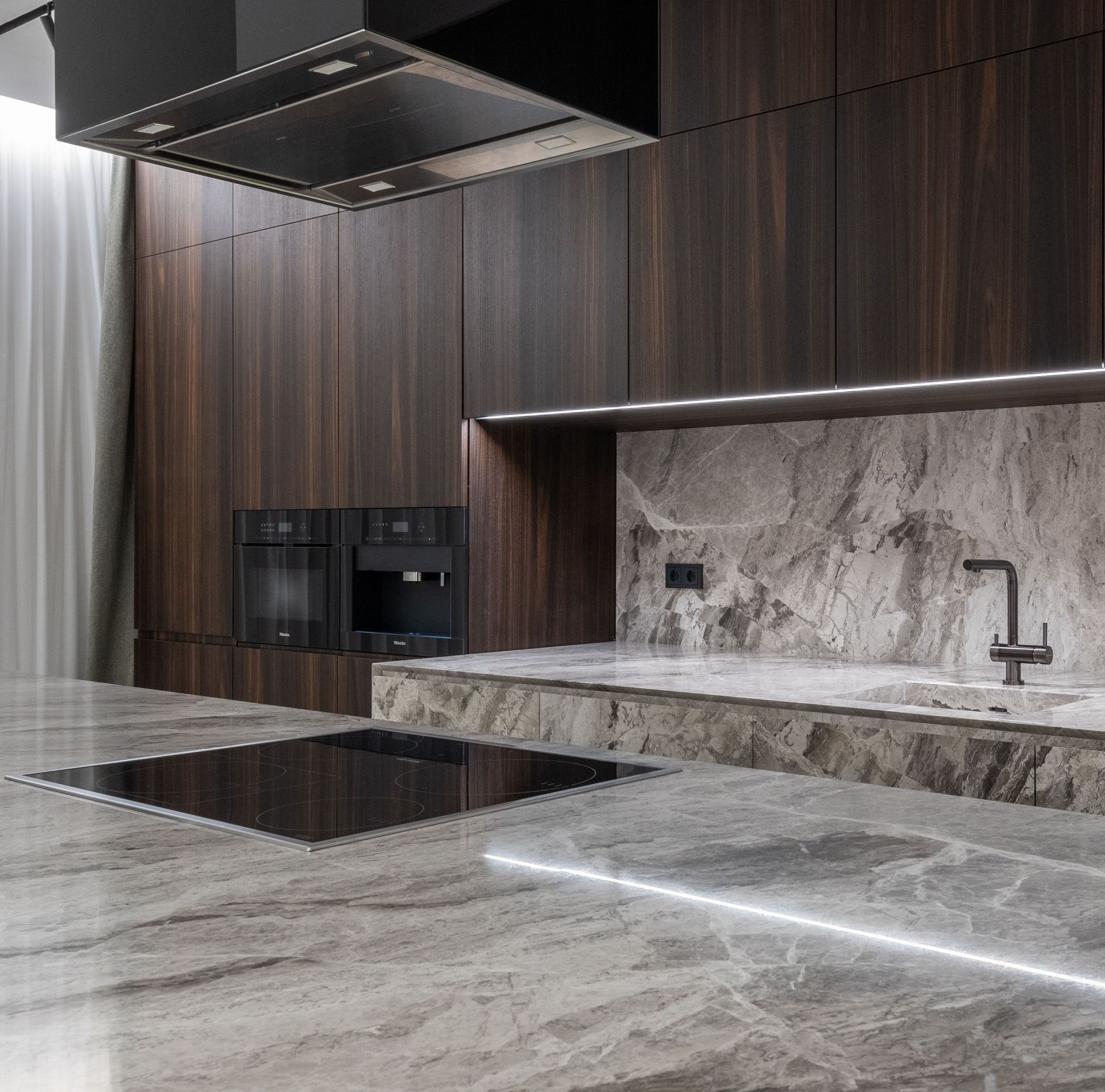
Concrete is a liquid stone. This means it can be molded into virtually any shape. From flowing curves on a landscape border to sharp, modern angles on a retaining wall, concrete adapts to your design vision. Furthermore, it doesn't have to be grey. With staining, stamping, and polishing, concrete can mimic expensive stone, brick, or even wood planking at a fraction of the cost.
Thermal Mass and Energy Efficiency
Concrete walls and floors have high thermal mass. This means they absorb and store heat energy. In the winter, a concrete floor can absorb heat from the sun during the day and release it slowly at night, reducing heating costs. In the summer, it stays naturally cooler than wood or carpet.
Low Maintenance
Once cured and sealed, concrete asks for very little. You don't need to repaint it every few years or replace rotten boards. A simple sweep and occasional pressure wash are usually all that is needed to keep it looking pristine.
The Disadvantages: Honest Considerations
At Liberty Concrete, we value transparency. Concrete is amazing, but it isn't perfect for every single application. Here are the potential downsides you should be aware of.
Upfront Cost
Concrete is generally more expensive to install than asphalt or gravel. The cost of raw materials (cement is energy-intensive to produce) and the skilled labor required for grading, forming, pouring, and finishing add up. However, when you factor in the longevity and low maintenance, concrete often costs less over its lifetime.
Potential for Cracking
There is an old saying in the industry: "There are two types of concrete: concrete that has cracked, and concrete that is going to crack." Because concrete is rigid, the earth moving beneath it can cause stress fractures. Shrinkage during the curing process can also cause hairline cracks. While we use control joints (intentional cuts) and reinforcement (rebar or wire mesh) to control where it cracks, completely crack-free concrete is difficult to guarantee 100%.
Hardness and Comfort
This is a pro and a con. The hardness that makes concrete durable also makes it unforgiving. Standing on a concrete floor all day can be tough on joints and backs. Dishes dropped on concrete will shatter. For interior living spaces, area rugs or anti-fatigue mats are often necessary.
Environmental Impact
The production of Portland cement releases a significant amount of carbon dioxide (CO2). It is an energy-intensive process. However, the industry is making strides with "green" concrete options that use fly ash (a recycled byproduct) to replace some of the cement, reducing the carbon footprint.
How Liberty Concrete Guides Your Decision
Knowing the ingredients and the trade-offs is the first step. The next step is execution. You cannot buy a bag of concrete mix at the hardware store and expect the same results as a professional crew. At Liberty Concrete, we bring scientific precision to your project.
Custom Mix Design
We don't just order "concrete." We specify the mix based on your project. A driveway holding heavy trucks needs a different compressive strength (PSI) than a backyard patio. We ensure the aggregate size and admixtures are perfectly suited to your local climate and intended use.
Professional Site Preparation
Concrete is only as good as the ground it sits on. We spend considerable time on site preparation—compacting the soil and installing a proper gravel base—to minimize settling and cracking.
Expert Finishing
The difference between a DIY job and a pro job is in the finish. Whether you want a non-slip broom finish for safety or a high-gloss stamped finish for elegance, our craftsmen have the tools and experience to manipulate the "cream" (the surface layer) perfectly before it sets.
Build on a Solid Foundation
Concrete is a complex, fascinating material that builds the backbone of modern life. It offers strength, beauty, and longevity, but it demands respect and expertise to install correctly. Don't leave your project to chance. Work with a team that understands the chemistry behind the pour. Ready to start your project with a team that knows concrete inside and out? Contact Liberty Concrete today for a consultation and let’s discuss the perfect mix for your needs.
Meta Information
Meta Title: What Is Concrete Made Of? Pros, Cons & Composition Guide
Meta Description: Is cement the same as concrete? Liberty Concrete breaks down the ingredients, pros, and cons of this durable building material.
You might also like
Liberty Concrete | Blog