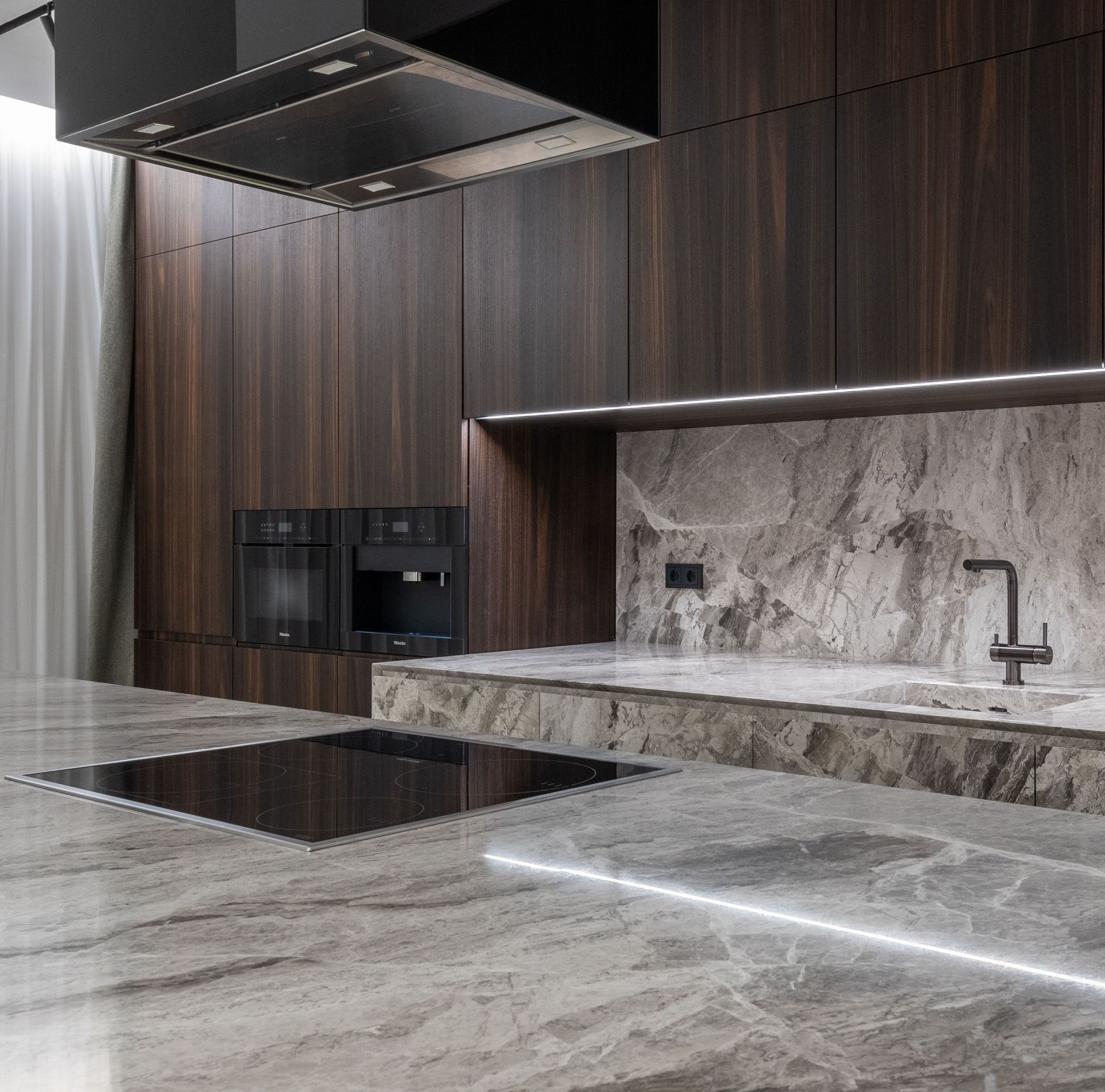
Keep Your Concrete Clean With Liberty Concrete

Grant Cool • April 18, 2026

You just poured a beautiful new concrete driveway or patio. The surface looks pristine, bright, and perfectly smooth. However, many property owners mistakenly believe that concrete is completely maintenance-free. While concrete stands as one of the most durable building materials available, it still requires regular care to survive the elements. Sun exposure, freezing temperatures, heavy vehicle traffic, and chemical spills take a massive toll on your surfaces over time. Without proper attention, your pristine driveway will soon develop ugly stains, spiderweb cracks, and a fading finish.


At Liberty Concrete, we want your investment to last a lifetime. We do not just pour new slabs; we provide the expert maintenance services required to keep your existing concrete looking brand new. In this guide, we will walk you through our professional cleaning, stain removal, sealing, and preventative care services. You will learn exactly how regular maintenance protects your property value and saves you money in the long run.


Why Regular Concrete Maintenance Matters

Concrete is naturally incredibly porous, acting much like a giant, heavy sponge. It constantly absorbs water, vehicle fluids, and dissolved minerals from the surrounding environment. This natural absorption creates massive structural vulnerabilities when the weather changes or when heavy loads apply pressure to the slab. Ignoring basic maintenance leads to rapid deterioration. When water penetrates the microscopic pores of your concrete and freezes, it physically expands. This violent expansion blows the concrete apart from the inside out, causing severe flaking and scaling on the surface.


Regular maintenance halts this destructive cycle entirely. When you let us properly maintain your flatwork, you lock out harmful moisture and prevent aggressive chemicals from eating away at the cement paste. A well-maintained driveway dramatically boosts your home's curb appeal, while a neglected, crumbling walkway instantly drives down your property value. Replacing a standard concrete driveway costs thousands of dollars. Spending a fraction of that amount on routine cleaning and sealing protects your original investment and ensures your flatwork lasts for decades.


Professional Concrete Cleaning Services

Before we can protect or repair your concrete, we must start with a perfectly clean canvas. Over the years, your driveway and garage floor accumulate a nasty layer of dirt, organic growth, and grime. These stubborn blemishes ruin the visual appeal of your home and prevent protective sealers from bonding properly. Attempting to blast these stains away with a rented pressure washer often damages the concrete. Using too much pressure will actually etch the surface, stripping away the smooth finish and exposing the rough aggregate underneath. At Liberty Concrete, we use a balanced, professional approach to restore your surfaces safely.


Safe and Effective Pressure Washing

Our team uses commercial-grade surface cleaning machines that distribute water pressure evenly across a wide area. This prevents the "zebra striping" effect that amateurs often leave behind with standard wand attachments. We calibrate our water pressure perfectly to match the age and condition of your specific slab. By pairing the right pressure with professional cleaning solutions, we lift years of embedded dirt out of the pores. The result is a bright, evenly cleaned surface that looks remarkably close to the day it was poured.


Eradicating Organic Growth

If your patio sits in the shade, you likely battle a constant layer of green algae, mold, or mildew. These organic growths make your concrete incredibly slippery and dangerous to walk on when wet. Furthermore, the acidic nature of organic growth slowly eats away at the surface of your slab. Our professional cleaning crews utilize advanced soft-washing techniques to kill the organic spores at their roots. This ensures the slippery green layer does not return a few weeks later. This deep cleaning process instantly restores the safe traction and bright color of your outdoor living spaces.


Targeted Stain Removal

Standard cleaning lifts general dirt, but specific spills require specialized chemistry. Concrete readily absorbs colored liquids and heavy oils, creating permanent eyesores if left untreated. Liberty Concrete provides targeted stain removal for the toughest blemishes on your property. We analyze the specific type of stain and apply the correct chemical countermeasure. This focused approach lifts the discoloration without degrading the surrounding cement.


Lifting Oil and Grease Spills

Motor oil and grease sink deep into the porous structure of your concrete driveway or garage floor. Standard soap and water simply will not lift these heavy petroleum products out of the slab. Scrubbing them with a wire brush usually just pushes the oil deeper into the pores. We utilize industrial-grade, eco-friendly degreasers that actively break down the molecular bonds of the oil. Our technicians draw the oil out of the concrete substrate, heavily reducing or entirely eliminating the dark spots left behind by leaky vehicles.


Removing Rust and Mineral Deposits

Rust stains often appear beneath old patio furniture, metal planters, or near irrigation sprinkler heads. Hard water runoff can also leave heavy, white mineral deposits across your walkways. These stains bond tightly to the concrete and resist standard pressure washing. For ugly rust stains and calcium buildups, we apply specialized acidic treatments. Our technicians carefully dissolve the rust and minerals out of the concrete without compromising the structural integrity of the slab. We leave your driveway looking bright, clean, and completely revitalized.


Concrete Sealing for Long-Term Protection

Once your concrete is perfectly clean and dry, it desperately needs a layer of protection. Think of concrete sealer as a heavy-duty raincoat for your driveway. Applying a high-quality sealer represents the single most important maintenance task you can perform to extend the life of your flatwork. We highly recommend sealing your new concrete a few weeks after the initial pour, and then reapplying that protection every two to three years. Our sealing services block out the destructive elements that threaten your property every single day.


Blocking Harmful Moisture

As we mentioned earlier, water expanding inside frozen concrete destroys the structural integrity of the slab. At Liberty Concrete, we apply premium penetrating sealers that sink deep into the pores of the material. These advanced chemical treatments react with the minerals inside the concrete to form a permanent, waterproof barrier. When it rains or snows, the moisture simply beads up on the surface and rolls right off. By keeping the water out of the microscopic pores, we completely eliminate the threat of freeze-thaw damage. Your concrete remains solid and structurally sound through the most brutal winter storms.


Enhancing and Preserving Color

If you have beautiful stamped or colored concrete, the sun's harsh ultraviolet rays will eventually fade the vibrant pigments. We offer specialized topical sealers designed specifically to protect and enhance decorative flatwork. These sealers act like sunscreen for your patio, blocking UV rays and keeping the colors incredibly rich. Furthermore, topical sealers create a tight, hard shell over the surface of the slab. If your car leaks oil or you spill red wine during a backyard barbecue, the liquid sits harmlessly on top of the sealer. You can simply wipe the mess away with a rag, completely preventing a permanent stain from taking hold.


Preventative Care Tips for Property Owners

While Liberty Concrete handles the heavy lifting, you can take simple steps to keep your concrete looking great between our visits. A little bit of proactive care goes a long way in preventing permanent damage. By incorporating a few simple habits into your yard work routine, you can maximize the lifespan of your protective sealers.


Sweeping and Routine Rinsing

Leaves, pine needles, and grass clippings contain natural dyes and tannins. If you let wet leaves sit on your concrete patio all through the autumn season, they will essentially brew like tea. This leaves brown, organic stains scattered across your pristine slab.

Make a habit of sweeping your concrete surfaces once a week. Use a push broom to clear away organic debris before it has a chance to get wet and decay. You should also grab your garden hose occasionally and give the driveway a quick rinse to remove loose surface dirt.


Managing Landscape Drainage

Standing water serves as the greatest enemy to healthy concrete. Take a walk around your property during a heavy rainstorm and observe where the water flows. Make sure your gutter downspouts direct water completely away from your concrete walkways and driveways. If water pools continuously on your slab, it will eventually wear down the sealer and penetrate the pores. Adjusting your landscaping to ensure proper soil drainage will protect the concrete foundation from sinking or cracking under pressure.


Partner With Liberty Concrete Today

Maintaining your concrete should never feel like an overwhelming chore. Your property deserves the highest level of care, and you deserve total peace of mind knowing your investments are fully protected. Routine cleaning, professional sealing, and timely repairs represent the smartest financial decisions you can make for your home's exterior. At Liberty Concrete, we bring hands-on experience, premium commercial materials, and a deep dedication to customer satisfaction to every single job.


We treat your property with the exact same respect and attention to detail that we apply to our own homes. Our expert crews know exactly how to diagnose surface issues and prescribe the perfect maintenance solutions. Do not wait until your concrete starts crumbling to take action. Contact Liberty Concrete today to schedule a comprehensive maintenance evaluation. Let our professional team show you exactly how we can protect, clean, and revitalize your concrete surfaces for years to come.


Meta Information

Meta title: Concrete Cleaning & Maintenance | Liberty Concrete
Meta description:
Keep your concrete looking brand new. Learn how Liberty Concrete provides professional cleaning, stain removal, and sealing services to protect your property.


You might also like

Liberty Concrete | Blog
An open black toolbox filled with various metal wrenches, socket heads, ratchets, and assorted hand tools.
By Grant Cool April 11, 2026
Concrete forgives very few mistakes. Once you mix the water into the cement, a rapid chemical reaction begins that you cannot stop or pause. Every single minute counts as you work to move, level, and smooth the heavy material before it hardens permanently. Attempting to manage this fast-paced process with makeshift or improper equipment usually leads to disaster. A poor finish not only looks terrible but also compromises the structural durability of the slab. You might end up with a surface that flakes, cracks, or pools water after the first rainstorm. Achieving a professional-grade result requires professional-grade equipment. We want you to approach your next driveway, patio, or foundation project with absolute confidence and preparation. This comprehensive guide outlines the exact tools you need for every phase of a concrete pour. Read on to discover how Liberty Concrete provides the sales, rentals, and expert guidance necessary to set your project up for total success. Why Tool Selection Makes or Breaks Your Pour Many property owners underestimate the sheer physical demand of working with wet concrete. The material is incredibly dense, abrasive, and heavy. Moving it around requires specialized gear designed specifically to withstand immense friction and weight. Using the correct tools drastically improves your working speed. Efficiency matters because concrete has a strict working window. If you struggle to level the slab with a warped piece of scrap lumber, the material will begin to set before you can finish the top layer properly. Proper tools also dictate the chemical and structural success of the slab. Specialized floats and trowels manipulate the different components of the concrete mixture. They push heavy gravel down while drawing the smooth cement paste to the surface, creating a tight, weather-resistant seal that extends the life of your project by decades. Phase One: Preparation and Mixing Equipment Before you even think about pouring, you must have the right gear to prepare the material. Consistent mixing forms the foundation of strong concrete. If your mixture varies from batch to batch, your slab will cure unevenly and develop weak spots. Reliable Concrete Mixers Mixing concrete manually inside a wheelbarrow works fine for setting a single mailbox post. However, tackling anything larger requires a motorized concrete mixer. Manual mixing for a patio or walkway will drain your physical energy before the real work even begins. A mechanical mixer guarantees a perfectly uniform blend of cement, sand, gravel, and water. This uniform consistency ensures the chemical hydration process occurs evenly throughout the entire slab. Liberty Concrete offers a variety of mixer sizes to match the exact volume requirements of your specific job. Heavy-Duty Wheelbarrows Transporting wet concrete from the mixer to your wooden forms requires serious hauling capacity. Standard garden wheelbarrows often collapse under the extreme weight of wet concrete. Their thin metal trays buckle, and their standard tires sink deep into the mud. You need a contractor-grade wheelbarrow designed specifically for masonry work. These wheelbarrows feature reinforced steel trays, heavy-duty wooden or steel handles, and pneumatic tires that easily roll over rough terrain. Having two or three heavy-duty wheelbarrows on-site keeps the pouring process moving rapidly without unnecessary delays. Phase Two: The Leveling Process Once the wet concrete fills your forms, the race against the clock truly begins. You must strike off the excess material immediately to establish the correct height and slope of your slab. This crucial step requires a specific set of tools. Straight-Edge Screeds A screed is a long, perfectly straight tool used to level the freshly poured concrete. While some people try to use standard two-by-four boards, wood often bows and warps. A warped board leaves you with dips and valleys across your finished surface. Professional screeds consist of lightweight, rigid aluminum or magnesium. These metal screeds will not bend under the weight of the concrete, ensuring a perfectly flat surface. We supply straight-edge screeds in various lengths so you can span the entire width of your forms in a single pass. Concrete Tampers After you screed the surface, you might notice large pieces of gravel sticking up near the top. If left alone, these rocks will ruin your smooth finish. You need a tool to push the aggregate down into the slab. A concrete tamper features a wide, flat mesh screen attached to a handle. By firmly tapping the wet surface, you force the heavier gravel downward. This action allows the smoother, creamier cement paste to rise upward, giving you the perfect material to work with during the finishing stage. Phase Three: Floating and Finishing The finishing phase transforms a rough, wet mixture into a durable, attractive surface. This stage requires patience, timing, and highly specific hand tools. You must wait for the bleed water to evaporate before executing the final passes. Bull Floats for Large Areas For larger slabs, a hand tool will not reach the center of the concrete. A bull float solves this problem entirely. This large, wide blade attaches to long extension poles, allowing you to smooth the entire slab while standing outside the forms. Pushing the bull float across the surface embeds the remaining aggregate and levels out the ridges left behind by the screeding process. It also opens up the surface pores, allowing trapped air and excess water to escape freely. Magnesium Hand Floats Once you handle the large areas, you need to refine the edges and smaller sections. Magnesium hand floats excel at this task. Magnesium glides over the wet concrete without tearing the surface or pulling the gravel back to the top. Hand floating further compacts the concrete paste and preps the slab for the final troweling. This tool is absolutely essential for detail work around steps, tight corners, and curved forms. Steel Finishing Trowels After the surface water evaporates and the concrete begins to stiffen, you grab your steel finishing trowel. Unlike a float, a steel trowel closes the pores of the concrete. Sweeping the steel blade across the firming surface creates a dense, hard, and incredibly smooth top layer. You must never use a steel trowel while bleed water sits on the surface. Doing so traps the water inside the slab, which leads to immediate flaking and scaling. Timing your trowel work correctly guarantees a beautiful, long-lasting result. Edgers and Groovers Concrete naturally shrinks as it cures, and it constantly expands and contracts with the weather. This thermal movement causes slabs to crack. You cannot stop the cracking, but you can control exactly where it happens using a groover. A groover cuts neat, deep control joints into the wet concrete. These joints create intentional weak points, forcing the concrete to crack cleanly out of sight inside the groove. Meanwhile, an edging tool rounds off the sharp corners along the perimeter of your forms. Rounded edges resist chipping and give your project a polished, professional look. Essential Safety Gear for Concrete Work Protecting your physical health is just as important as perfecting your patio finish. Wet concrete contains harsh alkaline chemicals that can cause severe chemical burns upon contact with your skin. You must gear up properly before opening the first bag of mix. Always wear tall, waterproof rubber boots. Standard leather work boots will absorb the wet concrete, trapping the harsh chemicals against your skin. You also need thick, alkali-resistant rubber gloves to protect your hands while floating edges and washing down your tools. Additionally, pouring dry cement mix creates clouds of hazardous silica dust. Inhaling this dust causes permanent lung damage. Always wear a snug-fitting respirator mask and protective safety glasses during the mixing phase. Liberty Concrete provides a complete selection of personal protective equipment to keep you completely safe on the job. How Liberty Concrete Sets You Up for Success Navigating a massive hardware store to find the right concrete tools often feels overwhelming. You might end up buying expensive gear you only use once, or worse, purchasing the wrong items entirely. Liberty Concrete eliminates this confusion completely. We act as your dedicated partner in project success. Our experienced team works directly with you to ensure you have the exact equipment required for your specific job. Personalized Project Consultations When you reach out to Liberty Concrete, you connect with true concrete professionals. We discuss your project dimensions, your timeline, and your specific goals. We listen carefully to understand your unique challenges. Based on our conversation, we build a customized tool checklist just for you. We explain the purpose of every tool and share professional techniques to help you avoid common amateur mistakes. We ensure you leave our facility feeling fully prepared and confident. Cost-Effective Equipment Rentals Purchasing a motorized mixer or a large bull float for a single weekend project makes very little financial sense. Liberty Concrete offers a robust, affordable tool rental program to save you money. You get access to the exact same premium equipment used by commercial contractors. We meticulously clean, inspect, and maintain all our rental tools after every single use. When you rent from us, you know the equipment will perform flawlessly. We offer flexible daily and weekly rates designed to fit your project schedule perfectly. Professional-Grade Tool Sales If you plan to tackle multiple projects over the years, investing in your own tools represents a smart choice. We stock a comprehensive inventory of premium tools for retail sale. We only carry trusted, durable brands known for their longevity and performance. Our retail selection includes everything from specialized hand trowels to heavy-duty wheelbarrows. When you buy tools from Liberty Concrete, you invest in high-quality gear that will withstand years of heavy, abrasive use. Secure Your Project's Success Today Attempting a concrete pour without the proper tools creates unnecessary stress and guarantees a subpar result. The rapid curing process leaves no room for hesitation or inadequate equipment. You need the right gear staged and ready before the mixing begins. Liberty Concrete provides the high-quality tools, protective gear, and expert advice required to conquer any concrete project. We take massive pride in equipping our local community for success. Our dedicated staff ensures you have everything you need to execute a flawless, professional-grade pour. Do not let a lack of equipment hold your property improvements back. Contact Liberty Concrete today to discuss your upcoming project and secure your essential tools. Let our knowledgeable team help you build a strong, beautiful foundation that lasts for decades. Meta Information Meta title: Must-Have Concrete Tools for Flawless Projects Meta description: Learn about the essential tools needed for successful concrete projects. Discover how Liberty Concrete provides expert advice, tool rentals, and sales.
Cracked gray pavement with melting white snow filling the crevices.
By Grant Cool April 3, 2026
Many property owners assume that once the first freeze hits, all outdoor construction must come to a grinding halt. You might look at your cracked driveway or unfinished patio and think you have to wait until spring to get the job done. However, stopping your property improvements simply because the temperature dropped is not always necessary. You can absolutely pour concrete during the cold winter months, provided you fully understand the stakes. Pouring concrete in cold weather is entirely possible, but it comes with a unique set of severe risks. When the thermometer dips below freezing, the fundamental chemistry of concrete changes completely. If you attempt to handle this delicate process without the proper knowledge, you risk ruining your entire investment before it even dries. We want you to feel completely confident about your home improvement timeline. In this guide, we will walk you through the very real dangers of cold-weather concrete work. We will also explain exactly how our experienced team at Liberty Concrete uses professional techniques and specialized equipment to mitigate these risks and deliver flawless results all year long. The Real Risks of Cold-Weather Concrete Concrete does not dry like paint; it cures through a chemical reaction called hydration. This reaction requires specific temperature ranges to happen properly and build structural strength. When you introduce freezing temperatures to fresh concrete, you disrupt this vital process and introduce massive structural vulnerabilities. Freezing Temperatures Interrupt Curing Fresh concrete contains a high amount of water right after it leaves the mixing truck. If the temperature of the wet concrete drops below 25 degrees Fahrenheit before it cures, that trapped water will freeze. As the water turns to ice, it expands by roughly nine percent, creating massive internal pressure. This sudden expansion literally blows the concrete apart from the inside out. It creates deep, microscopic fractures that permanently destroy the integrity of your new slab. Once concrete freezes during this early stage, it loses up to half of its final strength. You cannot repair this kind of internal damage; you can only tear the concrete out and start over. Frozen Ground Causes Structural Failure The environment around the concrete matters just as much as the air temperature. You can never pour fresh concrete directly onto frozen ground or subgrade. When the dirt freezes, the moisture inside the soil expands and pushes upward in a process known as frost heave. If you pour a heavy, rigid slab over this expanded dirt, you create a guaranteed structural failure. When spring arrives and the ground finally thaws, the soil will settle back down to its normal level. Your new concrete slab will suddenly lack the physical support beneath it, leading to massive sinking, cracking, and eventual collapse. Slower Setting Times Expose the Surface Even if the water inside the mixture avoids freezing, cold weather still drastically slows down the hydration process. Concrete sets incredibly slowly in lower temperatures. This extended setting time means the finishing process takes significantly longer, leaving the soft top layer highly vulnerable to environmental damage. If snow, sleet, or freezing rain falls on the freshly poured surface, it will pit and ruin the smooth finish. Furthermore, the slow curing process traps excess bleed water on the surface for hours. If an amateur contractor tries to trowel the concrete while this water sits on top, they will ruin the top layer and guarantee future flaking and scaling. How Liberty Concrete Mitigates Winter Risks Understanding the risks of winter pours highlights exactly why you cannot rely on DIY methods or inexperienced contractors. At Liberty Concrete, we bring decades of specialized experience to every single winter job site. We use advanced, commercial-grade techniques to manipulate the environment and protect your investment from the freezing weather. Ground Thawing and Site Preparation We never take chances with the soil conditions on your property. Before a single drop of concrete arrives at your home, our crews rigorously prepare and test the subgrade. If the ground contains frost, we utilize powerful ground-thawing equipment and specialized ground heaters to remove it completely. We heat the earth slowly and thoroughly, pulling out the trapped frost from deep within the soil. This crucial step guarantees we pour your new driveway or patio onto a warm, stable foundation. By controlling the ground temperature, we create a safe environment that allows the concrete to cure perfectly without the threat of future settling. Custom Winter Concrete Mixes A standard summer concrete recipe will fail miserably in the middle of December. Liberty Concrete works closely with local batch plants to design custom winter mixes specifically formulated for freezing temperatures. We utilize chemical accelerators that safely speed up the hydration process. These highly engineered additives force the concrete to set faster, drastically reducing the window of time where the water could freeze. We also carefully adjust the water-to-cement ratio and incorporate hot water into the batch at the plant. The mixing trucks use insulated drums to ensure the material arrives at your property at the perfect starting temperature. Insulated Blankets and Temperature Control Protecting the concrete immediately after the pour matters just as much as the preparation. As the concrete cures, the chemical hydration process naturally generates its own internal heat. We capture and utilize this heat using heavy-duty, insulated curing blankets.These specialized commercial blankets act like thick winter coats for your new slab. They trap the warmth inside the concrete and prevent the surface water from freezing while the slab gains its initial strength. For severe weather conditions, we can even construct temporary heated enclosures around the work area to maintain a perfectly controlled climate until the job is done. Why You Must Hire Experienced Professionals Tackling a home improvement project yourself often saves money, but winter concrete work offers absolutely zero margin for error. Adding harsh winter weather elements makes the pouring process entirely unmanageable for anyone without commercial-grade equipment and extensive technical training. An amateur mistake during a winter pour leaves you with a structurally compromised slab that will likely need complete replacement within a single year. You will end up paying twice for the exact same project while dealing with the massive headache of demolishing the ruined concrete. When you hire Liberty Concrete, you buy total peace of mind for your property. Our experienced crews know exactly how to read the weather, adjust the chemical mix, and time your project perfectly. We monitor wind chill, ambient air temperature, and concrete temperature continuously throughout the day to ensure a flawless result. Ready for Your Winter Concrete Project? You do not have to put your property improvements on hold just because the temperature drops. While cold-weather concrete work presents serious logistical challenges, the right professional team easily overcomes them. Understanding the severe risks of frozen concrete highlights exactly why you must leave these complex projects to the experts. Liberty Concrete brings the specialized knowledge, heavy-duty equipment, and custom material mixes required to conquer cold weather pours safely. We take immense pride in delivering superior craftsmanship and durable results all year long. Our dedicated crews know exactly how to protect your investment from the freezing elements. Do not let the winter weather freeze your construction plans. Contact Liberty Concrete today to discuss your upcoming project and schedule an expert consultation. Let our professional team show you exactly how we can safely and successfully complete your concrete work this winter. Meta Information Meta title: Can You Pour Concrete in Winter? The Risks Explained Meta description: Discover the risks of pouring concrete in cold weather. Learn how Liberty Concrete uses expert techniques and equipment to ensure safe winter concrete projects.
A close-up of a weathered stone wall with gray concrete peeling away to reveal rough, textured, tan stone underneath.
By Grant Cool March 30, 2026
You step out onto your driveway and notice small pieces of loose gravel scattered across the surface. When you sweep them away, you realize the concrete itself is actually chipping, flaking, and falling apart. Watching your expensive driveway or patio slowly disintegrate feels incredibly frustrating. You paid good money for a hard, durable surface, but now it looks like an unkempt gravel road. Crumbling concrete is a surprisingly common issue that affects thousands of property owners every year. It rarely happens by accident. This destructive process occurs due to specific scientific reactions and environmental pressures. Ignoring the problem only allows the damage to spread deeper into the slab, eventually requiring a complete, costly replacement. This guide will explain exactly why your concrete surfaces break down over time. We will explore the common environmental factors and installation errors that compromise your pavement. Most importantly, we will show you how our team at Liberty Concrete provides the professional assessments, durable repairs, and preventative solutions you need to restore your property. The Main Causes of Crumbling Concrete Concrete feels incredibly solid beneath your feet, but it actually contains millions of microscopic pores. It acts much like a dense, heavy sponge. When environmental factors interact with these tiny pores, massive structural problems begin to develop. The Destructive Freeze-Thaw Cycle The weather plays a massive role in the health of your pavement. When it rains or snows, liquid water seeps directly into the invisible empty spaces inside your slab. If the outdoor temperature suddenly drops below freezing, that trapped water turns directly into solid ice. Water physically expands by about nine percent when it freezes. This sudden expansion creates massive internal pressure inside your concrete slab. The pressure pushes outward against the rigid cement walls of the microscopic pores. This repeated cycle of freezing and thawing literally pushes the concrete apart from the inside out. Over the course of a single winter, your driveway might endure dozens of these damaging cycles. Eventually, the structural integrity fails completely, and the top layer begins to break off in small, dusty chunks. Poor Installation and Mixing Errors Sometimes, concrete is doomed to fail before it even dries. Pouring a durable slab requires a highly precise mixture of water, cement, sand, and gravel. If an inexperienced contractor adds too much water to the wet mix, the final product becomes weak and incredibly porous. This excess water dilutes the crucial cement paste that binds the heavy rock aggregates together. While a wet mix flows easier and saves the installer physical labor, it guarantees a fragile driveway. When the water finally evaporates during the curing process, it leaves behind massive voids. Additionally, poor finishing techniques cause major long-term problems. If a contractor trowels the surface while it is still bleeding water, they trap a weak layer of excess moisture right at the top of the slab. Once this poorly installed concrete cures, the fragile top layer will quickly start scaling and crumbling under normal daily use. Harsh Chemicals and Deicing Salts Winter weather brings another major threat to your hardscaping: chemical damage. To combat slippery ice, many homeowners heavily apply rock salt and chemical deicers to their walkways. While these products successfully melt the ice, they aggressively attack the chemical bonds within the concrete itself. Ammonium nitrate and ammonium sulfate are particularly dangerous to concrete surfaces. These chemicals literally dissolve the cement paste that holds the slab together. Furthermore, rock salt naturally draws moisture out of the air, keeping your concrete saturated with water for much longer periods. This sustained high moisture level drastically accelerates the freeze-thaw damage we discussed earlier. You create a perfect storm of chemical degradation and internal pressure. This combination leads to rapid, severe surface deterioration that ruins the appearance of your property. Why DIY Concrete Repairs Usually Fail When homeowners notice a crumbling patio, they often head straight to the local hardware store. They buy a bucket of cheap concrete patch and attempt to fix the problem themselves. Unfortunately, these amateur repairs almost always fail within a few short months. The Problem with Retail Patching Kits Most retail patching compounds lack the commercial-grade bonding agents required to stick properly. They sit loosely on top of the damaged area without ever fully integrating into the existing slab. When you drive your car over the patch, the heavy weight immediately crushes the weak material. Furthermore, you cannot simply spread new concrete over crumbling concrete. The underlying damaged material will simply continue to break apart, taking your brand-new patch with it. It acts like building a new house on top of a sinking foundation. Improper Surface Preparation Professional concrete repair requires intense surface preparation. You must grind away the decaying material, neutralize chemical contaminants, and profile the surface so the new material can bond. Most homeowners lack the heavy machinery and technical knowledge required to prep the area properly. Without proper preparation, moisture quickly gets trapped between the old slab and the new patch. The next time the temperature drops below freezing, the ice pops the patch right off the driveway. You waste your time, your money, and your physical energy. The Long-Term Costs of Ignoring the Problem Hoping the problem will just stop on its own is a terrible strategy. Concrete decay operates like a cavity in your tooth; it only grows larger and more expensive over time. Delaying professional repairs exposes you to several significant risks. Decreased Property Value Curb appeal matters immensely, especially if you ever plan to sell your home. A crumbling, pitted driveway creates a terrible first impression for visitors and potential buyers. It signals that the home has been neglected and poorly maintained. Real estate agents frequently require homeowners to replace severely damaged concrete before listing a property. A complete replacement costs thousands of dollars more than a timely professional repair. By addressing the crumbling early, you protect your financial investment. Safety and Liability Risks Loose gravel and deep pits create serious tripping hazards for your family and guests. If a delivery driver or a neighborhood child trips on your crumbling walkway, they could suffer a severe injury. You might find yourself facing a stressful and expensive liability lawsuit. Keeping your walkways smooth and structurally sound represents a basic responsibility of property ownership. You must provide a safe, stable surface for anyone walking up to your front door. How Liberty Concrete Restores Your Property You do not have to watch your beautiful driveway turn into a gravel pit. At Liberty Concrete, we specialize in diagnosing, treating, and preventing severe concrete degradation. We offer a full suite of professional services designed to extend the life of your expensive hardscaping. Comprehensive Surface Assessments We never guess when it comes to the structural health of your property. When you contact Liberty Concrete, our skilled technicians perform a rigorous inspection of your crumbling concrete. We identify the specific root cause of the damage to ensure we provide the correct solution. We determine whether the deterioration stems from a bad initial pour, poor drainage, or chemical exposure. By understanding exactly why the concrete failed, we can recommend a lasting solution rather than a temporary bandage. We explain our findings clearly and provide you with honest, actionable advice. Professional Concrete Repair Strategies Our team uses commercial-grade resurfacing techniques and advanced polymer-modified overlays to repair your slab correctly. We carefully remove all the loose, decayed material until we reach a solid, stable foundation. We do not stop grinding until we find healthy concrete. Next, we apply our specialized repair materials to seamlessly bond with the existing concrete. This highly engineered material features incredible tensile strength and extreme weather resistance. This creates a strong, durable new surface that easily withstands heavy vehicle traffic and harsh winters. Preventative Sealing and Protection The absolute best way to handle crumbling concrete is to prevent it from happening in the first place. Liberty Concrete offers premium sealing services to protect both new and newly repaired slabs. Our deep-penetrating sealers create an invisible, waterproof barrier deep inside the pores of the concrete. This advanced sealant effectively blocks moisture, repels corrosive deicing salts, and stops the freeze-thaw cycle in its tracks. Water beads up on the surface instead of soaking into the slab. We highly recommend scheduling a professional sealing service every few years to ensure your concrete remains strong, smooth, and fully protected. Protect Your Pavement Today Crumbling concrete lowers your property value, creates dangerous tripping hazards, and ruins your home's curb appeal. Understanding the common causes of surface deterioration helps you take proactive steps to protect your investments. Whether you are dealing with minor surface flaking or severe structural damage, you need a trusted partner to restore your pavement correctly. Liberty Concrete has the extensive experience, specialized equipment, and premium materials required to bring your surfaces back to life. We take pride in delivering long-lasting results that save our customers money and frustration. Do not wait for the winter weather to destroy the rest of your slab. Contact Liberty Concrete today to schedule your expert assessment. Let our dedicated team show you exactly how our repair and preventative sealing solutions can save your driveway. Reach out now, and take the first step toward a beautiful, durable concrete surface. Meta Information Meta title: Why Concrete Crumbles & How to Fix It | Liberty Concrete Meta description: Is your driveway flaking or crumbling? Learn the causes of concrete damage and how Liberty Concrete provides expert repairs and preventative sealing.