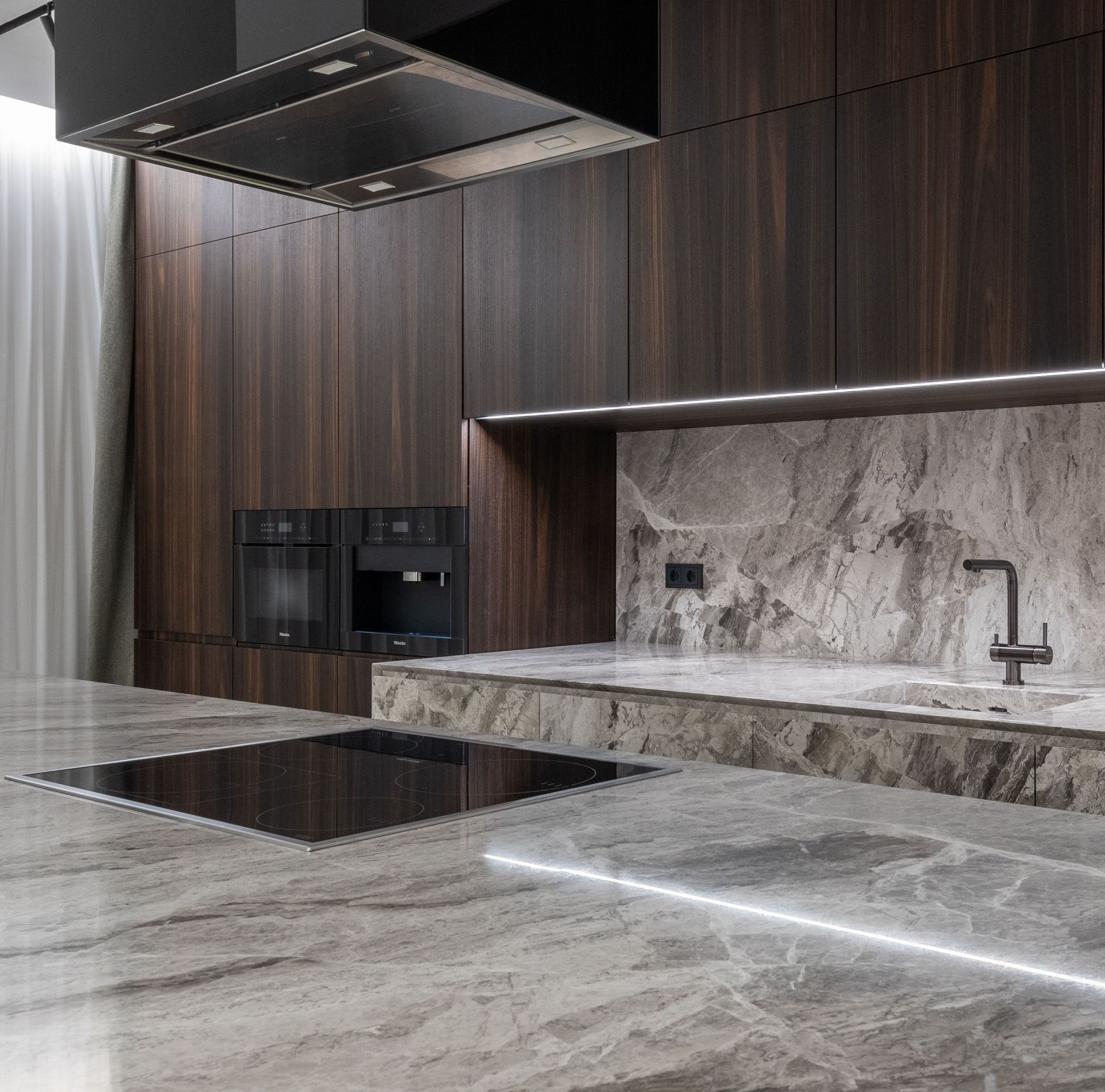
Decorative Concrete: Transform Your Space with Style

Grant Cool • October 4, 2025

When you think of concrete, you might picture a plain, gray, utilitarian surface. But decorative concrete has changed everything—turning a basic building material into a canvas for stunning design. With today’s methods and finishes, concrete can mimic the look of wood, natural stone, tile, or take on brilliant color and shine of its own. Decorative concrete is all about creativity, durability, and adding real personality to your home or business.


At Liberty Concrete, we specialize in bringing decorative concrete ideas to life. Whether indoors or outside, we help our customers unlock the immense design potential right beneath their feet. Let’s explore the standout options in decorative concrete—stamped patterns, custom coloring, and polished finishes—that can dramatically elevate your space.


What Is Decorative Concrete?

Decorative concrete blends the proven strength of standard concrete with innovative design techniques. This approach doesn’t just cover up concrete’s natural character; it transforms it into an attractive, resilient feature. From vibrant patios and ornate driveways to sleek interior floors, the possibilities are endless.


Our team at Liberty Concrete uses advanced tools, the latest materials, and years of experience to guide you toward decorative concrete solutions that fit your vision and lifestyle.


Stamped Concrete: Pattern and Texture

Stamped concrete is one of the most popular ways to add detail and flair to outdoor spaces. While your concrete is still wet, special stamps are pressed into the surface to create realistic textures and patterns. The result—surfaces that look like brick, slate, flagstone, cobblestone, or even wood, with none of the maintenance those materials require.

Design Highlights:

  • Wood-Look Patterns: Achieve the warmth of timber decks or boardwalks perfect for patios and pool surrounds—without the worry of rot or splinters.
  • Stone and Slate Textures: Get the upscale look of large pavers or natural stone, making driveways and walkways feel custom and inviting.
  • Seamless Textures: Add organic movement and subtle character with continuous textures that echo natural rock or earth.

Our experts ensure each pattern is crisp, realistic, and paired with the ideal color palette for your space.


Color: Endless Options for Unique Style

Gone are the days of dull gray slabs. Decorative concrete allows you to play with color—from soft, earthy tones to bold, vibrant hues. There are two primary ways to add color:

  • Integral Coloring: Pigments are blended into the concrete before it’s poured, ensuring rich, long-lasting color throughout the slab. This is ideal for large surfaces where uniformity and durability are key.
  • Stains and Dyes: After your concrete is set, acid stains or water-based dyes can be applied to create beautiful, marbled effects or precise, controlled colors. Stains can give your floor a natural, stone-like appearance, while dyes create a spectrum of shades, from subtle pastels to deep, dramatic tones.


With decorative concrete, we help you select colors that coordinate perfectly with your home’s style and your personal taste. Our process includes custom blending and sample mock-ups to ensure your new surface exceeds expectations.


Polished Concrete: Sophisticated Shine & Lasting Performance

Polished concrete brings a sleek, modern finish to any interior or exterior space. Using a series of progressively finer diamonds, we grind the concrete surface until it takes on a glassy, light-reflective sheen. Beyond looks, this treatment makes your floor incredibly durable and easy to maintain.

Benefits and Design Options:

  • Versatile Sheen: Choose from a soft satin to a dazzling, mirror-like gloss.
  • Exposed Aggregate: Reveal the natural stones within the concrete for added depth and a terrazzo-style effect.
  • Custom Inlays & Borders: Create striking design borders, shapes, or even graphics for a unique, personalized look.


Polished concrete works equally well in living rooms, kitchens, showrooms, offices, and outdoor entertainment spaces, offering timeless style that lasts.


Why Choose Decorative Concrete?

  • Durability: Stands up to weather, heavy traffic, and daily wear far better than traditional surface treatments.
  • Low Maintenance: Just sweep and mop—no waxing, resealing, or special cleaners required.
  • Customization: Your space, your style. With so many patterns, colors, and finishes, the design is truly yours.
  • Value: Upgrade the look and functionality of your home or business, increasing curb appeal and property value.


Experience the Decorative Concrete Difference with Liberty Concrete

Decorative concrete can turn forgettable surfaces into extraordinary features—inside and out. At Liberty Concrete, we focus solely on decorative solutions, guiding you through the process from design selection to the final reveal. We listen to your ideas, show you real samples, and use expert techniques to ensure the finished project is as unique as you are.


Ready to make a statement with your concrete? Contact Liberty Concrete today for a free design consultation and see how decorative concrete can transform your space.


These trends offer just a glimpse into the world of decorative concrete. The real magic happens when we combine them. Imagine a stamped wood-plank patio with a subtle, earthy integral color. Picture a polished basement floor with a deep, walnut-colored acid stain. The possibilities are truly endless.


Choosing the right combination of techniques, colors, and patterns can feel overwhelming. That’s where the experts at Liberty Concrete come in. We don't just pour concrete; we consult with you to understand your goals, your style, and how you use your space. We provide samples, show you our portfolio of past projects, and offer professional guidance to ensure your new concrete surface is a perfect reflection of your vision.


A trendy concrete installation is an investment that adds significant value, function, and personality to your property. It’s an opportunity to create a durable, low-maintenance surface that is also a stunning design feature. Don't settle for boring gray. Let's create something extraordinary together.


Ready to explore the stylish side of concrete? Contact Liberty Concrete today for a design consultation and a free estimate on your next project.


Meta Information

Meta Title: Trendy Concrete Design Ideas | Liberty Concrete
Meta Description:
Discover modern concrete trends with Liberty Concrete. Learn about stamped patterns, colored concrete, and polished finishes to elevate your home.


You might also like

Liberty Concrete | Blog
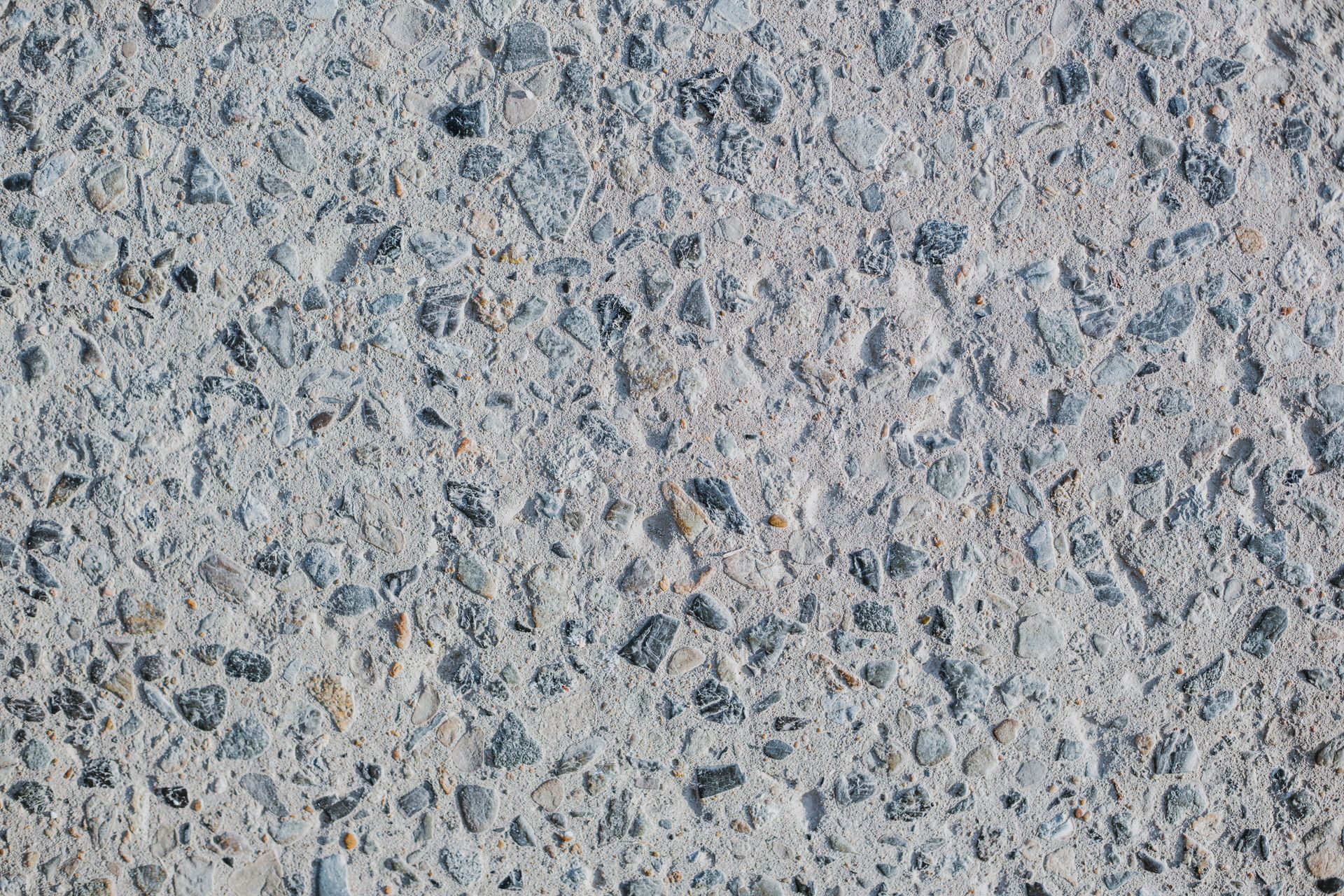
The long waiting period of the concrete drying
By Grant Cool December 30, 2025
You have spent the weekend forming, pouring, and finishing your new concrete patio. The surface is smooth, the edges are perfect, and you are already picturing summer barbecues on your brand-new slab. Now comes the hardest part: waiting. But what exactly are you waiting for? How long until you can walk on it, place furniture, or park your car on it? This waiting period is one of the most misunderstood aspects of working with concrete. The questions surrounding it are crucial, as acting too soon can permanently damage your hard work. At Liberty Concrete, we believe that an informed customer is a successful one. We do more than just supply high-quality concrete; we provide the expert guidance you need to understand the critical process of how concrete gains its strength, ensuring your project is a lasting success. Drying vs. Curing: The Critical Difference The first and most important concept to understand is that concrete does not "dry" like paint. It cures. This isn't just a matter of semantics; it is a fundamental chemical process that defines the material's final strength and durability. Drying is the process of water evaporating from a surface. If concrete simply dried out, it would become weak and brittle. Curing is a chemical reaction called hydration. During hydration, the water in the mix reacts with the cement particles, forming crystalline bonds. These bonds interlock and grow, creating the incredibly dense and strong matrix that gives concrete its power. For concrete to reach its maximum potential strength, it must retain enough moisture for the hydration process to continue. Curing is not about getting the water out; it is about keeping the water in for as long as needed. This is why you will often see professionals covering new concrete with plastic sheeting or spraying it with water—they are actively managing the curing process. How Long Does It Take? The Concrete Curing Timeline While there is no single magic number, concrete curing follows a generally accepted timeline. Understanding this schedule is key to knowing when your new slab can handle different types of use. 24 to 48 Hours: Initial Set. After this period, the concrete is typically hard enough to be walked on carefully. It is still very "green" and susceptible to damage, scuffing, or staining. This is a critical time to protect the surface from pets, children, and heavy objects. 7 Days: Significant Strength. After about a week, the concrete will have reached approximately 70% of its final specified compressive strength. For a new driveway, this is the absolute minimum time you should wait before driving a passenger vehicle on it. 28 Days: Full Cure (Mostly). The industry standard for concrete to reach its designed strength (e.g., 4,000 PSI) is 28 days. At this point, the hydration process has slowed dramatically. For most practical purposes, the concrete is considered fully cured and can handle its intended load, including heavy trucks or placing large structures like sheds on a slab. It is important to remember that hydration never truly stops. Concrete will continue to cure and get infinitesimally stronger for years, as long as moisture and unhydrated cement particles are present. However, the 28-day mark is the benchmark for performance. Factors That Influence Curing Time A 28-day timeline is a guideline, not a guarantee. Several environmental and material factors can significantly speed up or slow down the curing process. The team at Liberty Concrete helps you account for these variables. 1. Temperature and Weather Temperature is the single biggest factor. The ideal temperature for concrete curing is between 50°F and 90°F (10°C to 32°C). Hot Weather: High temperatures accelerate the hydration process, but they also cause water to evaporate too quickly. If the surface dries out before it can cure, it can lead to "plastic shrinkage cracks" and a weaker surface. Cold Weather: Below 50°F, hydration slows down considerably. Below 40°F (4°C), the reaction practically stops. If the water in the mix freezes, it can expand and permanently damage the concrete's internal structure. 2. Humidity High humidity slows down surface evaporation, which is actually good for curing as it helps keep the necessary moisture inside the slab. Low humidity, common in dry or windy conditions, can wick moisture away too quickly, requiring you to take extra steps to protect the surface. 3. Concrete Mix Design The type of mix you use matters. High-strength mixes may reach their design strength faster. Mixes with certain admixtures, like accelerators or retarders, are specifically designed to speed up or slow down the set time to accommodate specific project or weather conditions. Liberty Concrete can help you choose the right mix for your timeline and environment. 4. Slab Size and Dimensions A massive, thick industrial slab will cure differently than a thin 4-inch patio. The surface-area-to-volume ratio affects how quickly moisture can escape. How Liberty Concrete Guides Your Project Navigating these factors can seem complex, but you do not have to do it alone. At Liberty Concrete, we act as your project partners, providing practical advice tailored to your specific situation. Expert Advice for Common Projects We help you apply curing principles to real-world scenarios: Patios and Walkways: We will advise you on the 24-48 hour rule for foot traffic and help you understand when it is safe to place heavy patio furniture or grills (typically after 7 days). Driveways: This is a high-stakes project. We stress the 7-day minimum for passenger cars and explain why you should wait the full 28 days before parking a heavy work truck, RV, or boat on your new investment. Foundations and Footings: For slabs that will bear structural loads, we help you and your contractor understand the timeline needed before framing or construction can safely begin. Curing Techniques and Materials We provide not just the concrete, but the know-how to cure it properly. We can advise you on the best methods for your project, whether it is using curing compounds that form a protective film, covering the slab with plastic sheeting, or periodic watering with a sprinkler. Your Partner for a Strong Finish Your concrete project is a significant investment of time, money, and effort. The final, critical step of allowing it to cure properly is what ensures that investment pays off for decades to come. Rushing the process is a recipe for disappointment and potential failure. At Liberty Concrete, we are committed to seeing your project through to a successful conclusion. We provide the high-quality materials and the expert guidance you need to understand and manage the concrete curing process effectively. Have questions about your next concrete project? Contact Liberty Concrete today for expert advice on materials, calculations, and proper curing techniques! Meta Information Meta Title: Concrete Curing Time: A Guide | Liberty Concrete Meta Description: How long does concrete take to cure? Learn the difference between drying and curing, key timelines, and expert tips from Liberty Concrete.
Pros and cons of concrete flooring
By Grant Cool December 17, 2025
Concrete floors have stepped out of the garage and into the living room, becoming one of the most sought-after flooring materials in modern home design. Prized for their sleek, industrial-chic aesthetic and incredible durability, they offer a unique alternative to traditional options like hardwood, tile, and carpet. But is a concrete floor the right choice for your home or project? While the benefits are compelling, there are also important considerations to weigh, from comfort and cost to installation complexity. Making the right decision requires a balanced view of both the advantages and the potential drawbacks. At Liberty Concrete, we believe an informed client is a happy client. We don't just sell products; we provide the expert guidance needed to help homeowners and contractors determine if concrete flooring is the perfect fit for their space and lifestyle. The Pros: Why People Love Concrete Floors The growing popularity of concrete floors is no accident. They offer a powerful combination of longevity, style, and practicality that is hard to match. Pro 1: Unmatched Durability This is concrete’s superstar quality. A properly installed and sealed concrete floor is one of the most durable surfaces you can put in a home. It is incredibly resistant to the daily abuse that would ruin other flooring types. Heavy foot traffic, pet claws, dropped toys, and rolling furniture are no match for its tough surface. Unlike wood that scratches or carpet that stains, a concrete floor can look great for decades with minimal fuss, making it a true lifetime flooring solution. Pro 2: Low Maintenance and Easy Cleaning Maintaining a concrete floor is remarkably simple. Because it’s a hard, non-porous surface (when sealed), it doesn’t trap dust, dirt, pet dander, or other allergens. This makes it an excellent choice for families with allergies or asthma, as it contributes to better indoor air quality. Cleaning requires nothing more than a regular sweep with a dust mop and an occasional wipe-down with a neutral-pH cleaner. There’s no need for expensive waxes, shampoos, or specialized treatments. Pro 3: Endless Design Versatility The idea that concrete is just a boring gray slab is a thing of the past. Today’s decorative concrete techniques offer a limitless design palette. At Liberty Concrete, we can guide you through a variety of finishes: Staining: Acid or water-based stains penetrate the concrete to create rich, translucent color, mimicking the look of natural stone or marble. Polishing: A multi-step grinding process can bring the floor to a high-gloss, reflective sheen for a sleek, contemporary look. Epoxy Coatings: Perfect for garages or basements, epoxy creates a seamless, durable, and colorful surface that is resistant to chemicals and impacts. Overlays: A thin layer of polymer-modified cement can be applied over an existing slab to create a fresh canvas for stamping, texturing, or coloring. Pro 4: An Eco-Friendly Choice In many homes, a concrete slab already exists as the subfloor beneath carpet or tile. By choosing to finish this existing slab, you are using a material that is already there, reducing the need for new materials and minimizing waste. Concrete is also energy-efficient. Its high thermal mass allows it to absorb and radiate heat, which can help regulate indoor temperatures and lower energy bills. It is also the ideal surface for radiant in-floor heating systems. The Cons: What to Consider Before You Commit Despite its many advantages, concrete flooring isn't the right fit for every situation. It’s crucial to understand the potential downsides before moving forward. Con 1: Hardness and Comfort There’s no getting around it—concrete is hard. It offers no give underfoot, which some people find uncomfortable to stand on for long periods, particularly in kitchens where you spend a lot of time on your feet. The hardness also means that dropped items, like glassware or ceramic plates, are almost certain to break. For families with toddlers or elderly residents, the unforgiving surface can be a concern for falls. This hardness can often be mitigated with strategically placed area rugs and runners. Con 2: Potential for Cracking Concrete is a natural material that can expand, contract, and settle over time, which may lead to cracking. While control joints are cut into the slab to guide where these cracks occur, random hairline cracks can still appear. Some people embrace these imperfections as part of the floor’s industrial character, but for others, it can be an aesthetic issue. The team at Liberty Concrete can discuss reinforcement options and proper subgrade preparation to minimize this risk. Con 3: Cold and Moisture Concerns Concrete can feel cold to the touch, especially in winter. While its thermal mass is great for retaining heat, it can also feel chilly underfoot without a heat source. This is another reason why area rugs are popular additions. Additionally, if the concrete slab is not properly sealed or if a moisture barrier wasn't installed underneath, it can be prone to moisture transmission from the ground. This can lead to a damp feeling or even damage to items placed directly on the floor. Proper moisture testing and sealing are non-negotiable steps. Con 4: Initial Installation and Cost While finishing an existing slab can be cost-effective, the process is labor-intensive and requires specialized equipment. The cost of professional grinding, polishing, staining, and sealing can be comparable to, or even exceed, the cost of high-end tile or hardwood installation. It’s not a simple DIY project for the inexperienced, as mistakes in surface preparation or sealer application can be difficult and expensive to fix. How Liberty Concrete Helps You Decide Navigating these pros and cons requires expert guidance. At Liberty Concrete, we see our role as consultants, not just suppliers. We empower you to make an informed decision that you’ll be happy with for years to come. Honest and Expert Consultation We’ll sit down with you to discuss your project, lifestyle, and aesthetic goals. We ask the important questions: Is this for a high-traffic family room or a quiet home office? Are you concerned about comfort for young children? What is your budget? Based on your answers, we provide an honest assessment of whether concrete is the right choice. Professional-Grade Materials and Tools If you decide to move forward, we provide access to the best materials in the industry. From high-performance sealers and vibrant stains to durable epoxy coatings and professional-grade grinders, we equip contractors and skilled DIYers with the resources needed to achieve a flawless, long-lasting finish. Technical Support and Guidance Achieving a beautiful concrete floor is a science. Our team has the technical knowledge to guide you or your contractor through the critical steps, including surface preparation, crack repair, moisture mitigation, and proper application techniques. We’re here to ensure the job is done right the first time. Is a Concrete Floor Right for You? Concrete floors offer a unique combination of industrial strength and modern elegance. By carefully weighing the pros and cons, you can decide if this versatile material aligns with your vision and practical needs. With Liberty Concrete as your partner, you have access to the expertise and resources to make that decision with confidence. Ready to explore the potential of concrete floors for your space? Contact Liberty Concrete today for a professional consultation and expert advice! Meta Information Meta Title: Pros and Cons of Concrete Floors | Liberty Concrete Meta Description: Is a concrete floor right for you? Weigh the benefits like durability and style against drawbacks like hardness with this expert guide from Liberty Concrete.
winter projects made possible with Liberty Concrete
By Grant Cool December 15, 2025
When cold weather arrives, it’s common for homeowners and contractors to press pause on construction plans. The assumption is that concrete work is strictly a warm-weather activity. While pouring a large outdoor slab in freezing temperatures certainly requires special considerations, the winter season is far from a complete standstill. In fact, it presents a unique set of opportunities for specific types of concrete projects. Understanding the advantages and disadvantages of winter concrete work is key to making this season productive. With the right planning and expertise, you can get a significant head start on your goals, turning the typical slowdown into a strategic advantage. At Liberty Concrete, we specialize in helping our clients navigate the seasonal challenges, providing the materials, tools, and guidance to make your winter projects a success. The Pros: Why Winter is a Smart Time for Concrete Work While the cold presents challenges, it also offers distinct benefits for those willing to plan ahead. By shifting your focus and strategy, you can leverage the winter months to your advantage. Pro 1: Increased Contractor Availability The spring and summer months are the peak season for construction. Contractors are often booked solid, leading to long wait times and less scheduling flexibility. In the winter, demand slows down considerably. This means you are more likely to secure your preferred contractor, start your project sooner, and receive more dedicated attention. This increased availability can lead to a smoother, more efficient project experience. Pro 2: Perfect Conditions for Indoor Projects Winter is the ideal time to turn your attention to indoor spaces. Areas like basements and garages are protected from the elements, allowing for work to proceed without weather-related delays. The climate inside can be controlled with heaters, ensuring that materials like epoxies, sealers, and overlays cure at the optimal temperature for maximum durability. This is a perfect opportunity to tackle projects that might get overlooked during the busy summer months. Consider upgrading your garage with a chemical-resistant epoxy coating or transforming your basement floor with a decorative stain or polish. These projects not only enhance your living space but can be completed from start to finish during the winter. Pro 3: Get a Head Start on Spring One of the biggest advantages of winter work is the ability to prepare for major outdoor projects. When the spring thaw arrives, everyone rushes to get on a contractor’s schedule. By completing all the prep work during the winter, you can jump to the front of the line. Tasks like finalizing project designs, securing permits, excavating the area, building forms, and laying the gravel sub-base can often be done during milder winter days. When the weather is finally right for pouring, you'll be ready to go, while others are just starting their planning. This strategic head start means you’ll be enjoying your new patio or driveway much earlier in the season. The Cons: Navigating the Challenges of Winter Concrete Of course, working with concrete in the cold comes with inherent challenges. These obstacles are not insurmountable, but they require professional knowledge and specialized techniques to overcome. Con 1: The Science of Cold-Weather Curing Concrete cures through a chemical reaction called hydration, where water reacts with the cement particles. This reaction generates heat and is highly sensitive to temperature. In cold weather, hydration slows down dramatically. If freshly poured concrete freezes, the water inside expands, destroying the internal structure and resulting in a weak, brittle slab that is prone to cracking and spalling. Protecting new concrete from freezing is non-negotiable. This requires special measures such as using insulating blankets, heated enclosures, and sometimes even chemical accelerators in the mix. Liberty Concrete can provide guidance on these essential techniques to ensure your pour is successful. Con 2: Limited Outdoor Workability While prep work is often feasible, pouring large exterior slabs like driveways or patios can be risky if temperatures are consistently below freezing. The ground itself can be frozen, which can cause cracking and settling issues when it thaws. Even if the pour is successful, the finishing process is more difficult in the cold, as the surface sets up much more slowly. For these reasons, many large-scale outdoor pours are best postponed until spring. Con 3: Shorter Days and Potential Delays Winter means shorter daylight hours, which can limit the time available for outdoor work each day. This can extend the overall project timeline. Furthermore, severe weather like heavy snow or ice storms can bring work to a complete halt, causing unexpected delays in material deliveries and on-site progress. Flexibility and a backup plan are essential when scheduling winter projects. How Liberty Concrete Makes Winter Projects Work Navigating the pros and cons of winter concrete requires a knowledgeable partner. At Liberty Concrete, we provide the resources and expertise to help you make the most of the season while avoiding the pitfalls. Expert Guidance and Planning We can help you identify which projects are best suited for winter and which should wait. Our team provides expert advice on scheduling, cold-weather protection techniques, and the right materials for the job, ensuring you have a solid plan from the start. High-Performance Materials We offer specialized concrete mixes and additives designed for colder temperatures. This includes accelerators that speed up the curing process and reduce the risk of freezing. For indoor projects, we supply professional-grade epoxies, stains, and sealers that deliver a durable, high-quality finish. The Right Tools for Protection Successfully pouring concrete in the cold requires more than just the right mix. We can guide you on the essential protective equipment, such as high-R-value insulating blankets that trap the concrete’s natural heat of hydration and keep the surface at a safe temperature. Turn Winter Into Your Most Productive Season Don't let the calendar dictate your home improvement timeline. By understanding the unique opportunities and challenges of the season, you can make significant progress on your concrete projects. Whether you're transforming an indoor space or strategically preparing for a spring installation, winter can be a highly productive time. With Liberty Concrete as your partner, you can confidently tackle your winter projects, knowing you have the right advice, materials, and support to achieve lasting, professional results. Ready to plan your winter concrete project? Contact Liberty Concrete today for expert advice and to learn how we can help you get started! Meta Information Meta Title: Pros and Cons of Winter Concrete Projects | Liberty Concrete Meta Description: Is winter a good time for concrete work? Discover the benefits and challenges of tackling concrete projects in the cold with expert tips from Liberty Concrete.